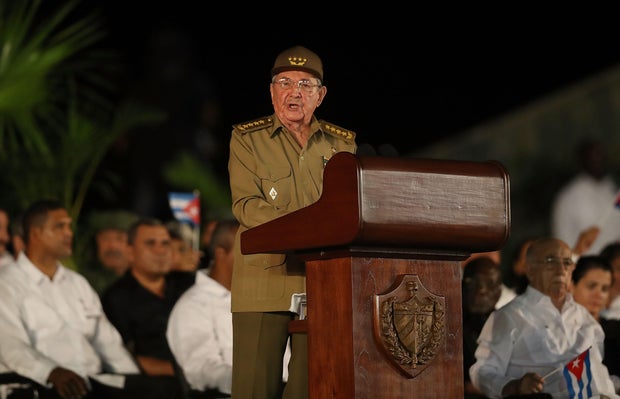
Following the removal of Nicolás Maduro from power in Venezuela, the Trump administration has hinted at possible actions in Cuba. President Trump has publicly stated that “Cuba’s going to be next” and has discussed “taking Cuba in some form.” For decades, U.S. administrations have struggled to alter Cuba’s communist system. Despite imposing sanctions, significant changes have been elusive as Cuba’s economy has deteriorated.
After Maduro’s ouster, the Trump administration imposed a virtual oil blockade on Cuba, exacerbating living conditions. U.S. officials have engaged with key Cuban figures in pursuit of economic and political reforms.
Raúl Castro
Raúl Castro, the younger brother of Fidel Castro, remains influential in Cuba despite stepping down as president in 2018 and as Communist Party leader in 2021. He faces U.S. indictments related to the 1996 downing of two planes operated by the Brothers to the Rescue exile group. The charges include murder and conspiracy. Raúl Castro served under Fidel Castro, leading the armed forces and eventually succeeding his brother in presidential and party roles. His pragmatic approach led to improved relations with the U.S. during President Obama’s tenure, although these changes were reversed under Trump.
Miguel Díaz-Canel
Miguel Díaz-Canel became Cuba’s president in 2018 and leads its Communist Party. His term is set until 2028. Raúl Castro, his predecessor, recommended him for the role. The Trump administration doubts he can bring about desired changes.
Díaz-Canel emphasizes discussing differences and potential resolutions with the U.S. He counters Trump’s military takeover threats by asserting Cuba’s capacity to defeat such attempts. Analysts consider him a loyalist rather than a power figure on the island.
Oscar Pérez-Oliva Fraga
Oscar Pérez-Oliva Fraga, a great-nephew of the Castro brothers, holds positions as deputy prime minister and trade minister. His appointment to the National Assembly potentially enables him to assume the presidency legally. He introduced policies allowing diaspora Cubans to invest in Cuba, marking a shift from past regimes that labeled emigrants as “worms.” Pérez-Oliva Fraga manages GAESA, a conglomerate controlling significant portions of Cuba’s economy. The U.S. State Department estimates GAESA’s revenue surpasses government budgets and views it as benefiting elites.
Raúl Guillermo Rodríguez Castro
Raúl Guillermo Rodríguez Castro, Raúl Castro’s grandson, plays a behind-the-scenes role as his grandfather’s advisor and bodyguard. He has facilitated meetings between U.S. and Cuban officials. His interactions with Secretary of State Marco Rubio hint at potential negotiations.
Potential for Change in Cuba
The Trump administration’s actions in Venezuela provide a possible model for Cuba, but identifying an interim leader similar to Delcy Rodríguez in Venezuela is challenging. Oscar Pérez-Oliva Fraga might represent a potential figure, but analysts see no direct comparison. American University professor William LeoGrande predicts resistance from Cuba regarding U.S. influence over its political system.
Efforts to negotiate an agreement may hit obstacles as Cuban leaders emphasize national sovereignty. They remain willing to discuss economic matters but resist external influence on their political structure. This stance likely hinders reaching a comprehensive agreement.
 Twitch Streamer Hasan Piker Discusses Controversial Commentary
  A Shifting Political Landscape: The Decline of Autocratic Power
  Trump Delivers Warning to Iran, Cuba at UN General Assembly
 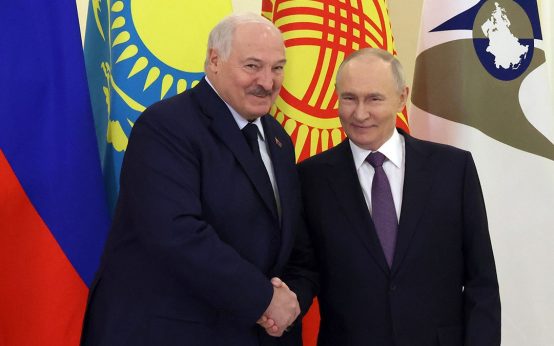 Lukashenko and Putin’s Unique Relationship and Belarus’ Strategic Role
 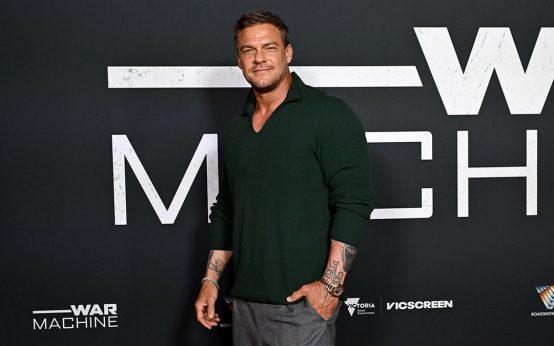 Alan Ritchson Faces Backlash Over Political Remarks
 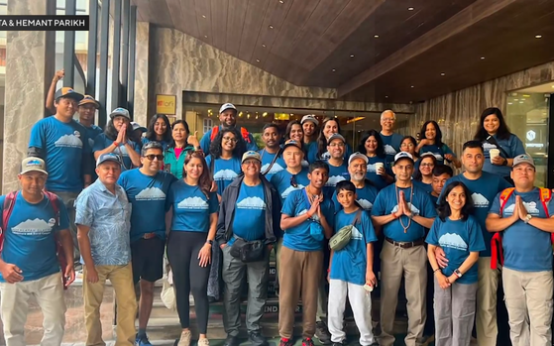 Himalayan Pilgrimage: A Couple’s Narrow Escape and Lingering Questions