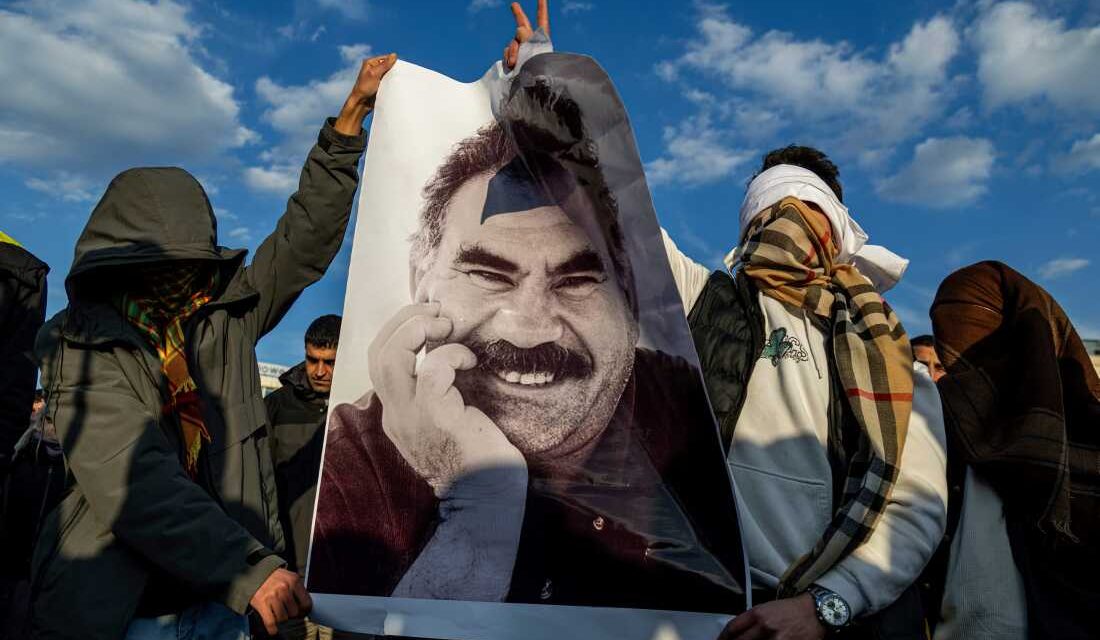
Ankara, Turkey — Turkey’s parliament has endorsed new legislation offering a conditional pardon to thousands of Kurdish militants as part of the government’s peace initiative with their group, the PKK. The bill, approved by a vote of 468 to 88, will activate only when Turkish authorities confirm the disarmament of the Kurdistan Workers’ Party.
The PKK, led by Abdullah Ocalan who is currently imprisoned, ceased its long-standing armed campaign against the Turkish state last year. In response to Ocalan’s call, the PKK organized a symbolic disarmament ceremony in northern Iraq and started withdrawing fighters from significant locations in Turkey to Iraq.
Potential Regional Impact
This legislation aims to resolve a conflict that has cost tens of thousands of lives and may strengthen Turkish-Iraqi relations. Additionally, it could assist the Syrian government in integrating regions previously controlled by the Kurdish-led Syrian Democratic Forces, associated with the PKK.
For Turkish President Recep Tayyip Erdogan, this development opens the possibility to gain support from the pro-Kurdish DEM party, aiding him in surpassing the presidential two-term limit, potentially through an early election.
Details of the Legislation
The law, comprising 12 articles, outlines procedures for PKK disarmament and rehabilitation. It includes suspending some prison sentences and postponing investigations and trials for five to ten years, depending on offense severity. Cases without new terror-related activities during this period will be dismissed.
Exemptions apply to those convicted of intentional killings and life sentences before 2005, including Ocalan and other senior PKK figures. The law establishes committees to monitor the disarmament process, activating post-confirmation of disarmament by Turkey’s National Security Council. Applications for the law’s benefits must occur within six months after the council’s decision.
Exiled PKK members, particularly those in Iraq and Syria, stand to benefit from these provisions. “With the PKK disbanding and relinquishing arms, a new era of peace will emerge,” stated Parliament Speaker Numan Kurtulmus.
PKK’s Response
The PKK-linked ANF news outlet remarked on the legislation as a “beginning,” yet acknowledged significant shortcomings. The group emphasized the need for Ocalan’s release, indicating that the peace process hinges on his freedom. They also highlighted unaddressed democratic reforms and Kurdish rights, asserting that fighters would not return to Turkey if democratic participation and freedom of thought remain restricted.
Gulistan Kilic Kocyigit of the pro-Kurdish DEM party noted, “Turkey’s people now have the chance to consolidate peace and foster democracy, though the proposal has deficiencies we must address.” She called for increased Kurdish rights and democratic reforms.
Political Angle
Musavat Dervisoglu, leader of the nationalist Good Party, criticized the bill as a maneuver to extend Erdogan’s tenure. While reports suggest potential improvements to Ocalan’s prison conditions, including expanded visitation rights, the current proposal does not discuss his release.
The PKK’s insurgency, initiated in 1984, led to massive loss of life and extended conflict into Iraq and Syria. The PKK has been labeled a terrorist organization by Turkey, the U.S., and EU. Although initially aiming for an independent Kurdish state, the group now seeks autonomy and expanded rights in Turkey. Turbulent history marks previous peace attempts, notably failing in 2015.
 Trump’s Strategy on Iran: Economic Sanctions Amid Military Stalemate
  Security Concerns Prompt Secret Aircraft Switch for President Trump Amid Tensions with Iran
  Taylor Swift’s Songs Removed from Political TikTok Posts
  Controversy Surrounds ‘Pod Save America’ Over Deleted Clip
  New York Judge Halts Controversial Tax Rollout by NYC Mayor
  Massachusetts Expands Abortion Access With New Legislation