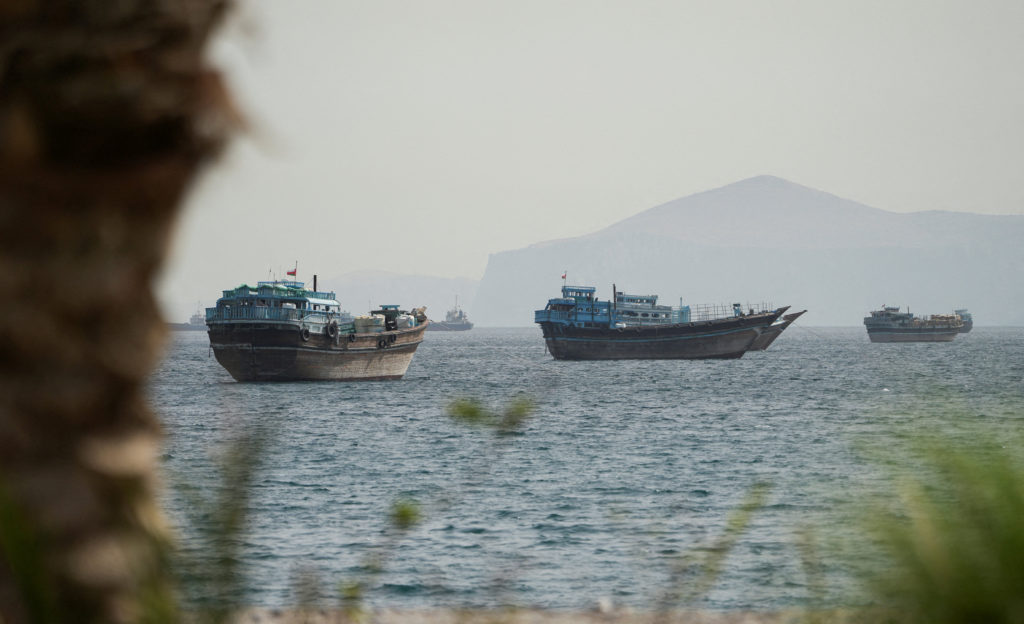
The United States and Iran may soon finalize a deal to end the ongoing war and reopen the Strait of Hormuz. President Donald Trump expressed that negotiations are “proceeding nicely,” but cautioned that hostilities could resume if an agreement is not reached. The specific timeline and details of the deal remain uncertain.
President Trump engaged with several allies in the Middle East, including Israel, over the weekend. Information comes from two regional officials and a U.S. official who spoke on condition of anonymity due to the delicate nature of the talks. An Iranian delegation, led by parliament speaker Mohammad Bagher Qalibaf, traveled to Qatar in connection with the negotiations, though the agenda remains undisclosed. Earlier, Qalibaf held significant talks with Vice President JD Vance in Pakistan.
The War’s Potential End
In the past 12 weeks, following U.S. and Israeli attacks killing Iran’s Supreme Leader Ayatollah Ali Khamenei and others, Tehran has emphasized that any deal must address ceasing all combat operations. This includes Lebanon, where Iranian-backed Hezbollah has clashed with Israel. A tenuous ceasefire has held since April 7, easing fears across a region affected by Iranian missile and drone attacks.
The reopening of the Strait of Hormuz would restore the flow of global shipping, including 20% of the world’s oil. It would also allow for repairing regional energy and other infrastructure.
Regional officials indicated the draft deal would terminate hostilities between Israel and Hezbollah and ensure non-interference in the internal affairs of regional countries. Iran’s involvement with proxies like Yemen’s Houthi rebels and Gaza’s Hamas is a focal point. The U.S. aims for Israel to maintain self-defense capabilities against threats in Lebanon, a stance Iran opposes. Meanwhile, the draft would affirm Israel’s rights to confront imminent threats.
Gradual Reopening of the Strait of Hormuz
Vessels sail through the Strait of Hormuz, Musandam, Oman, on May 22, 2026. Photo by Stringer/Reuters.
The U.S. and Israel initially sought to dismantle Iran’s nuclear and missile programs and halt its proxy support. However, Iran’s control over the Strait of Hormuz became a pressing global concern. International shipping stalled as hundreds of vessels carrying vital supplies were delayed.
The proposed agreement suggests a gradual reopening of the strait as the U.S. lifts its blockade of Iranian ports, in place since April 17. This blockade has strained Iran’s economy by limiting oil exports and restricting cash flow.
Sanctions relief and the release of frozen Iranian funds would be part of the negotiations, spanning 60 days. The U.S. might allow Iran to sell its oil under waivers.
Iran’s Nuclear Stockpile
Tensions have arisen from Iran’s nuclear program amid fears of weaponization. The U.S. and Israel previously considered military interventions to destroy Iran’s enriched uranium stockpile.
Under the likely deal, Iran would surrender its stockpile of highly enriched uranium. Details on the stockpile’s removal remain under discussion within a 60-day framework. Some uranium may be diluted or transferred to a third country. Russia has offered to assist.
A U.S. official confirmed the 60-day framework and stated no sanctions relief would occur if Iran fails to comply. The International Atomic Energy Agency notes Iran possesses 440.9 kilograms of uranium enriched to nearly weapons-grade levels.
Iran claims a right to nuclear technology for peaceful purposes. President Masoud Pezeshkian stated on state television the country’s willingness to demonstrate it is not pursuing nuclear weapons.
Unresolved Issues
President Trump meets Israeli PM Netanyahu at Trump’s Mar-a-Lago club, in Palm Beach. Photo by Reuters.
President Trump commented on social media that negotiations with Iran are progressing well. Yet, several key matters remain unresolved. These include Iran’s uranium enrichment capacity and its missile program, which Israel considers vital threats.
While the U.S. and Israel initiated the war hoping for Iranian uprisings against their government, leadership changes in Tehran appear not to be under discussion. Initially stated Iranian negotiating points like U.S. force withdrawal or reparations for war damages are absent.
Superville reported from Washington and Anna from Lowville, New York.
A healthy democracy relies on a free press. Support credible journalism and respectful exchanges.
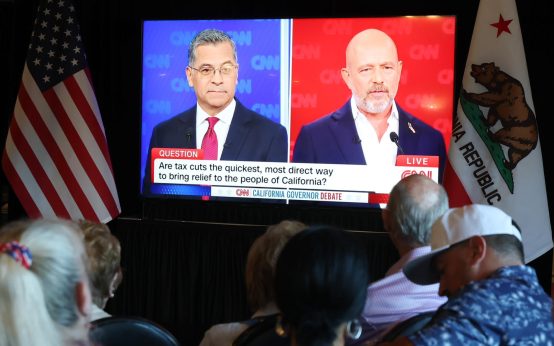 California Governor Debate: Xavier Becerra vs. Steve Hilton
 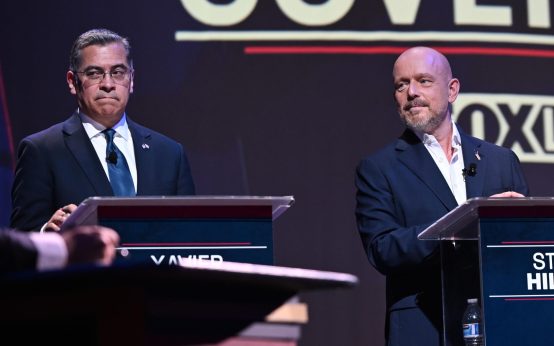 Becerra and Hilton Clash in California Gubernatorial Debate
  California Gubernatorial Debate Highlights Becerra vs. Hilton
  California to Vote on $7.5 Billion Scientific Research Fund
 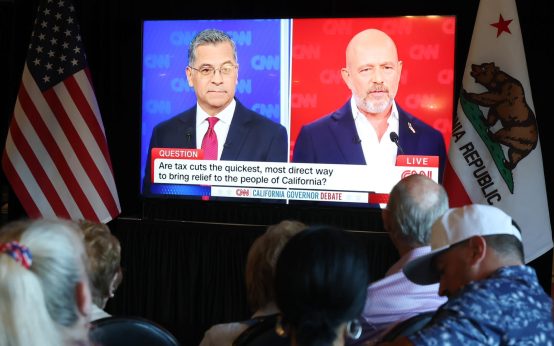 California Gubernatorial Debate: Becerra and Hilton’s Clash Highlights Key Issues
 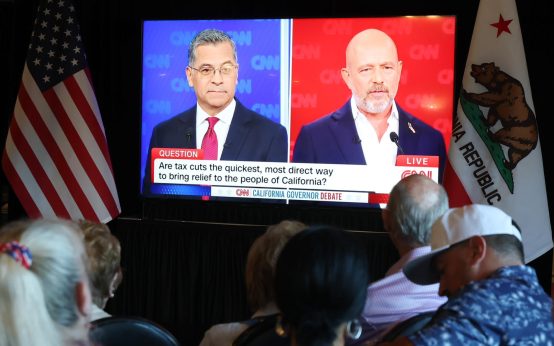 California Gubernatorial Debate: Becerra vs. Hilton