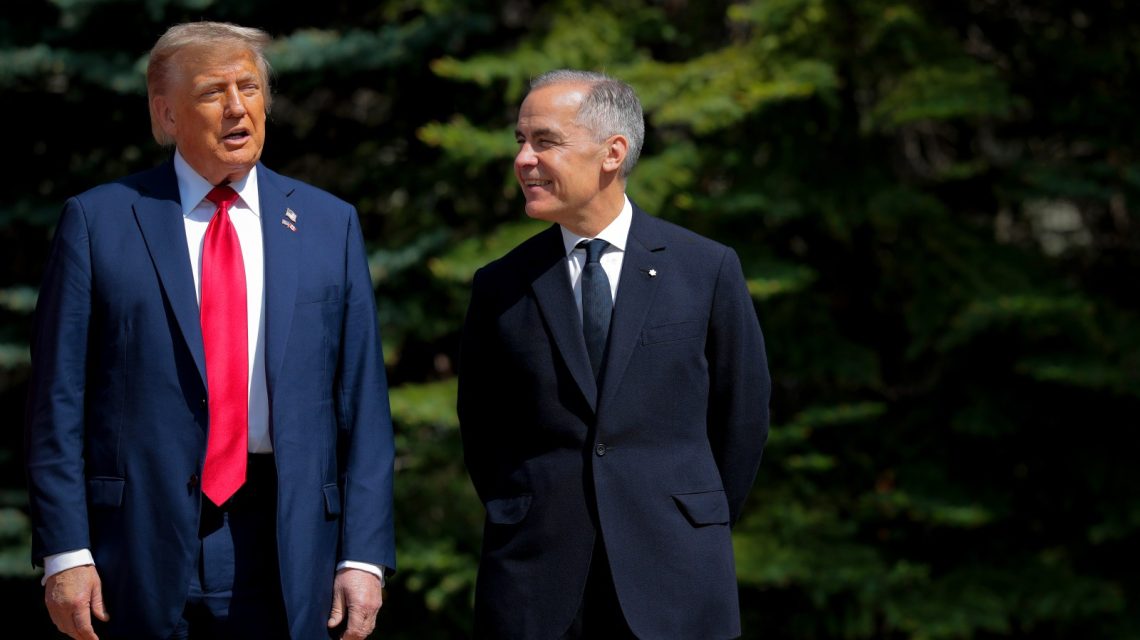
U.S.-Canada Labor Day Messages Highlight Contrasts
On Labor Day, President Donald Trump and Canadian Prime Minister Mark Carney presented differing views. Trump used the occasion to criticize Democrats, while Carney addressed ongoing trade issues with the U.S.
Canada’s new counter-tariffs, matching the Trump administration’s tariffs, come into effect. These counter-tariffs impact over 700 U.S. products, with some duties reaching 50%.
Trump’s handling of relations with Canada represents a significant shift from the traditionally cooperative partnership. His administration’s tariffs aim to revive U.S. manufacturing but have strained ties, with comments about making Canada the 51st state adding to tensions.
President Trump’s Labor Day Message
Trump shared a message on Truth Social, wishing a sarcastic Labor Day to critics and expressing confidence in upcoming political victories.
Prime Minister Carney’s Labor Day Address
Carney emphasized Canada’s commitment to supporting workers and countering U.S. tariffs. His statement highlighted efforts to recruit skilled tradespeople and invest in worker training.
The Role of Labor Day in the U.S.
Labor Day in the U.S. originated in the late 19th century as a means to advocate for workers’ rights, marking achievements in labor history. New York held the first Labor Day parade in 1882. Over time, it has evolved into a celebration marking the unofficial end of summer.
Tensions in U.S.-Canada Trade Relations
Recent trade talks between Washington and Ottawa failed following Canada’s rejection of U.S. demands perceived as unacceptable. This led to tariffs on $20 billion worth of Canadian goods and reciprocal tariffs from Canada.
Differences in negotiation accounts have exacerbated this issue. Carney suggested Canada was willing to remove tariffs on steel and aluminum if the U.S. made similar concessions. The U.S., however, required more from Canada, including changes in trade agreement terms and cultural protections.
Washington has justified tariffs under Section 338 of the Tariff Act of 1930 due to perceived discrimination against U.S. exports. The economic relationship between the U.S. and Canada is extensive, with significant trade affected by these tensions.
This disagreement impacts the broader United States-Mexico-Canada Agreement, complicating overall negotiations.
Controversy Over Renaming Lake Ontario
Following the breakdown of negotiations, Trump renamed Lake Ontario to “Lake America,” asserting that most of the lake’s volume is within U.S. territory. This decision created further tensions, though Trump denied sending a message to Canada with this action.
The renaming became official online, with platforms adopting “Lake America” for U.S. users. However, Canada continues to use the original name.
 Senator John Fetterman’s Voting Record and Allegations
 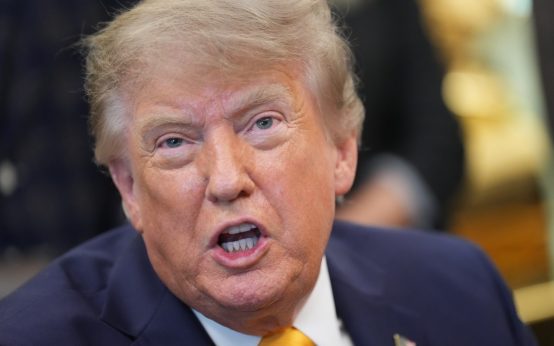 Trump’s Proposal to Rename New Mexico Sparks Criticism
 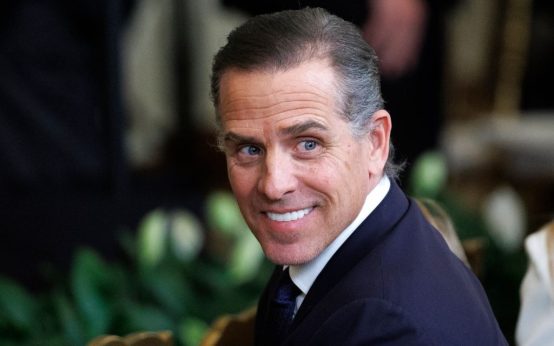 Hunter Biden Considers 2028 Presidential Run
  Anti-migrant protests disrupt traffic at Dover and Portsmouth ports
  Germany’s AfD Party Surges in Saxony-Anhalt Election
  Homeland Security’s New Strategy Against Terrorists and Cartels