
The United States has imposed 50% tariffs on $20 billion worth of Canadian products. This move came after failed negotiations, leading to increased strain in the historically close relations between the two nations. The tariffs, which took effect on Saturday, impact 5% of Canada’s annual exports to the U.S., covering items like hockey sticks and agricultural products.
Canada’s Prime Minister Mark Carney announced immediate retaliatory tariffs set to begin on September 8. These measures match the U.S. tariffs dollar for dollar. Carney stated that Canada is ready to lift tariffs on certain goods if the U.S. significantly reduces its own; however, current U.S. demands are deemed excessive.
U.S. and Iranian Tensions
The head of Iran’s security body threatened that Tehran would view support for new U.S. economic measures as an act of war. The Iranian Foreign Ministry added that Tehran will respond aggressively to expanded U.S. sanctions.
Amid these geopolitical tensions, a congressional report noted that U.S. President Donald Trump’s oil and gas stocks saw considerable gains. These rose by as much as $15 million during the conflict with Iran. The Joint Economic Committee found that Trump held $12.5 million to $45.6 million in oil and gas stocks in 2025. The portfolio’s value jumped to between $17.2 and $61.1 million, largely because of the Iran-related surge in oil and gas stock prices.
U.S. Trade Representative and Financial Stakes
U.S. Trade Representative Jamieson Greer minimized the impact of failed Canada trade talks, calling it a ‘tempest in a teapot.’ He emphasized that the tariffs affect a small portion of Canadian trade and an even smaller fraction of U.S. consumption.
Greer mentioned that the administration is preparing responses to Canada’s retaliatory threats but did not specify any measures.
Political Maneuvering in the U.S.
House Democratic Leader Hakeem Jeffries met with Jared Kushner, signaling potential collaboration if Democrats gain control in Congress. They discussed issues like housing and immigration amidst rising living costs, which Democrats attribute to Republican policies.
Iran’s Economic Hardship
Iran’s currency, the rial, reached a record low against the U.S. dollar. This economic downturn is partly due to existing and upcoming U.S. sanctions, exacerbating the country’s high inflation and negative growth rates. The war’s effects have driven basic goods’ prices significantly higher.
Despite these economic challenges, Iran has not yet experienced significant political backlash.
Canada’s Retaliatory Measures
Prime Minister Mark Carney has outlined Canada’s retaliation against U.S. tariffs, set to start on September 8. These will target a range of products, including steel, dairy, and electronics. Carney accused the U.S. of using economic tactics as weapons and expressed Canada’s ability to retaliate effectively.
The U.S. has committed to further measures in response to Canada’s actions. However, specific strategies remain unannounced.
Trade Dynamics and Future Implications
The new U.S. tariffs raise questions about the future of trade agreements like USMCA. These duties also affect goods previously exempt under past trade deals, highlighting a shift in policy.
Prime Minister Carney’s stance against economic coercion by powerful nations is tested by these tariffs. Canada’s response may illustrate how countries navigate decreased alliance protection and leverage economic ties as opposed to easing tensions.
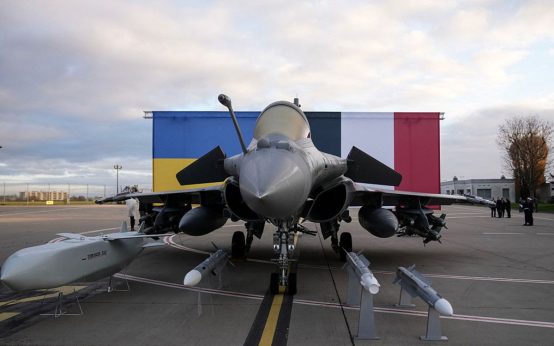 Ukraine Gains Access to European Military Technology
  Tropical Storm Moke Brings Heavy Rain to Hawaii After Hurricane Lala
 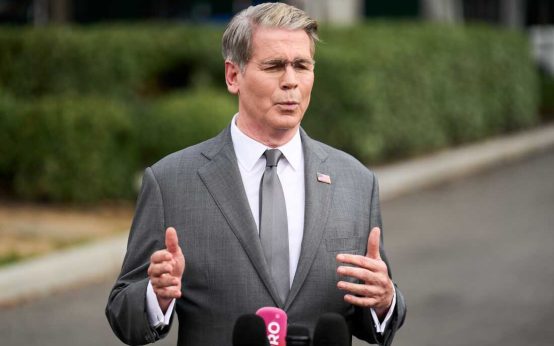 U.S. Plans New Economic Sanctions on Iran as Tensions Rise
 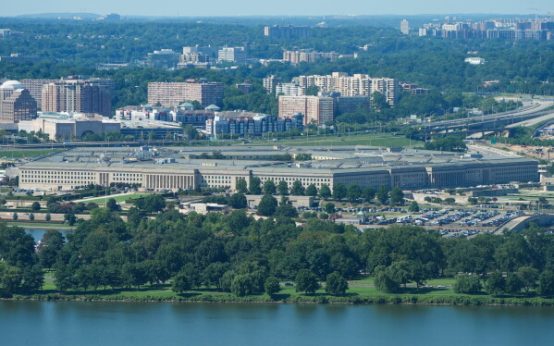 Iran’s Currency Plummets Amid Rising Tensions
 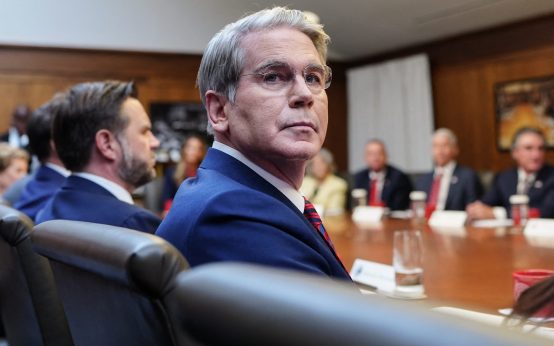 U.S. Economic Strategy Against Iran: An Imminent Financial Offensive
  U.S. Military’s Strike on Alleged Drug Trafficking Vessel in the Pacific