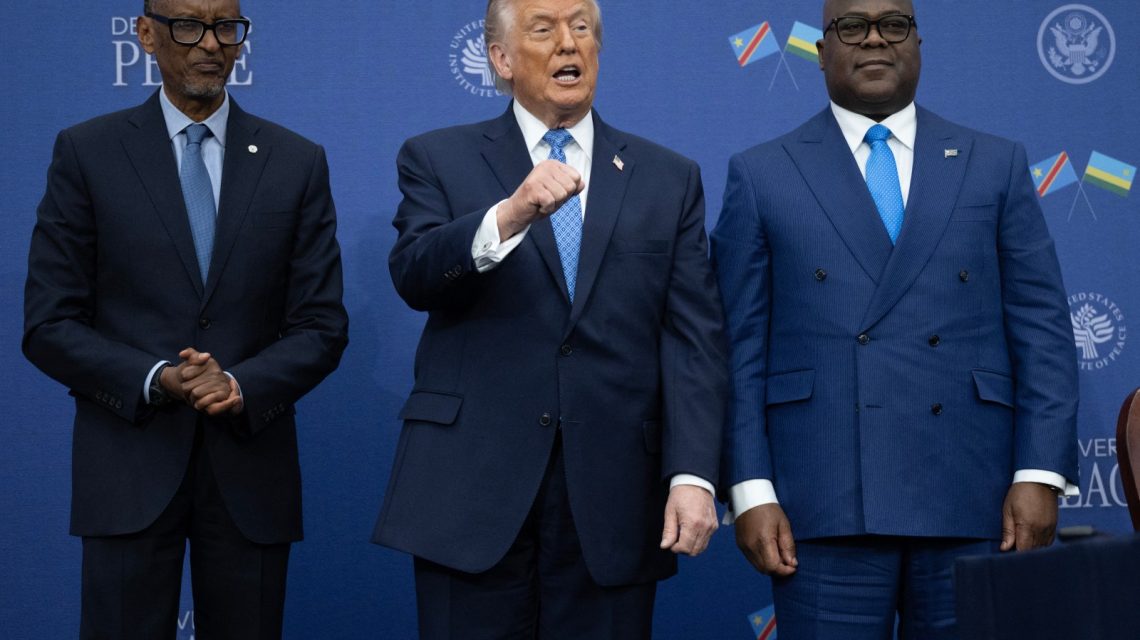
Nearly a year has passed since Congo and Rwanda signed a U.S.-backed peace agreement, yet efforts to ensure peace and prosperity in Africa’s Great Lakes region face obstacles. The Trump administration, aiming to solidify the Washington Peace Accords, needs to press its Congolese allies to meet their obligations.
The United States recently imposed significant measures against Rwanda and its ally, the M23, who attempted to capture Uvira, a major city in South Kivu province, undermining U.S. mediation efforts. This offensive occurred during a crucial meeting between President Donald Trump, Congolese President Félix Tshisekedi, and Rwandan President Paul Kagame aimed at finalizing the peace framework.
In response, the U.S. imposed sanctions and visa restrictions on Rwandan officials. In March, these actions intensified with additional sanctions on former Congolese President Joseph Kabila, citing his support for M23, and rumors suggest that Kagame was denied a visa to a Harvard University event. The Rwandan army became one of the few African national armies to face U.S. sanctions.
Tshisekedi and the Congolese government have gained favor with the Trump administration. Late last year, Congo signed a strategic partnership agreement with the United States, granting U.S. firms access to Congo’s Copperbelt region and redirecting mineral exports through U.S.-funded infrastructure. Congo also aligned with U.S. immigration policies, agreeing to accept U.S. deportees from Latin America and potentially the Middle East.
Despite these developments, Congo remains flawed as a peace partner. The Congolese army has intensified attacks against M23, involving drone and ground offensives that have sometimes resulted in civilian casualties. In negotiations mediated by Qatar, Kinshasa has been accused of stalling.
Crucially, Congo has not severed ties with nonstate armed groups. Senior army officials disrupt efforts to end support to militias like the Democratic Forces for the Liberation of Rwanda (FDLR), linked to the 1994 Rwandan genocide, which the government still collaborates with.
This lack of pressure on Congo could jeopardize the peace deal’s objectives and alienate important regional partners. Tshisekedi, viewing M23 as a military issue, may not negotiate earnestly if he feels supported by the U.S. This belief grows stronger with U.S. political and potential military backing.
On the Rwandan side, Kagame criticizes the U.S. approach for perceived bias. Punitive measures may feed perceptions in Kigali of a hostile international community. Without Rwanda’s cooperation, diplomatic or military measures against M23 might be ineffective.
The U.S. risks entanglement in Congo’s internal politics. Tshisekedi has used the ongoing conflict to justify constitutional changes and election delays. He frames opposition as allied with M23, threatening the U.S.-Congo partnership’s stability, especially in volatile conditions.
To maintain peace, the U.S. must apply pressure on Congo, beginning with the Washington Accords. The U.S. should urge the Congolese government to stop collaborating with the FDLR and take military actions to neutralize them. Considered sanctions on obstructing officials and withholding defense cooperation until compliance is achieved could be effective.
The Qatari-led negotiations, though separate, are intertwined with the Accords. The U.S. needs to discreetly encourage Kinshasa to negotiate earnestly and make necessary concessions regarding M23 territories. Simultaneously, the U.S. can aid Tshisekedi in managing any political fallout through the critical minerals partnership.
Securing peace and prosperity requires holding all parties accountable. The U.S.-backed agreement provides opportunities for Congo and Rwanda. While necessary pressure on Rwanda has been applied, attention must now focus on ensuring Congo’s compliance to uphold the peace established over the past year.
Liam Karr and Yale Ford, affiliated with the American Enterprise Institute, express their views in this article.
 Alan Ritchson Faces Backlash Over Political Remarks
 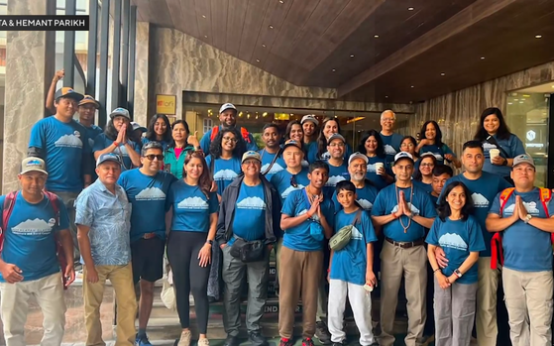 Himalayan Pilgrimage: A Couple’s Narrow Escape and Lingering Questions
  Former CEO Sentenced for Bank Fraud and Sanctions Evasion
 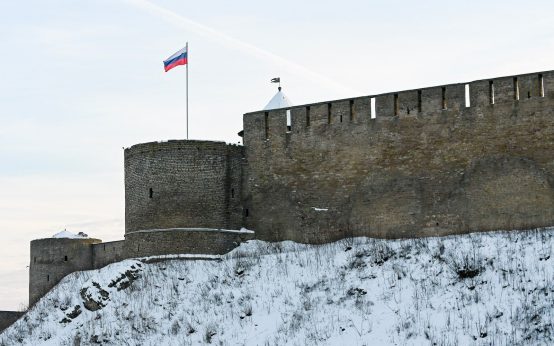 Russia’s Potential Incursion Into Estonia: NATO’s Resilience Under Scrutiny
  Senators Urge Action to Free Imprisoned Journalist in Iran
  Trump’s Address at UNGA and Key Political Developments