The United States will impose 25% tariffs on imports from Brazil starting July 22, following findings of unfair trade practices from the world’s 10th-largest economy. Senior officials from the Trump administration, speaking anonymously, revealed the decision ahead of an official notice scheduled for posting on Wednesday night.
The new tariffs will exclude certain goods that are not produced domestically or could disrupt supply chains. These include coffee, beef, oranges, orange juice, some oil and gas energy products, and aerospace parts and components.
“Whether it is punishing U.S. technology companies for refusing to censor political speech, backsliding on anti-corruption enforcement, or allowing Brazilian farmers to exploit illegally logged land to gain an advantage over American farmers, Brazil’s unfair trading practices have prevented U.S. workers and producers from accessing this important market with over 210 million consumers,” stated U.S. Trade Representative Jamieson Greer.
The administration’s approach is to strategically apply tariffs on goods that cannot be duplicated domestically and to avoid economic disruption. A yearlong investigation by the Office of the U.S. Trade Representative outlined several unfair practices by Brazil, such as lax anti-corruption enforcement and unfair tariffs. Despite these issues, the U.S. maintains a goods trade surplus with Brazil.
When the tariff proposal was announced in June, Brazilian President Luiz Inácio Lula da Silva expressed indignation. He attributed the decision to political motives, blaming his rival in the upcoming elections, Sen. Flávio Bolsonaro, who is the son of former President Jair Bolsonaro, a Trump ally. However, U.S. officials dismissed political influences, citing longstanding grievances that have been publicly aired.
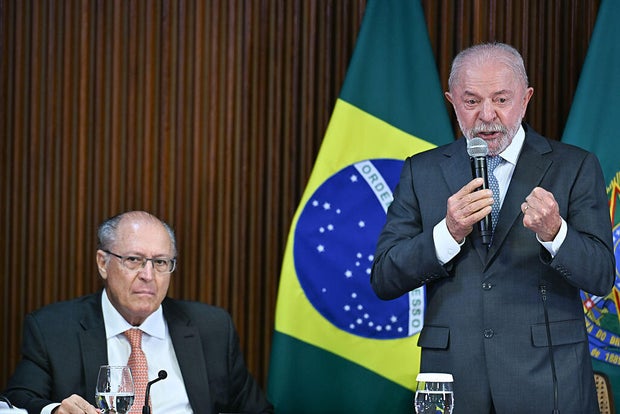
According to the officials, Brazil was provided time to address these concerns but had only initiated constructive discussions recently, with insufficient progress. On June 3, 2026, Brazil’s Vice President Geraldo Alckmin and President Lula da Silva were pictured during a ministerial meeting at Planalto Palace, highlighting ongoing diplomatic engagements.
The tariffs fall under Section 301 of the Trade Act of 1974, enabling the U.S. to investigate Brazil’s trading practices. The U.S. Supreme Court previously ruled against other tariffs imposed by Trump under the International Emergency Economic Powers Act of 1977, deeming them an overreach.
Trump initially used the 1977 act to impose a 50% tariff on Brazil, protesting Jair Bolsonaro’s prosecution for attempting to overturn a 2022 election result. His relationship with Lula improved when they met at the White House in May 2025. Meanwhile, November 2025 saw the lifting of 40% tariffs on Brazilian beef, coffee, and other goods, indicating progress in trade negotiations.
 British Security Agencies Tackle Plots Linked to Iran as Five London Men Arrested
  The Challenges Facing President Trump: Nuclear Weapons, Climate Change, and AI
 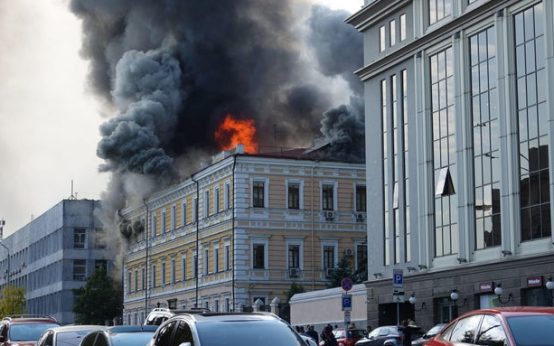 Escalating Conflict Between Russia and Ukraine Intensifies with New Attacks
 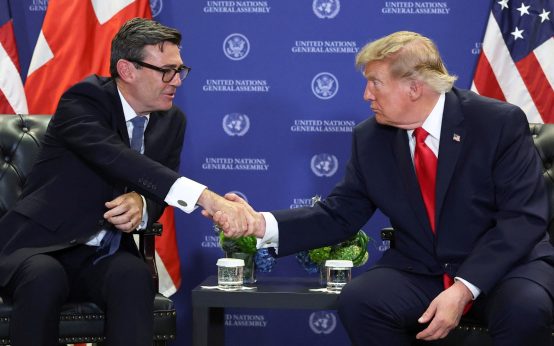 Farmers’ Alert Leads to Terror Plot Foil in England
 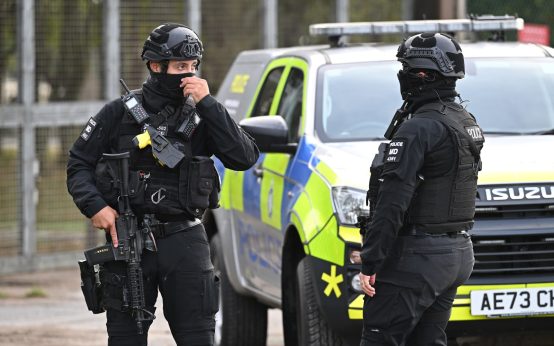 Foiled Terror Plot at U.S. Military Base Highlights Risks in the U.K.
  Ukraine’s Ongoing Battle Against Missile and Drone Threats