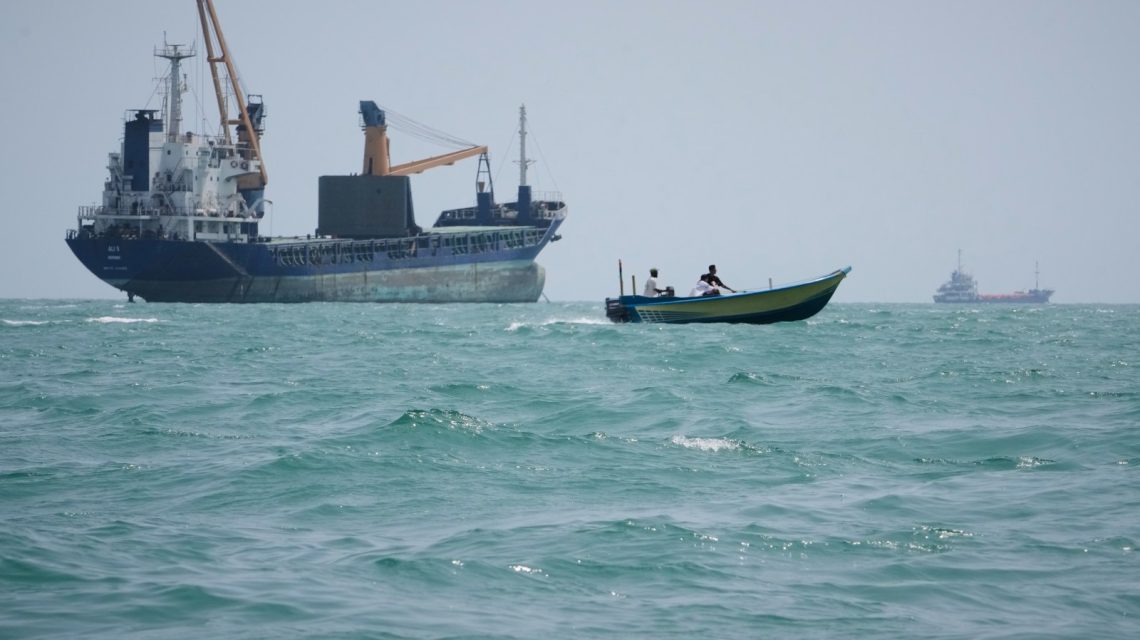
The U.S. Maritime Blockade Against Iran
The U.S. military reported diverting 100 commercial vessels over the past 60 days to enforce a maritime blockade of Iran. This effort highlights the tense security situation in the strategic Strait of Hormuz. U.S. Central Command (CENTCOM) stated that no ships have passed the blockade without U.S. authorization. American service members remain intensely focused on this mission.
This announcement underscores the scale of U.S. naval operations in the area. Diplomatic efforts to stabilize the waterway have stalled. Newsweek sought more information from CENTCOM regarding these rerouted vessels.
The conflict between the U.S. and Iran, which began in late February, has turned the Strait into a major global hotspot. This narrow passageway facilitates a large portion of global oil and natural gas transit. Any disruption threatens international energy markets and economic stability. CENTCOM’s report reflects the logistical and tactical efforts required to maintain maritime control in the ongoing confrontation.
Trump Administration’s Strategy
The blockade is part of the Trump administration’s broader strategy to apply maximum pressure on Tehran. This policy combines military action with economic sanctions aimed at limiting Iran’s oil exports and regional power.
Latest Developments in the Strait of Hormuz
According to Reuters, despite discussions with regional stakeholders, no formal agreement on shipping through the Strait of Hormuz is expected from a meeting in Oman. Regional governments aim to defuse tensions and restore maritime traffic confidence.
Reports of attacks on shipping, military strikes, and competing claims from Washington and Tehran have heightened security concerns. U.S. officials state their mission is to protect maritime commerce. Iran criticizes the blockade, insisting it disrupts lawful trade and navigation.
Iran’s Position
Iran advocates for regional control of the Strait’s security, opposing external intervention. Ismail Baghaei, Iranian Foreign Ministry spokesperson, told Al Jazeera that Iran and Oman plan to brief Gulf countries on consultations regarding safe passage.
Baghaei emphasized regional cooperation for security and confidence-building. He accused the U.S. of military aggression, linking economic sanctions and the blockade to this effort. Iran maintains that its actions are self-defense, remaining open to diplomacy while safeguarding national interests.
Impact on Energy Prices
The conflict in Iran has severely affected the Strait of Hormuz, typically allowing one-fifth of global oil transit. Reduced traffic and attacks on vessels have led to oil price spikes. Diesel prices in the U.S. exceeded $6 per gallon, a record high. The national average gas price was $4.31 per gallon, according to AAA.
Energy prices have increased globally, with diesel particularly affected due to its dependence on refinery output and freight markets. Rising fuel prices have driven up U.S. living costs, impacting consumers significantly. “Every truck, every delivery, every package, every grocery run just got more expensive,” noted Patrick De Haan, head of petroleum analysis at GasBuddy.
Higher diesel costs affect many commercial vehicles, agriculture, and construction, leading businesses to pass on these costs to consumers. “Rising diesel prices could have broad inflationary consequences,” stated Adam Turnquist, LPL Financial’s chief technical strategist. He highlighted increased agricultural production expenses, freight rate pressure, and higher heating bills.
President Trump has downplayed the war’s impact on Americans, suggesting prices will fall post-conflict. He recently acknowledged that lowering gas prices “is going to take a little bit longer than the midterms,” but predicted prices would drop “right after the election.”
For more information, contact Newsweek editor Anthony Murray.
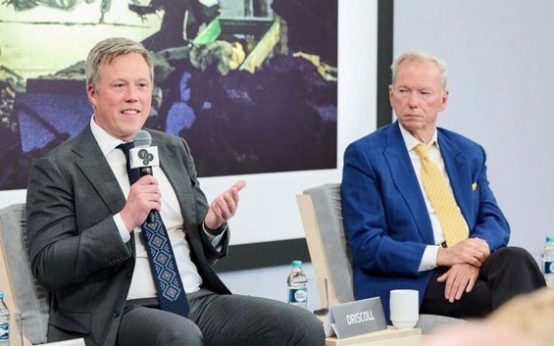 Former Army Secretary Dan Driscoll Discusses Military Innovation and Ukraine’s Strategic Role
 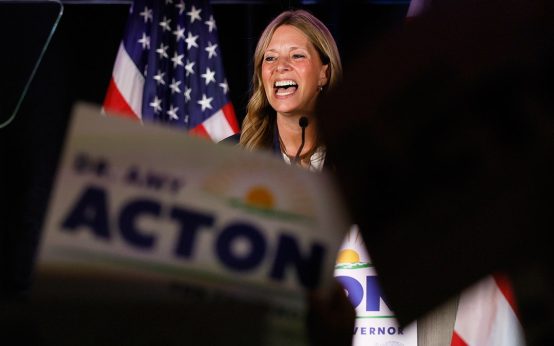 Confrontation at Amy Acton’s Campaign Event in Ohio
  Trump’s Childhood Home Renovated and Sold for Nearly $2 Million
  Bill Maher Criticizes Macklemore and Others Over Comments on Gaza
  Iowa Official Criticizes Block on Local Cash Payments
  Ted Cruz Makes Controversial College GameDay Appearance