
The average long-term mortgage rate in the United States decreased this week as Treasury yields declined. This shift followed the announcement of a deal to conclude the conflict with Iran. The 30-year fixed-rate mortgage dropped to 6.47% from 6.52% last week, according to Freddie Mac. A year ago, the rate was 6.81%.
Borrowing costs for 15-year fixed-rate mortgages, popular among those refinancing, also fell. The average rate decreased to 5.81% from 5.84% last week, noted Freddie Mac. A year ago, this rate stood at 5.96%.
Mortgage rates are affected by several aspects, including Federal Reserve interest rate policies and bond market expectations regarding the economy and inflation. They generally follow the path of the 10-year Treasury yield, which guides lenders in pricing home loans. Despite inflation exceeding the Federal Reserve’s 2% target, the central bank maintained the benchmark interest rate in its recent meeting. New Fed Chair Kevin Warsh, succeeding Jerome Powell, presided over this meeting.
A few Fed policymakers expressed willingness to consider at least one interest rate increase this year. Rates have generally trended up since the U.S. and Iran conflict started in late February, affecting oil flow from the Persian Gulf. This led to rising oil prices, which contributed to higher inflation, bond yields, and mortgage rates.
This week, however, a tentative agreement between the U.S. and Iran to end the conflict and permit Iran to reopen the Strait of Hormuz resulted in the U.S. 10-year Treasury note yield dropping from 4.53% last week to 4.44% on Thursday. This yield was at 3.97% in late February before the conflict began.
In late February, the average 30-year mortgage rate briefly fell below 6% but hasn’t since. Two weeks ago, it climbed to 6.53%, its highest since August 28.
Despite mortgage rates being lower than a year ago, uncertainty about further increases has deterred potential homebuyers. Sales of previously owned U.S. homes fell in the year’s first quarter compared to the previous year, continuing a decline that began in 2022 when mortgage rates rose from pandemic lows. Sales were flat in April but surged in May, reaching their fastest pace since December.
Nonetheless, the pace of existing U.S. home sales remains near a 4 million annual rate, significantly below the historical average of around 5.2 million. Although mortgage applications decreased in the latest Mortgage Bankers Association survey, they increased by 10.8% the week before. Pending home sales rose last month, providing a positive outlook for the housing market entering the year’s second half after a slow spring season.
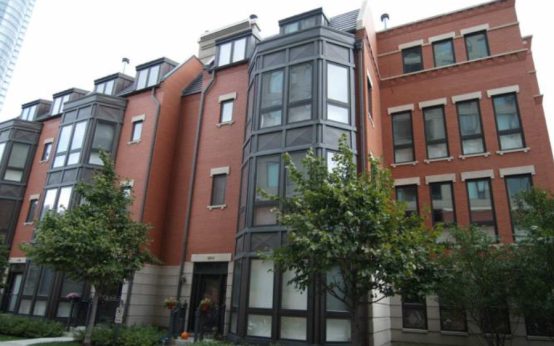 Former Chicago Bulls Guard Jevon Carter Sells West Town Home
  Understanding Real Estate Fees
  Homeowners’ Guide to Home Equity Loans: Costs and Considerations
 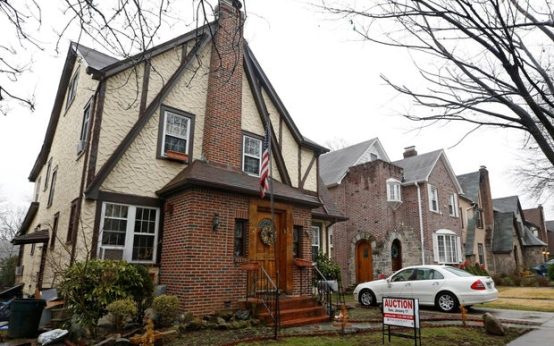 Trump’s Childhood Home Renovated and Sold for Nearly $2 Million
 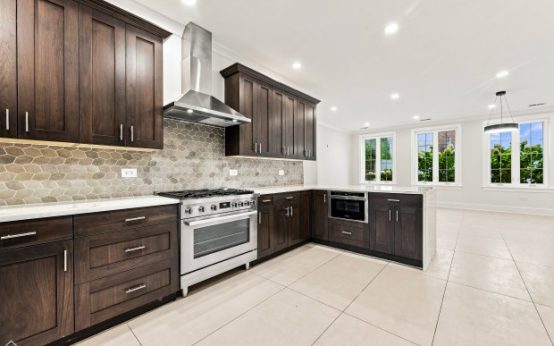 Luxury Five-Bedroom Home for Sale in Edgewater, Chicago
  Skokie Trustees Revise Short-Term Rental Regulations