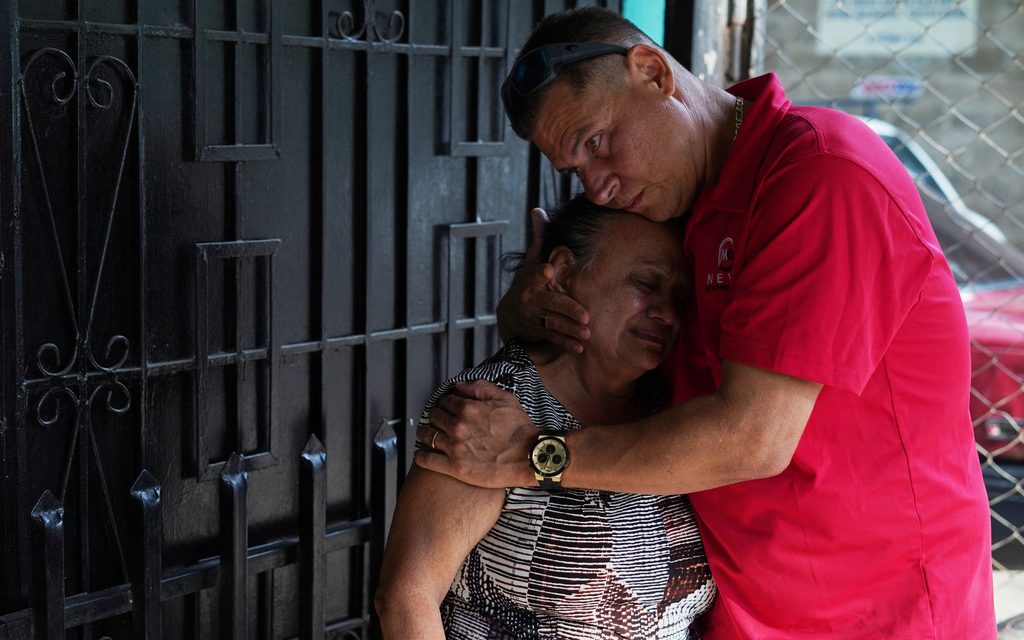
On July 17, 2026, the U.S. Department of Homeland Security introduced a regulation significantly limiting foreign journalists’ ability to work independently in the U.S. It takes effect in 60 days, potentially leading to biased media treatment, foreign retaliation, and further distrust of journalists who already face dangers.
This regulation is part of a broader initiative under the Trump administration to restrict press freedoms. It cuts the duration of I-visas for journalists from an unlimited time frame to eight months. Journalists will need to re-apply frequently without clear guidelines, creating uncertainty and vulnerability.
These restrictions follow other measures like lawsuits against media for unfavorable reports, restricted access to press conferences at the Pentagon, and legal actions against reporters. Advocates criticize the haphazard inclusion of journalist visas in the rule, arguing that it lacks justification and misuses data to support unnecessary changes.
Almost 22,000 comments criticizing the proposed rule were submitted to the Department of Homeland Security. The Writers Guild of America East expressed concerns over potential misuse of the rule to favor or punish journalists, equating it to censorship.
The U.S. has already reacted against journalists critical of the administration. In one instance, reporter Mario Guevara faced arrest and deportation after streaming a protest.
In addition to domestic concerns, the regulation could provoke other nations to retaliate against American journalists abroad. Historical precedents, like China’s and Russia’s past actions, underscore these fears. The organization Reporters Without Borders emphasized the importance of fair visa procedures to ensure equal treatment for American media professionals internationally.
The rule was finalized without addressing these concerns, reflecting a broader governmental distrust of journalists. In the previous year, 67 journalists were killed, 503 detained, 135 went missing, and 20 were held hostage globally, as reported by Reporters Without Borders.
Congress is urged to intervene by holding hearings on the rule’s potential impacts and to legislate against its implementation while expanding protections for journalists. In 2021, in response to Jamal Khashoggi’s murder, Senators Tim Kaine and Lindsey Graham introduced a bipartisan bill aiming to enhance protections for threatened journalists, which never advanced past the committee stage.
To maintain a free press, Congress must act decisively, as the U.S. risks being viewed as oppressive rather than a champion of press freedom. Congressional action is necessary to prevent this outcome.
Margy O’Herron is a fellow in Cornell’s Migration and Human Rights Program and a senior fellow in the Liberty and National Security Program at the Brennan Center for Justice. Dan Berger is a fellow in the Cornell program and a partner at Green and Spiegel LLC, heading the academic and medical immigration team.
Copyright 2026 Nexstar Media Inc. All rights reserved. This material may not be published, broadcast, rewritten, or redistributed.
 Federal Appeals Court Decision Against Trump’s ‘Third-Country’ Deportation Policy
  President Trump’s Controversial Ban on Media Outlets Sparks Press Freedom Concerns
  U.S. Security Agreement in Greenland Sparks Optimism and Concerns
  Cook County’s Property Tax Bridge Loans
  A Controversial Stance on Immigration Policies Sparks Debate in South Carolina
  Trump Administration Challenges In-State Tuition for Undocumented Students