
U.S. Economic Strategy Against Iran
Defense Secretary Pete Hegseth emphasized the Trump administration’s focus on economically pressuring Iran rather than resorting to military strikes. This approach is seen as particularly effective in impacting the Iranian regime.
“If we need to use kinetic strikes, we’ll use them. If Iran is foolish enough to threaten the American military, we’ll act accordingly,” Hegseth stated in Oshkosh, Wis.
The U.S. strategy involves limiting Iran’s economic capabilities to force them to negotiate. Hegseth highlighted the current success of this method.
Treasury’s Role in Economic Campaign
Treasury Secretary Scott Bessent unveiled a new economic pressure initiative titled “Operation Economic Outcast.” Countries maintaining financial ties with Iran face exclusion from the U.S. dollar system, a move intended to isolate Iran economically.
Bessent pointed out the diplomatic efforts by President Trump and other officials to urge global leaders to sever ties with Iran. The administration aims for swift compliance, warning of consequences for non-compliance.
Iran’s Response
Iran’s Parliament Speaker Mohammad Bagher Qalibaf criticized the U.S. strategy, dismissing its effectiveness. He stated that the U.S. is not economically positioned to further restrict relations. However, U.S. officials believe increased economic pressure might drive Iran to discuss their nuclear program.
Global and Domestic Defense Developments
The U.S. canceled a joint military exercise with South Korea due to resource reallocation for the situation in Iran. Concerns about the impact of prolonged military deployments on service members’ mental health are growing.
Ukrainian President Volodymyr Zelensky revealed that Russia is preparing to draft further troops for its ongoing conflict, highlighting increased military activities in Eastern Europe.
The U.S. recently conducted a strike off the coast of Latin America, targeting narco-trafficking operations and demonstrating its continued vigilance in international security matters.
Congressional and Legal Updates
Congress is currently in recess, with the House reconvening at the end of August and the Senate in mid-September. Meanwhile, Department of Justice investigations related to former President Trump continue, focusing on events around the Mar-a-Lago estate search.
Other developments include the Supreme Court’s recent decision affecting mail voting policies and new proposed rules for H-1B visa fees.
 Alani Bankhead Faces Allegations and Campaign Challenges in Montana
 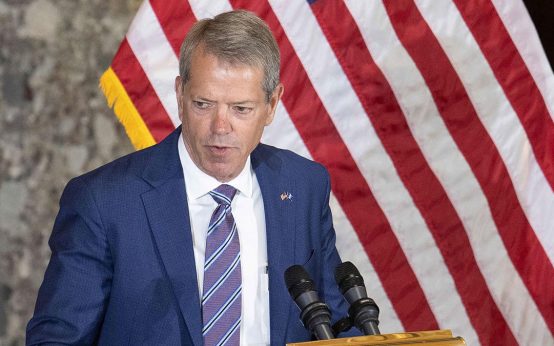 States Take Action Against Cash Welfare Abuse
 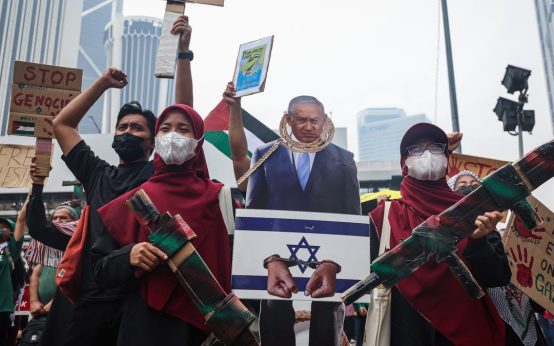 Global Coordination Behind Anti-Israel Protests
 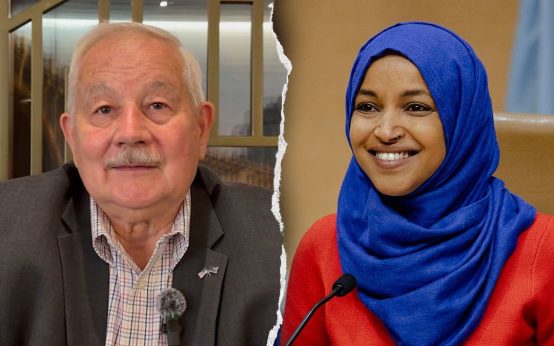 Violence in Twin Cities Spurs Criticism from GOP Candidate
  Jack Smith’s Political Involvement and Controversial Actions
 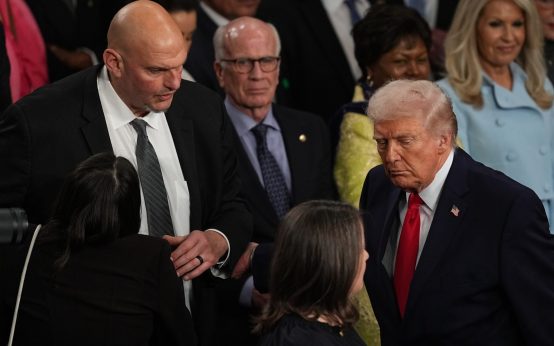 Trump’s Comments Spark Speculation About Senator Fetterman’s Political Future