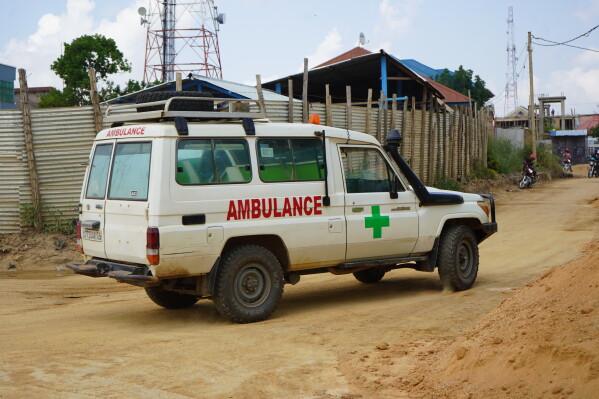
In Hengchun Township, southern Taiwan, experts have commenced an excavation to locate the remains of Japanese soldiers. These soldiers perished in 1944, following the sinking of a military transport vessel attacked by U.S. forces in the Bashi Channel.
Historian Kazuko Tachi, also an activist, indicates that over 4,700 soldiers and crew died, with only 65 survivors. Taiwan was under Japanese rule from 1895 until the war’s end.
Tatsuaki Inoue, representing the Japan Association for the Recovery and Repatriation of War Casualties, believes the bodies of these soldiers washed ashore here. The excavation is set to last a week, focusing on extracting and sending DNA samples to Japan.
A Japanese law enacted in 2016 accelerates the recovery of war remains, extending efforts until 2030 with advanced DNA testing. Official records show around 41,900 Japanese soldiers died in Taiwan during World War II. Only 26,300 bodies have been recovered; more than 15,600 remain missing. The last excavation occurred in 1975, recovering 242 bodies.
Throughout the years, Taiwanese researchers and Japanese volunteers worked on interviews and records to uncover what happened to those who reached the shore. They suspect locals may have gathered the bodies near the Taiwan Third Nuclear Power Plant’s discharge outlet.
Beatrice Trefalt, an associate professor from Monash University, highlights Japan’s wartime naval losses, resulting in unrecovered remains. She notes the persistent search for remains in Japan’s postwar history due to uncertainty over how many died.
In Pingtung, memorial sites honor Japan’s war dead. A monument stands next to Chaoyin Temple, dedicated to Japanese service members who perished, proclaiming: “We pray for the peace of all humanity in the world.” Inside, a Japanese flag is displayed alongside a Buddhist statue guiding souls.
Tachi, motivated by local Taiwanese accounts, emphasizes the importance of memorial services for war dead. Despite 80 years since the war, she values praying for deceased soldiers.
According to Akira Nishimura, professor of religious studies, Japanese government efforts started decades ago, driven by public demand. These initiatives provide closure and comfort to families lacking certainty about their relatives’ deaths, aided by religious groups and volunteers.
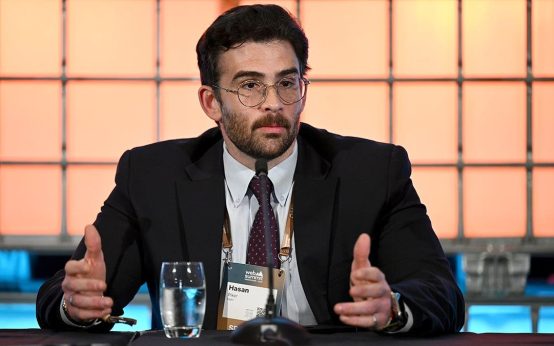 Twitch Streamer Hasan Piker Discusses Controversial Commentary
  A Shifting Political Landscape: The Decline of Autocratic Power
  Trump Delivers Warning to Iran, Cuba at UN General Assembly
  Lukashenko and Putin’s Unique Relationship and Belarus’ Strategic Role
  Alan Ritchson Faces Backlash Over Political Remarks
 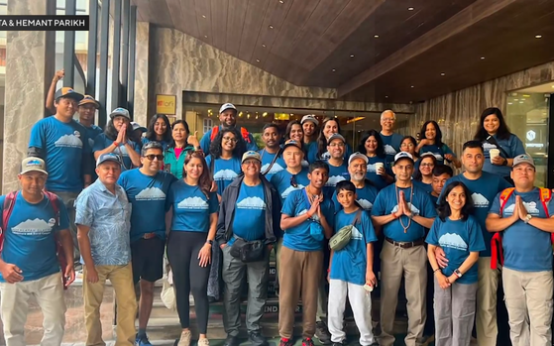 Himalayan Pilgrimage: A Couple’s Narrow Escape and Lingering Questions