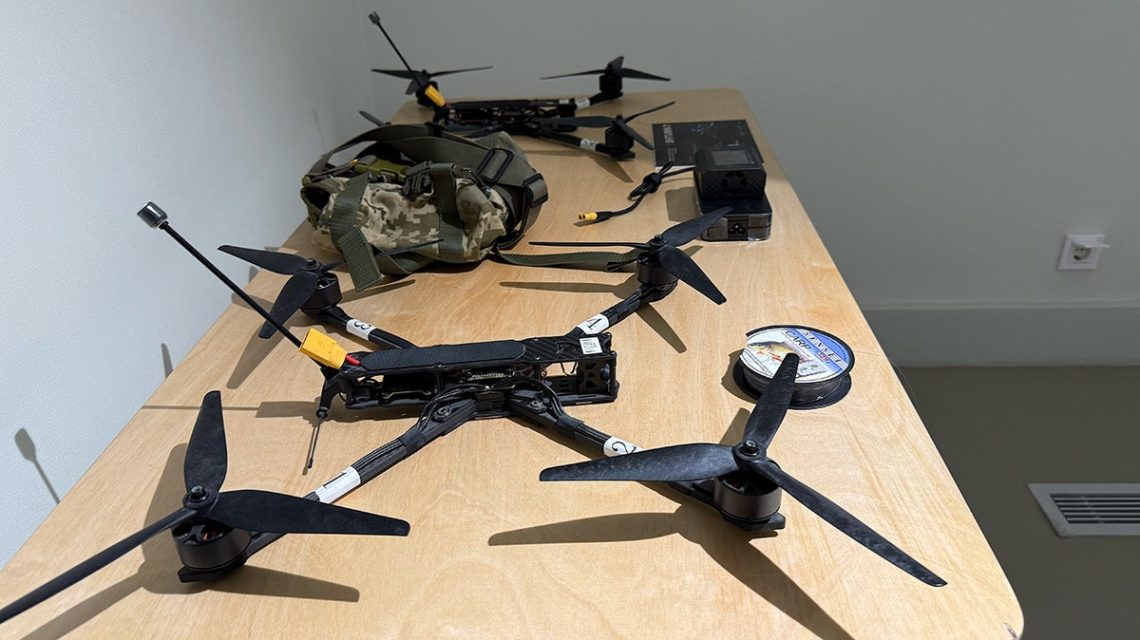
In Lviv, Ukraine, innovative developments are occurring unnoticed by many. Iranian-designed Shahed drones are frequently targeted using weapons produced just miles away. Former students and office workers in hidden factories now contribute to the assembly of kamikaze drones and interception systems around the clock.
This effort, initially spurred by wartime necessity, has turned Ukraine into a burgeoning hub for military drone technology. According to an official in Kyiv, Ukraine is currently at the forefront of battlefield innovation within NATO. They suggest that Ukraine’s experiences with Iranian drone technology could offer valuable insights to the U.S. and Israel.
“Drone technology completely changed the situation on the frontline,” noted Lviv Mayor Andriy Sadovyi.
Drone technology’s impact can be seen in western Ukraine. The transformation is visible as defense technology centers, secret workshops, and testing sites now proliferate. A factory worker, Vitaliy, mentions assembling hundreds of drone components daily, saying they view drone production as crucial for Ukraine’s survival.
Ukraine’s tech industry is expanding rapidly. The Deputy Defense Minister earlier stated that the country aims to produce over seven million drones by 2026, growing from the four million expected in 2025.
Vitaliy reflects on statements made by former U.S. President Donald Trump about ending the war. He sees his contributions as working towards a faster peace for Ukraine, driven by internal strength.
At defense hubs in Lviv, interceptor drones and specialized systems highlight Ukraine’s evolving approach. Volodymyr Cherniuk, co-founder of the defense cluster Iron, mentions the role of roughly 250 tech companies in this systemic innovation.
Some drones serve various purposes, from reconnaissance to attack missions. Unique designs include heavy-lift drones nicknamed “Baba Yaga.” Interceptor drones target Shahed drones used in Russian attacks on Ukrainian cities.
Foreign professionals seek insights from these innovations. Dmytro, CEO of a Ukrainian drone company, notes interest from American, Canadian, and European experts intent on understanding Ukraine’s front line drone strategies.
Western Ukraine remains vulnerable to Russian drone attacks despite the advanced drone defenses. Russian aerial assaults have intensified, targeting areas near NATO’s borders, resulting in elevated regional tension. The situation escalated when drones crossed into Baltic territories, causing political friction.
Baltic officials and Ukraine attribute such incidents to Russian electronic measures aimed at destabilizing NATO areas. These drone technologies, frequently used by both sides, are reshaping the nature of warfare, indicating far-reaching implications beyond immediate conflict zones.
 Former CEO Sentenced for Bank Fraud and Sanctions Evasion
  Russia’s Potential Incursion Into Estonia: NATO’s Resilience Under Scrutiny
  Senators Urge Action to Free Imprisoned Journalist in Iran
  Trump’s Address at UNGA and Key Political Developments
  Controversy Surrounds Automated License Plate Readers Across the U.S.
  Irish Athletes Urge Boycott Against Israel