
President Trump recently signed an executive order focusing on childhood vaccines in a ceremony held at the Oval Office. The announcement, praised by attendees as significant, included health officials and a conservative commentator. Despite the attention, the practical impact on U.S. childhood vaccine policy appears minimal.
Current Status of Childhood Vaccines
According to Dr. Jennifer Shu, a pediatrician in Atlanta, there is little change in demand from parents regarding concerns over vaccine availability. Initial apprehensions about reduced access to vaccines have eased. Legal challenges have blocked recent attempts to alter the federally-recommended vaccine schedule, leaving the current schedule intact.
Availability and Coverage of Vaccines
The executive order does not alter the availability or insurance coverage of vaccines. Parents can still access the recommended vaccines without changes in copays or coverage. Health insurance companies have committed to covering CDC-recommended vaccines through 2027.
Timing and Politics of the Executive Order
The timing of the executive order, close to midterm elections, raises questions. It coincides with the start of the school year. Trump emphasized the administration’s commitment to this initiative despite past obstacles. The order does not address autism directly, although references to vaccines and autism were made during the press conference.
Considerations About Vaccine Schedules
Some parents inquire about spacing out vaccines, mimicking Trump’s approach. Dr. Shu advises that while splitting vaccines hasn’t been officially studied, the standard schedule is proven safe. Delaying vaccines can leave children susceptible to infections and inconvenience families with additional doctor visits.
Possibility of Splitting the MMR Vaccine
The executive order proposes dividing the measles, mumps, and rubella (MMR) vaccine into three separate shots. Currently, these separate shots are unavailable in the U.S. Collaboration with drugmakers is necessary to explore this option. However, this approach could increase the number of shots children receive, contradicting concerns about vaccine quantity.
Public health experts caution that messages questioning the MMR vaccine could affect public health perceptions more than the policies themselves. A decrease in vaccine coverage, even slightly, could result in outbreaks, as seen in past measles cases.
 Republican Changes to Medicaid: Impact on Healthcare Costs
  President’s Statements on MMR Vaccine and Administration Actions
 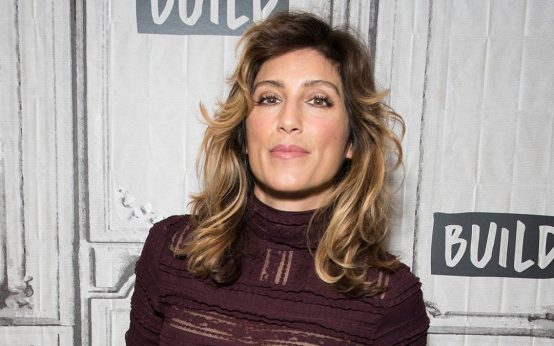 Jennifer Esposito Shares Her Journey Through Misdiagnosis and Recovery from Celiac Disease
 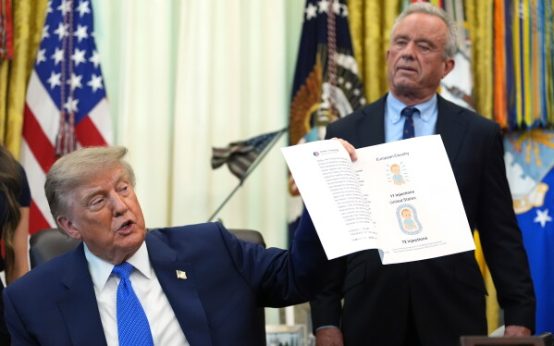 Examining Claims on Vaccine Policies and Autism
 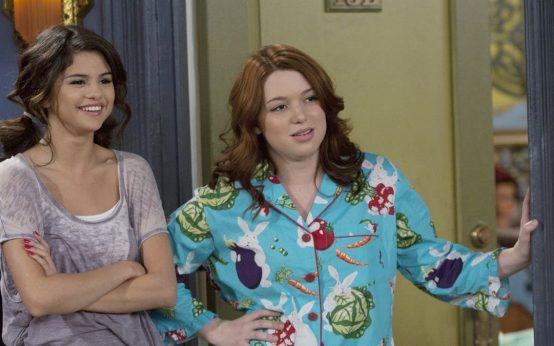 Jennifer Stone Balances Disney Fame with Nursing Reality
  Efforts to Manage Ebola Outbreak in Democratic Republic of Congo