
The Hechinger Report examines inequality and innovation in education, aiming to inform the public about educational improvements and their significance.
In my English and writing classes, I encourage students to explore fictional character bots. When I first introduced this project, I had concerns about students developing an attachment to Character.AI. This platform appeals to young people by offering an ever-compliant, tireless virtual friend.
Character.AI stands out due to its ability to emulate human-like interactions, providing responses that align with the user’s expectations. This responsiveness can create a sense of companionship that students might find appealing. The constant availability and agreeability of these chatbots can lead to increased engagement, but it’s important to guide students in their use.
Assigning projects involving AI chatbots helps students develop critical thinking skills. They learn to question the motivations behind the chatbot’s responses. It becomes an opportunity to understand the technology’s capabilities and limitations. The educational value lies in analyzing AI as a tool rather than forming dependency.
Introducing AI chatbots in education requires careful consideration. It’s essential to foster an environment where students recognize the virtual nature of bots. This approach encourages balanced use and promotes a deeper understanding of technology in learning environments.
 Beijing’s Tactical Undermining of U.S. Supremacy Through AI
  AFL Investigates Fairfax County Schools’ 9/11 Teaching Guidance
 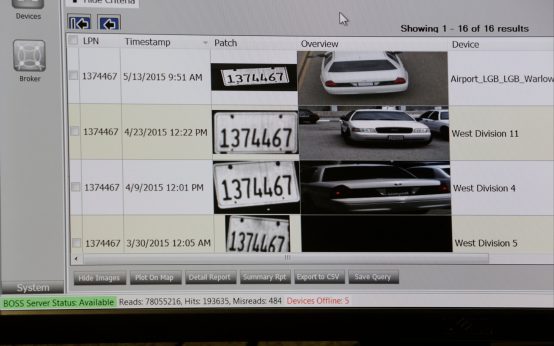 Controversy Surrounds Automated License Plate Readers Across the U.S.
  Trump and Harp Sued Over Truth Social Subscriber Program
  Challenging the ‘Trust the Experts’ Narrative in School Libraries
  Implications of AI in College Admissions