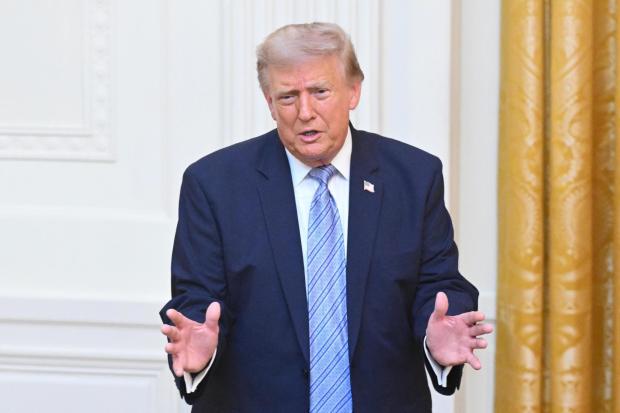
In a national address on Thursday evening, President Donald Trump emphasized the importance of having secure elections. He asserted that federal authority is being used to prevent elections from being wrongfully influenced. However, one of the key security features of U.S. elections is their decentralized nature. With over 10,000 election jurisdictions, each set by state and local governments, the system is both intricate and resistant to widespread fraud. Misconduct, when it occurs, is often detected due to existing security protocols.
Decentralized Elections: A Historical Perspective
America’s decentralized election system is rooted in the nation’s history. The Founding Fathers entrusted states, rather than the federal government, with the control over elections. While Congress can regulate elections through laws like the Voting Rights Act, the Constitution assigns states the primary role in establishing “times, places and manner” for elections. Unlike many countries, the U.S. has no national body overseeing presidential elections.
The task of managing elections is typically handled at the local level by clerks or election supervisors, supported by staff and volunteers. While differences in state election laws can cause confusion, experts view this structural diversity as a security advantage. Stealing a presidential election, as falsely claimed by Trump for 2020, would require massive, well-coordinated fraud by numerous election workers, which is improbable.
Security Measures in U.S. Elections
Election security involves shared practices across the nation, ensuring that only eligible voters participate. Stories about illegal voting or mail ballot misuse, though infrequent, gain attention. Such acts, including double voting, ballot tampering, or falsifying residency, are punishable by significant fines and imprisonment. Non-citizens violating election laws face deportation.
Security layers and transparency are built into the U.S. election systems to deter and detect fraud. For in-person voting, most states require voter identification at polling places. In absentee voting, voter signatures are mandatory, with states implementing additional safety measures like signature verification or notarization. These checks help identify and address potential fraud, such as misuse of ballots sent to incorrect addresses.
Review of Voter Fraud in the 2020 Election
Despite President Trump’s continued claims of winning the 2020 election, numerous reviews countered these assertions. An Associated Press investigation in 2021 examined potential voter fraud in six key states. It identified fewer than 475 cases of fraud, insufficient to alter election outcomes. Various judges, state election officials, and a Homeland Security department agency dismissed Trump’s fraud allegations.
In 2020, then-Attorney General William Barr, a Trump appointee, confirmed the absence of evidence indicating significant voter fraud that could have changed the election results, reinforcing the integrity of the electoral process.
 Peltola Leads in Alaska Senate Race Despite Controversies
  Beni Rae Harmony Joins Trump’s Communications Team Amid Controversy
  Democrats and Republicans Gear Up for Midterm Elections
  Supreme Court Considers Direct Lawsuit Path for Veterans
  Israel Condemns British Green Party’s View on Zionism
  AI Reduces Political Ad Costs, Sparking Debate on Impact