
Recognizing the narratives behind individuals’ concerns about vaccines can aid public health advocates in developing a more inclusive healthcare approach.
July 27, 2026, at 10:09 p.m. EDT
By Katherine Shwetz, The Conversation
The Conversation is an independent, nonprofit news organization providing readers with facts and analysis from researchers and scientists to help them navigate a complex world.
Historical Roots of Vaccine Hesitancy
For as long as vaccines have existed, skepticism about their science and safety has been present. In 19th-century England, mandatory smallpox vaccination led to riots. Protesters argued it infringed on civil rights and challenged human bodily integrity.
The United States has seen formal resistance organizations since at least 1894 with the creation of the Anti-Compulsory Vaccination League of Brooklyn.
 Recall of Meat Products from Star Meat Delivery Inc.
  Questions Arise After Presley Gerber’s Death in Rehab
  Upcoming Concerns and Influence in Health Politics
 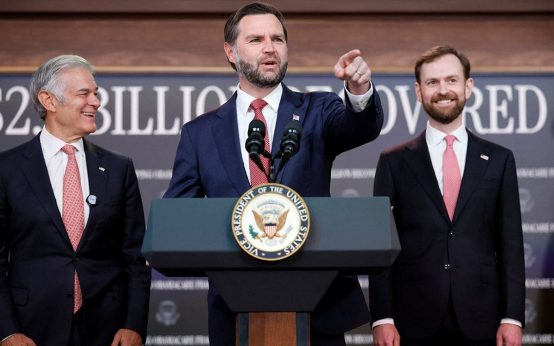 Fraud Task Force Saves Billions by Tackling Obamacare Misuse
  Presley Gerber’s Passing Raises Addiction Recovery Concerns
  Understanding October SNAP Benefits: Payment Dates and Changes