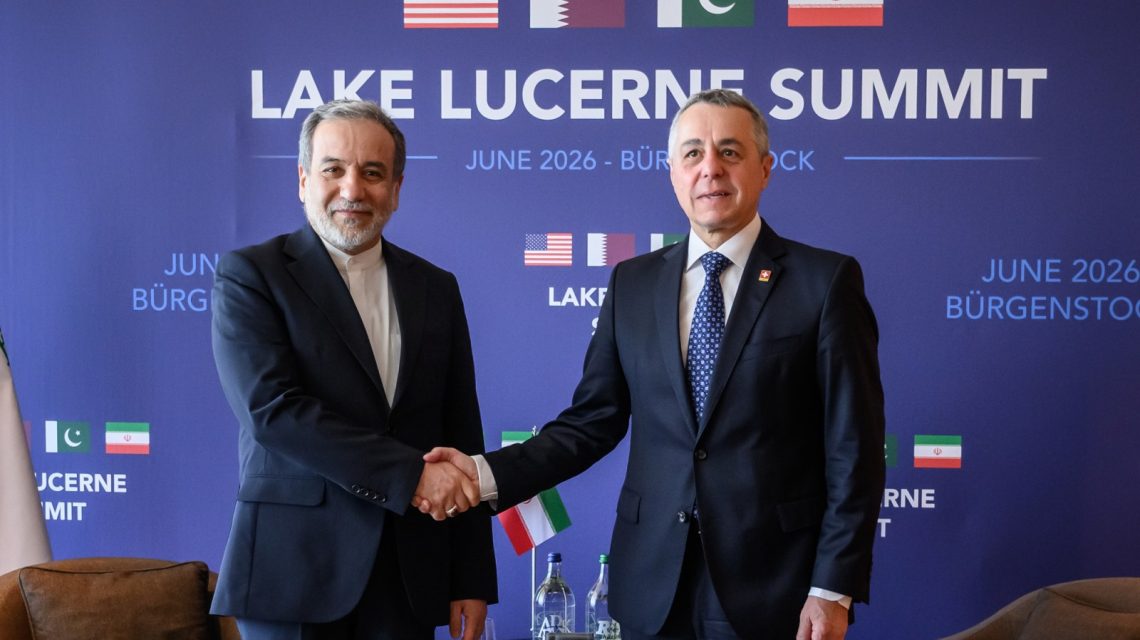
The recent agreement between Iran and the United States holds the potential to release billions of dollars in frozen Iranian assets worldwide. Officials from both countries present varying details about the amount and terms of the deal.
Where Are Iran’s Frozen Assets?
Frozen assets refer to funds or financial holdings legally blocked from access or transfer, often due to sanctions. Iran’s frozen assets predominantly consist of oil revenues and foreign currency reserves held in foreign banks.
Since the 1979 Iranian Revolution, U.S. sanctions and trade restrictions have targeted Iran. Additional measures were applied to address nuclear programs, human rights, and support for militant groups in the Middle East. These sanctions, alongside high inflation and currency depreciation, have severely impacted Iran’s economy.
The potential release of these assets could provide Iran with much-needed resources during this economic strain. Estimates of Iran’s frozen assets vary, with Iranian officials suggesting up to $100 billion, while other assessments fall under $50 billion. Reports suggest China holds the largest amount, estimated between $20 billion and $50 billion, due to its status as a leading purchaser of Iranian oil. Iraq, Japan, Luxembourg, the U.S., South Korea, Qatar, and Oman also hold significant Iranian assets.
What the MOU Says About Frozen Assets
The 14-point memorandum of understanding (MOU) between Iran and the United States includes a clause discussing the potential release and use of frozen Iranian assets abroad. The agreement was signed on June 17.
Paragraph 11 of the MOU states: “The United States of America undertakes to make fully available for use the frozen or restricted funds and assets of the Islamic Republic of Iran upon the implementation of this M.O.U. The United States of America and the Islamic Republic of Iran will mutually agree on the procedures related to the release of these funds during the negotiations. Such funds, whether retained in the original account or transferred, shall be made fully usable for payment to any ultimate beneficiary designated by the Central Bank of the Islamic Republic of Iran. The United States of America undertakes to issue all necessary licenses and authorizations accordingly.”
Statements from Iran and the U.S. on the Frozen Funds
President Donald Trump suggested the unfrozen funds should be used to purchase American food products, stating, “All that money’s coming back in the form of purchases of food which they desperately need. They have 91 million people; they can’t feed them. So, the money that we lift is going to go to our farmers.”
In contrast, Iranian officials refuted this notion. In Geneva, Ali Bahreini, Iran’s UN ambassador, asserted, “Iran is the only country to decide what to do with its assets, which are going to be defrozen, and so I reject any claim about that if there would be any role for any other country to have an influence on those decisions or on those processes.”
Iranian Parliament Speaker Mohammad Bagher Ghalibaf reported that the Tehran-Washington agreement covers the release of $12 billion in frozen assets, in two $6 billion tranches, according to reports from The National.
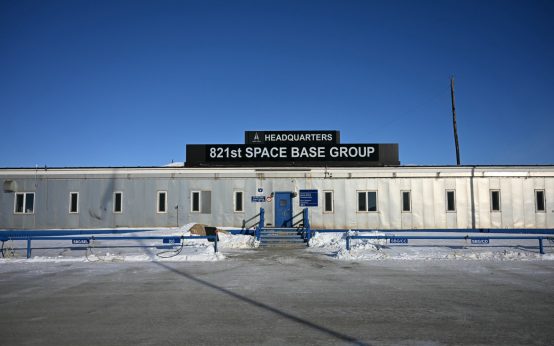 New U.S. Military Bases Planned in Greenland Amid Strategic Security Deal
  Twitch Streamer Hasan Piker Discusses Controversial Commentary
  A Shifting Political Landscape: The Decline of Autocratic Power
  Trump Delivers Warning to Iran, Cuba at UN General Assembly
 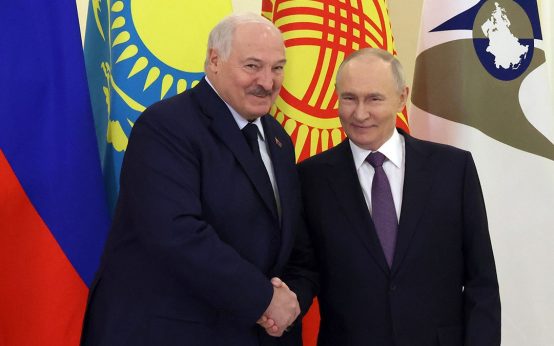 Lukashenko and Putin’s Unique Relationship and Belarus’ Strategic Role
  Alan Ritchson Faces Backlash Over Political Remarks