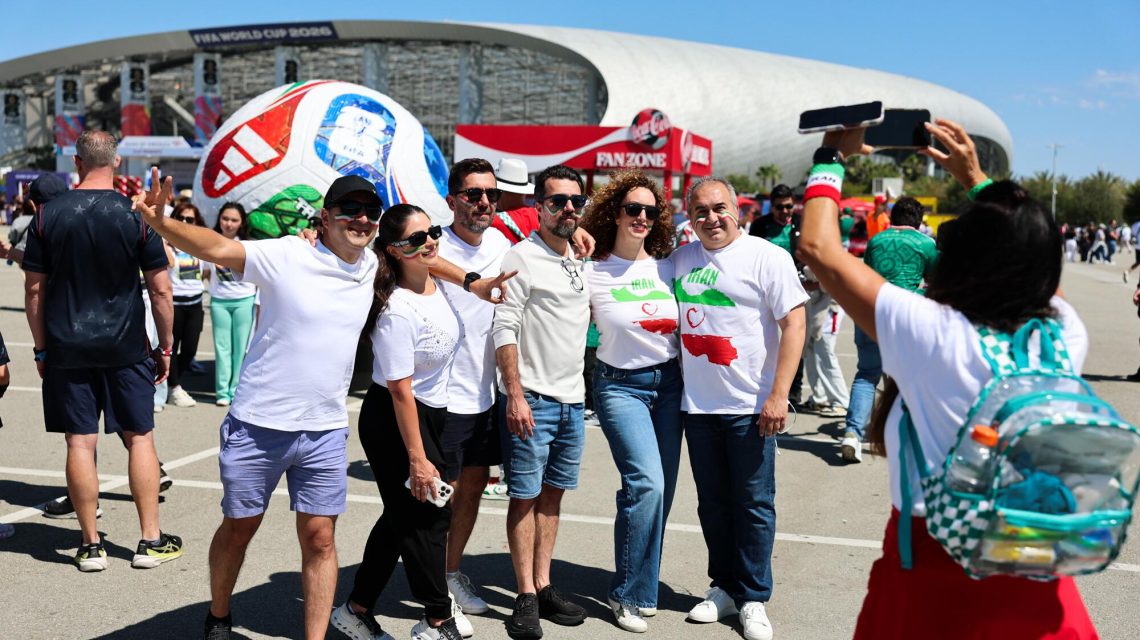
The lead-up to the World Cup in Los Angeles stirred concerns about immigration enforcement, travel restrictions, and anti-Trump sentiments affecting the atmosphere of the games. However, in the past week, a different narrative has emerged on the streets of L.A. Fans from varied cultural backgrounds have come together, exemplifying the kind of world—and city—they desire.
On a shuttle from downtown to Inglewood, a vibrant mix of fans displayed their support. There were Farsi-adorned shirts for the Iran-versus-New Zealand game, jubilant clusters of Kiwis, and diverse jerseys ranging from Argentina to USA. A lively group shouted “Viva Mexico” from the back. The mood among Iran’s supporters was joyful, despite travel challenges posed by the Trump administration’s restrictions, requiring players to commute from Tijuana.
Similar scenes unfolded on the Metro K Line, where worldwide attendees exchanged stories about ticket acquisitions, tips for using L.A.’s transit, and nostalgic tournament memories. “This festival is about unity and bringing the whole world together; there are 48 nations, and everybody is having a good time,” stated Ardy Salem, an Iranian American dentist from the Bay Area, observing SoFi Stadium’s crowd with delight. For a brief time, politics could be set aside.
David Leon, a Watts resident in his forest-green Mexico jersey, initially doubted hosting the World Cup in L.A. “I thought it was going to be a big issue for people to come here,” he admitted. He feared American politics might deter visitors. Instead, he enjoyed seeing tourists’ positive reactions to U.S. culture on social media, like a German trying Waffle House and a Swedish woman appreciating ranch dressing. “I’ve seen Colombians, Mexicans, New Zealanders, Iranians, Germans, Spaniards,” he noted, seeing ethnic diversity among the fans. For Mexican Americans in his community, the matches infused much-needed joy.
A year ago, Immigration and Customs Enforcement raids caused fear in Los Angeles immigrant homes. Before the World Cup, fears arose about ICE at the games. About 2,000 stadium workers threatened a strike unless assured immigration agents would stay out during the event. Leon expressed concern over possible ICE enforcement against crowds. So far, such actions haven’t occurred. In Watts, “World Cup fever” captured attention, with locals attending watch parties and following games on phones.
While joy dominated in Inglewood, the day carried tension for those unable to join. James Carling from Ventura expressed sorrow for fans from Iran, Haiti, and Senegal unable to travel due to U.S. travel restrictions. “Our government hasn’t made it easy for people to visit, which is a shame,” he said.
U.S. tensions with Iran and anger among Iranian Americans towards their government also shadowed Monday. Some Iranian fans faced protesters associating support for Iran’s soccer team with backing an oppressive regime. Yet, Iranians at the game engaged in cathartic celebrations, uniting briefly over soccer.
In the parking lot, David Arias, of Mexican descent, and Kam Pirouz, an Iranian from Washington, D.C., shared a fist bump, symbolizing their camaraderie. Iran’s team, commuting from Tijuana, highlighted this bond. Arias, without tickets, brought his barbershop to the stadium’s parking area, offering free haircuts. Seats filled quickly, including Pirouz, a Mormon missionary from Utah, and an Egyptian fan. “It’s the World Cup, man, the entire world comes together, and it’s beautiful,” Pirouz said mid-haircut. “Best sport in the world.”
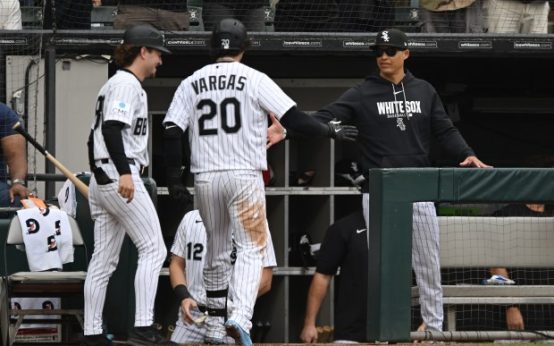 Chicago White Sox’s 2026 Success and Team Dynamics
  Trump Delivers Warning to Iran, Cuba at UN General Assembly
 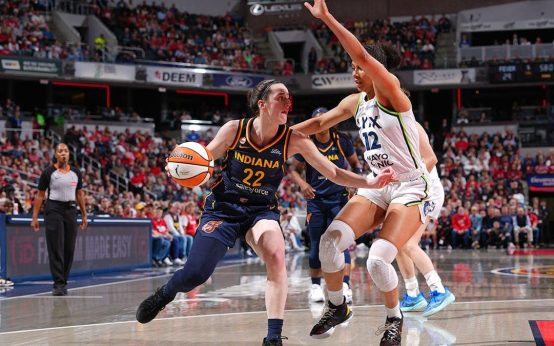 Indiana Fever Bounce Back with Win Against Minnesota Lynx
 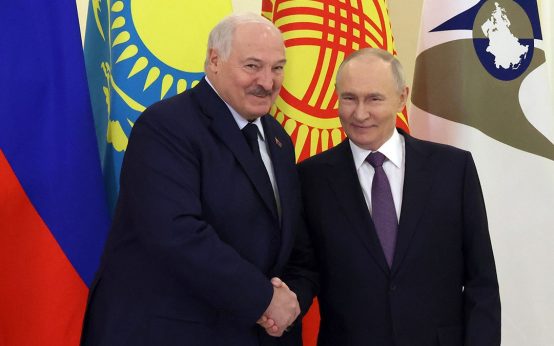 Lukashenko and Putin’s Unique Relationship and Belarus’ Strategic Role
 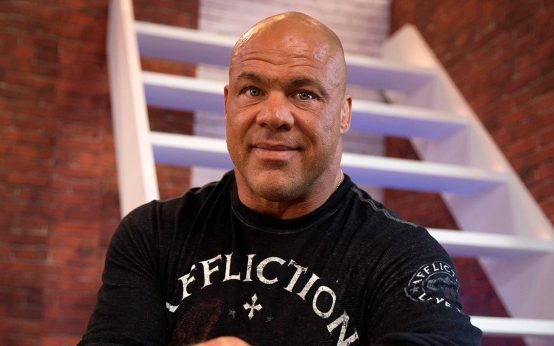 Kurt Angle Reflects on His TNA Wrestling Career
  Alan Ritchson Faces Backlash Over Political Remarks