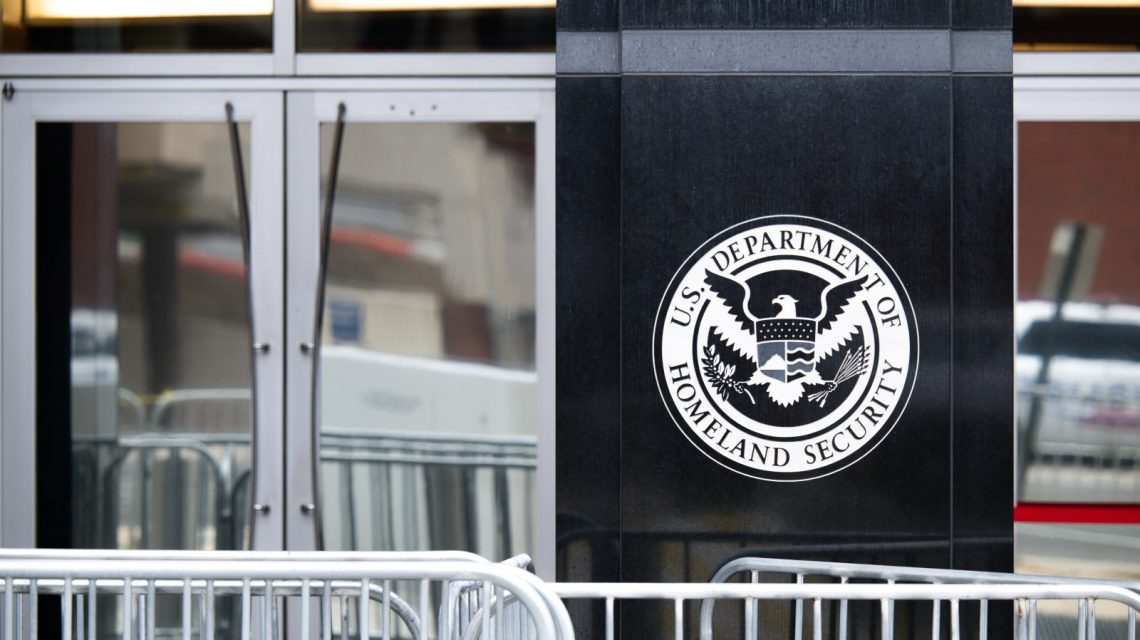
Thousands seeking temporary stay programs in the U.S. should be aware of important changes in documentation requirements. The United States Citizenship and Immigration Services (USCIS) announced updates to Forms I-539 and I-765, starting September 15, and older versions will be rejected after this date. These changes are part of a broader Department of Homeland Security (DHS) rule that transitions from an open-ended duration of status system to fixed admission periods for certain groups.
New Rules for Visa Categories
The updates concern individuals seeking to extend stays, change dependent status, or alter visa categories. Affected visas include F-1, J-1, and I visas, covering students, exchange visitors, and foreign media representatives. While H-1B applicants won’t be directly impacted, their family members and the student-to-worker transition may be affected, given many H-1B holders initially arrive as students and their spouses hold H-4 status, often filing I-539s and I-765s.
Impact of Form Changes
USCIS is revising two forms: Form I-539, for extending or altering nonimmigrant status held by certain students, dependents, and visa holders, and Form I-765 for employment authorization. From September 15 onwards, only new form versions will be accepted, with older versions rejected immediately. This approach deviates from typical practice, which usually includes a grace period. USCIS has released previews of newer versions for preparation but advises against submitting them before their official release.
Reasons Behind the Changes
The modifications are tied to the establishment of a fixed admission period and updated extension-of-stay processes for certain nonimmigrant categories, such as international students and foreign media representatives. The old Duration of Status system allowed individuals on F, J, or I visas to stay in the country indefinitely while complying with program terms. DHS has highlighted a significant increase in admissions, from approximately 260,000 F-status admissions during the 1980-81 academic year to over 1.8 million in fiscal year 2024, along with J-status admissions exceeding 500,000.
The new rule requires specific admission periods with set expiration dates, mandating individuals to seek formal extensions with immigration authorities if necessary. DHS aims to align these visa categories with other nonimmigrant visas, improve oversight, and facilitate easier evaluation of lawful status maintenance. The previous system was criticized for its inadequate federal oversight, as individuals could remain without directly interacting with immigration authorities for extended periods.
Concerns from Educational Institutions
Higher education institutions and immigration advocates have expressed concerns over the administrative and financial burdens posed by new requirements. Potential issues include additional filing fees, paperwork, and legal or administrative costs for students, exchange visitors, and their families. Universities may need to allocate more staff resources to assist international students and scholars with the extension-of-stay process. Consequences extend beyond individual applicants, affecting administrative support and academic operations within universities.
Erik Luijten, provost at Northwestern University, emphasized in a letter to university members that the policy impacts not only international students and scholars but also the broader academic support framework.
 Alani Bankhead Faces Allegations and Campaign Challenges in Montana
  States Take Action Against Cash Welfare Abuse
  Global Coordination Behind Anti-Israel Protests
  Violence in Twin Cities Spurs Criticism from GOP Candidate
  Jack Smith’s Political Involvement and Controversial Actions
  Trump’s Comments Spark Speculation About Senator Fetterman’s Political Future