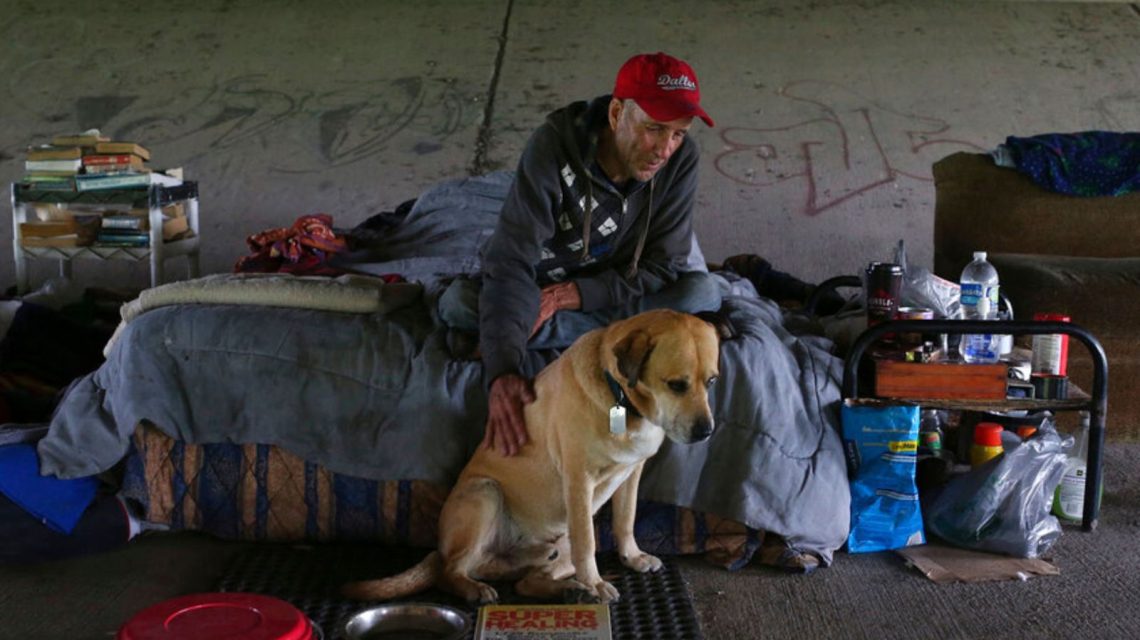
The Department of Veterans Affairs (VA) recently introduced a foreclosure-prevention initiative aimed at assisting veterans in maintaining homeownership amidst rising repossessions and limited support options. The agency has implemented the Partial Claim Program, targeting veterans who are behind on their VA-backed mortgages.
Eligible participants will enter a three-month trial repayment period under the program. Upon successful completion, mortgage servicers will settle the overdue amount, restoring the loan’s standing. The VA will then reimburse this amount, with veterans responsible for repayment upon closing, refinancing, or selling their homes.
VA Secretary Doug Collins stated the measure aims to keep thousands of veterans in their homes. The initiative is a critical safeguard for borrowers facing financial hardship.
Addressing a Growing Crisis
This development follows significant pressure in the veteran housing market. A foreclosure surge ensued after the expiration of a crucial relief program. Over 10,000 veterans lost their homes following the end of the VA’s mortgage rescue initiative in May 2025, while approximately 90,000 faced payment delinquencies or foreclosure procedures.
Previously, a government-backed stabilization of loans helped. But the program’s ending left many veterans with fewer options and potentially higher monthly payments under restructuring attempts. Analysts warned the absence of a replacement safety net could trigger increased foreclosures—a forecast that appears accurate.
Policy and Timing Questions
Criticism has arisen concerning federal housing policy changes for veterans under the Trump administration. Ending prior relief efforts without an immediate successor was noted by critics as a contributing factor to increased foreclosures.
Advocacy groups and lawmakers emphasize the accessibility of VA-backed loans, characterized by low or no down payments and favorable interest rates. However, protections can quickly diminish once borrowers struggle with payments. The Partial Claim Program seeks to bridge this gap, enabling borrowers to catch up without increasing monthly costs or risking property loss.
Program Mechanics and Limitations
The new plan’s primary benefit is allowing veterans to update their loans without modifying original mortgage conditions. Missed payments are deferred instead of merged into larger monthly bills. However, partial-claim approaches typically don’t lessen the principal balance or offer sustained payment assistance.
Neil Caron, of CMG Mortgage, noted these measures aid during temporary difficulties, but could drain equity for homeowners enduring continuous financial hardships. The program’s efficacy may hinge on borrowers’ ability to maintain payments post-relief period ending.
A Significant Initiative
Currently, the VA’s rollout signifies a robust effort to stabilize a strained system. Framed as part of a suite of foreclosure-prevention tools alongside loan modifications and repayment plans.
The program’s success in reversing foreclosure spikes—and adequately safeguarding veterans’ homeownership—will be crucial as tens of thousands remain at risk of losing their homes.
 Potential 2028 Presidential Candidates Begin Campaigning
  California Voter ID Proposal Sparks Debate
  Nevada Governor Race Heats Up as Election Day Approaches
  Rethinking Child Welfare Policy: A Call for Reform
  Trump Initiates Inquiry into Federal Reserve Governor Lisa Cook
  Michigan Senate Debate Highlights Intense Personal Attacks