
Recent earthquakes in Venezuela have brought to light significant challenges within the country’s socialist framework. The natural disasters have underscored concerns about the current regime’s ability to manage crises and the implications for international relations.
The tremors revealed underlying weaknesses in infrastructure and governance. Many areas affected by the earthquakes displayed inadequate preparedness and response measures. This shortfall highlights systemic issues within the socialist leadership in Caracas, prompting criticism and calls for reform.
International Response
The role of the United States in providing aid or exerting influence in Venezuela has become a topic of debate. Analysts question the extent of U.S. involvement and its strategies in navigating diplomatic relations with a socialist government.
Observers note the potential for the U.S. to assert its interests more effectively in the region. This could involve supporting alternative political movements or increasing humanitarian efforts. However, the complexities of international diplomacy and ethical considerations complicate these actions.
Venezuela’s situation serves as a case study in the broader discussion of governance models in crisis management. The earthquakes have not only caused physical destruction but also ignited a dialogue on the efficacy of different political systems in addressing national emergencies.
 Ontario Synagogue Shooting During Yom Kippur Leaves One Officer and Shooter Injured
 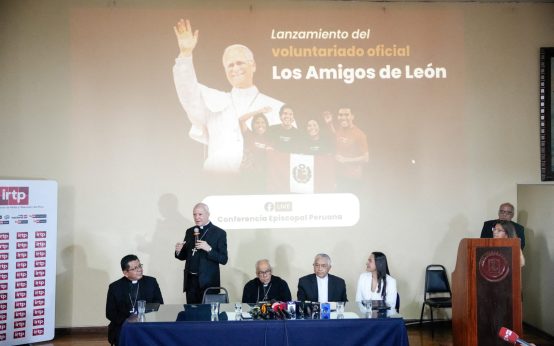 Pope Leo XIV’s Upcoming Visit to Latin America: An Overview
  Ukraine Deploys Ground Robots in ‘Operation Vivaldi’
  Understanding AI’s Impact Compared to Historical Threats
  State Department Alerts on Middle East Travel Amid Rising Tensions
 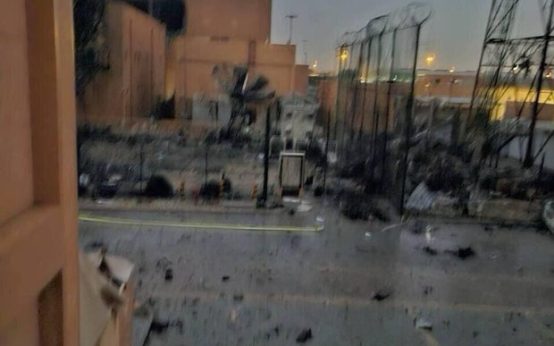 Iran’s Attacks on Bahrain: The Impact on Military Families