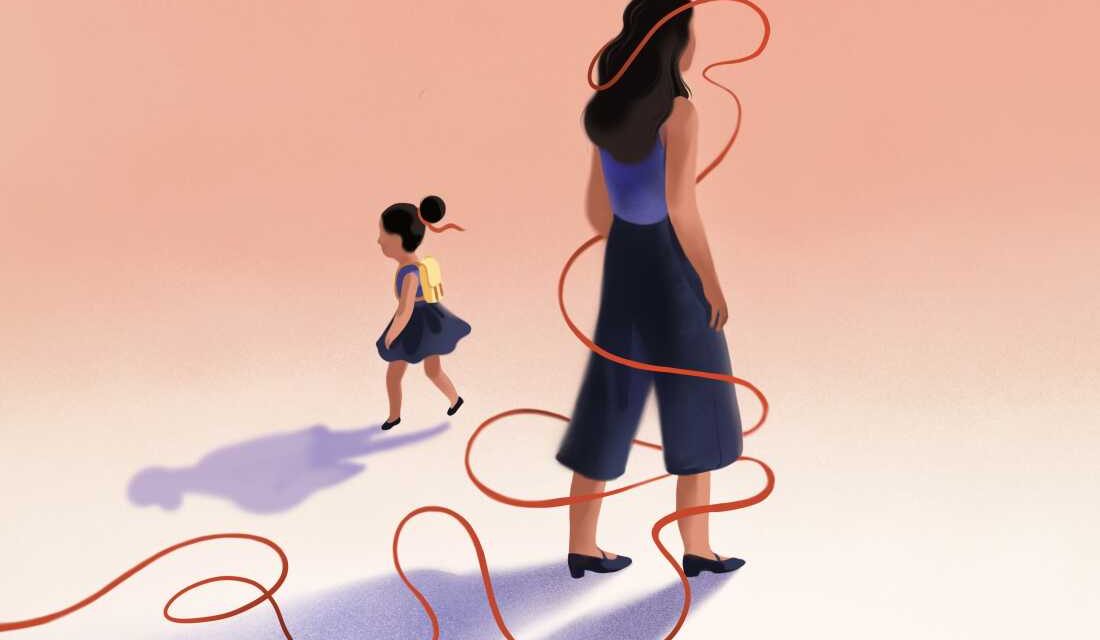
In the 1980s, Kate Jarvis excelled in school, earning straight A’s. Her mother called her “bright-eyed and bushy-tailed.” However, as puberty hit, her academic performance declined. She struggled with focus, resulting in a drop in her grades, which affected her self-esteem. This period was marked by anxiety and depression, as teachers remarked on her unfulfilled potential. It was only in her late 30s that Jarvis was diagnosed with ADHD.
When Jarvis received her ADHD diagnosis, it was a turning point. “It was something I had been wrestling with for 25 years,” she says. The diagnosis brought both relief and challenges, as she realized knowing the cause didn’t mean an instant solution.
‘Just because you know what something is, doesn’t mean you can immediately fix it.’
According to researchers, Jarvis’ experience is common. ADHD has long been viewed as a disorder affecting mostly boys, focusing on hyperactivity. Julia Schechter, a clinical psychologist, explains ADHD manifests differently in girls. They tend to appear more distracted and disorganized, with symptoms easily missed.
This leads to many girls receiving a diagnosis much later, often in adulthood, spending years being treated for anxiety or depression instead. ADHD untreated carries significant risks. It affects social relationships and impulse control. For women, it also increases the risk of abuse, teen pregnancies, and more severe feelings of worthlessness.
Dr. Patricia Quinn, a pediatrician specializing in ADHD, states women with ADHD face higher health risks, including obesity and cardiovascular issues. A 2023 UK study found women with ADHD have a reduced life expectancy. Despite these risks, public awareness of ADHD’s seriousness remains limited.
Awareness of ADHD among adult women is increasing. Federal data shows nearly 7 million women in the U.S. were diagnosed by 2023. Although boys still receive more diagnoses, rates even out by adulthood.
Many women, like Amy Reyer, reach a breaking point in midlife, unable to handle increasing responsibilities. Reyer, who was diagnosed at 48, struggled with focus and anxiety for years, unaware of her ADHD. Upon diagnosis, she began effective treatment. “I just assumed… everything I was going to do was going to be more difficult for me,” she says.
Research indicates ADHD symptoms may worsen during perimenopause, with women experiencing earlier onset and more severe symptoms. Menopause can exacerbate “brain fog” and executive functioning issues, according to Dr. Jeanette Wasserstein.
Reyer discovered she might have ADHD after her son’s diagnosis. Genetic links are strong, and her own diagnosis led to significant improvements in her life. “Finding the right medication was like a lightbulb turned on,” she states.
Comprehensive Treatment for ADHD
Treatment for ADHD includes more than medication. Dr. Quinn notes hormone therapy can assist women in perimenopause. Cognitive behavioral therapy is essential to address feelings of shame. Psychologist Ellen Littman focuses on helping women redefine their self-view through neurological insights, boosting self-esteem.
Lifestyle changes, such as exercise, meditation, and a healthy diet, are crucial. Kathleen Nadeau, a clinical psychologist, suggests finding environments that align with personal strengths, which might entail career changes.
Ruth Danoff’s diagnosis at 50 initiated a transformative understanding of her lifelong struggles. Previously criticized in detail-oriented jobs, at 65, she pursued entrepreneurship and advocacy for women with ADHD.
‘My mission in life is that I don’t want any woman to go through what I went through.’
Kate Jarvis encourages seeking a diagnosis, regardless of age. For her, the diagnosis led to self-acceptance through medication and therapy. She shares, “There is so much joy waiting on the other side.”
 Questions Arise After Presley Gerber’s Death in Rehab
  Upcoming Concerns and Influence in Health Politics
  Fraud Task Force Saves Billions by Tackling Obamacare Misuse
  Presley Gerber’s Passing Raises Addiction Recovery Concerns
  Understanding October SNAP Benefits: Payment Dates and Changes
  Managing Distress and Discomfort Effectively