
In Kuwait, officials reported that Iranian drones severely damaged a terminal at the country’s main airport on Wednesday. The incident resulted in one death, several injuries, and a brief closure of the airport. This attack is part of ongoing tensions between Iran and the United States, challenging a fragile ceasefire.
The growing hostilities have heightened risks for residents and travelers in the Persian Gulf, previously considered relatively safe. Iran has denied responsibility for the attacks. Diplomatic efforts have been underway for weeks to establish a longer-lasting truce, though discussions face complications due to Israel’s ongoing conflict with Hezbollah in Lebanon.
“Iran demands a separate ceasefire in Lebanon before resuming negotiations,” said a regional official.
President Donald Trump confirmed that discussions continue to extend the ceasefire with Iran, despite recent U.S. military actions against Iranian facilities.
Amid rising tensions, disagreements have emerged between allies Israel and the United States. Trump admitted to calling Israeli Prime Minister Benjamin Netanyahu “crazy” during a recent phone call. However, both leaders emphasized that their relationship remains strong.
In addition, Iran continues to maintain control over the Strait of Hormuz, a critical passage for global oil and gas, while the U.S. enforces a blockade on Iranian ports. This situation has contributed to high global fuel prices, impacting economies worldwide.
U.S. House Speaker Mike Johnson reported a recent White House meeting focused on restoring trade. Meanwhile, Secretary of State Marco Rubio faced congressional scrutiny over the conflict’s economic impact.
The Kuwaiti Ministry of Defense claimed that several hostile drones attacked the passenger building at Kuwait International Airport. The airport had only reopened on Monday after being closed due to the war, which began on February 28 with U.S. and Israeli strikes against Iran.
The Iranian Revolutionary Guard denied attacking the airport, stating that American-made interceptors failed to hit Iranian missiles.
The U.S. Central Command dismissed Iran’s claims, stating that Iranian drones deliberately attacked the airport. The Indian embassy confirmed a deceased Indian citizen, and authorities reported 63 injuries, some severe.
Kuwait’s Ministry of Defense also reported intercepting and destroying multiple missiles and drones from Iran. Civil aviation authorities later announced a partial reopening of the airport, with only Kuwait Airways flights operating from a different terminal.
Kuwait’s Foreign Ministry asserted that such attacks are unacceptable, leading to the expulsion of two Iranian diplomats. This action signals international disapproval.
The U.S. military claimed to have intercepted multiple Iranian drones targeting U.S. forces in Kuwait. Additionally, U.S. and Bahraini forces prevented missile strikes on Bahrain, home to the U.S. Navy’s 5th Fleet.
The Iranian Revolutionary Guard acknowledged attacks on the 5th Fleet’s headquarters and U.S. military installations in other countries. Both the U.S. and Iran assert that their actions are in retaliation to prior attacks.
In remarks to CNBC, Israeli Prime Minister Netanyahu accused Iran of “playing with fire”, emphasizing that any significant military response decision rests with President Trump. Iranian Foreign Minister Abbas Araghchi warned of decisive retaliation to any hostile act.
The U.S. military also reported striking an Iranian military control station on Qeshm Island. Iran’s Foreign Ministry criticized these attacks as violations of the ceasefire.
The conflict is increasingly intertwined with Israel’s struggle in Lebanon. Israeli forces have intensified operations in Lebanon while Hezbollah continues rocket and drone attacks. The official ceasefire in Lebanon remains in effect, though hostilities persist.
Iran insists that any broader truce must address hostilities in Lebanon, while Netanyahu faces domestic pressure to combat Hezbollah ahead of upcoming elections.
In a podcast interview, Trump confirmed reports of calling Netanyahu “crazy” due to the impact of Israeli-Hezbollah tensions on negotiations with Iran. Despite this, Trump assured that their working relationship remains effective.
Netanyahu reflected to CNBC that while they sometimes disagree tactically, they share common objectives and routinely resolve differences.
 Calls Grow for Ireland’s Soccer Team to Boycott Matches Against Israel
 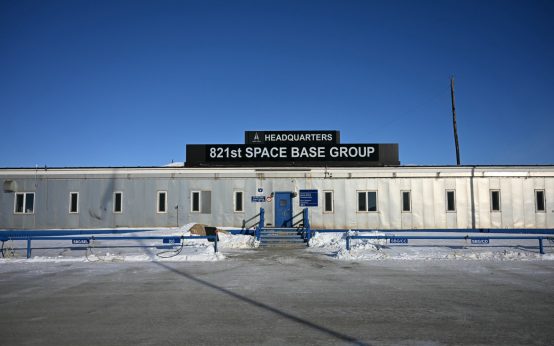 New U.S. Military Bases Planned in Greenland Amid Strategic Security Deal
 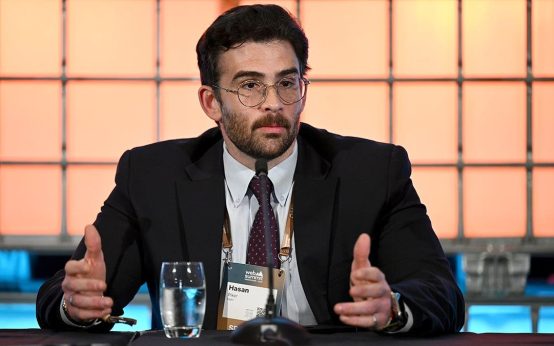 Twitch Streamer Hasan Piker Discusses Controversial Commentary
  A Shifting Political Landscape: The Decline of Autocratic Power
  Trump Delivers Warning to Iran, Cuba at UN General Assembly
 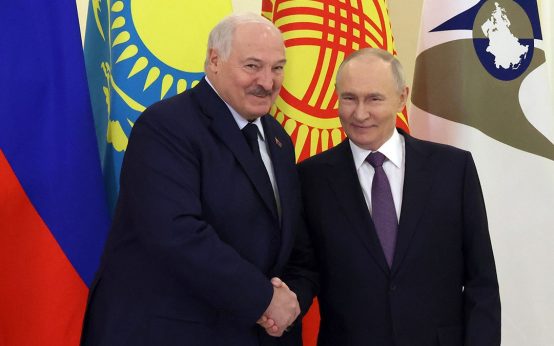 Lukashenko and Putin’s Unique Relationship and Belarus’ Strategic Role