Angel Leal Jr., an attorney in Doral, Florida, expresses profound distress over identity theft affecting his community. His personal data, including his image and voice, was illegally used to scam immigrants, damaging the Hispanic community he serves. The fraud involves fake contracts, forged signatures, and deceptive websites, misleading victims into believing they are getting legal immigration help. “They’ve gone to extremes,” Leal states, lamenting the impact on his reputation and his community.
Leal’s situation is part of a larger issue. The Federal Trade Commission reported over a million identity theft cases in the U.S. last year, with losses over $3.5 billion, marking an increase from previous years. Scammers targeting immigration lawyers by impersonating them adds to the challenges faced by immigrants in legal limbo. With over 3 million active cases in the immigration court system, there is a shortfall in legitimate legal services.
Adonia Simpson, of the American Bar Association, highlights that fear within immigrant communities, exacerbated by former political policies, increases vulnerability to fraud. The use of AI in scams has exploded, with technology creating fake videos and documents that look real. Many affected are already distressed, fearing detention of family members.
“We’ve seen many uses of technology with artificial intelligence: videos, photos, contracts that can look real.” – Adonia Simpson
Leal’s public profile made him a prime target for scammers. His social media videos were manipulated to make impossible promises regarding citizenship and residency. The deception typically starts on social media, moves to private messaging, and ends with WhatsApp, where victims part with their money through transfer platforms.
The scale of the fraud forced Leal to shut down all WhatsApp channels of his firm. He also hired a company to combat fake profiles on social media. Despite these expensive precautions, dealing with fraud victims remains a significant drain on his office’s time and resources.
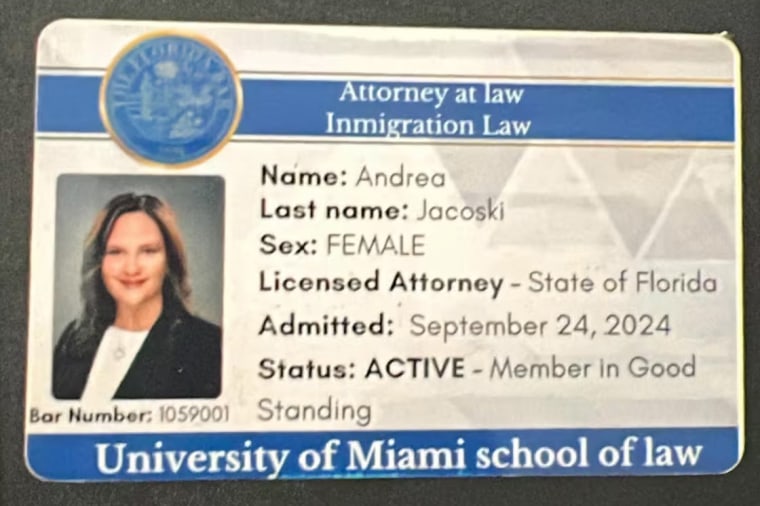
Andrea Jacoski, from the University of Miami School of Law, faces a similar threat. Her identity was used to create fake IDs and business cards, leading to distressing situations for scammed victims. One person missed a court hearing, believing a scammer’s promise to arrange another for a fee.
Jacoski took steps to report possible fraudulent activities using her credentials but worries about the broader implications as immigration law is federal. She reached out to bar associations and regulatory bodies, which acknowledge the prevalence of such frauds.
Lawyers are not the only targets. Institutions like the ABA have seen their logos misused for fake contracts soliciting payments for non-existent services, reflecting a sophisticated evolution in fraudulent schemes.
Eric Barragán Ramírez of Catholic Charities discovered a website misleadingly listing accredited representatives as affiliated with it. These fraudulent actions exacerbate the immigrants’ plight, often targeting low-income workers with limited digital literacy who turn to social media for information.
Scams are harmful beyond financial loss. Victims risk deportation over missed hearings or improperly filed applications. Some unknowingly carry fake documents, believing they have residency rights. Adding to this are fears of reporting scams because of precarious immigration statuses.
Efforts to combat such frauds continue, with federal agencies, bar associations, and dedicated individuals like Leal involved. Yet, the issue persists, demanding vigilance from both professionals and the public to ensure engagement with legitimate sources.
 Steve Lotysz: From Medinah’s Gates to Presidents Cup Artistry
  A Family’s Journey Through Cancer and Loss
  The Unlikely Intrigue of a 1990 NBA Trading Card
  Celebrating Day of the Dead: Students Craft Calaveras in Pilsen
  Family Conflict over Sentimental Necklace
  Cindy Crawford’s Son Presley Gerber Dies at 27