The U.S. House of Representatives, led by Republicans, approved a comprehensive security package on Thursday to provide military assistance to Ukraine. The package also imposes sanctions on Russia, presenting a strong challenge to the Trump administration, which opposed the bill.
A total of eighteen Republicans broke from their party to support the Democrat-driven legislation, resulting in a 226-195 vote in favor. California Representative Kevin Kiley, an independent aligned with Republicans, was among those endorsing the bill. However, Representative Ilhan Omar, a Democrat from Minnesota, was the only Democrat to oppose it.
Most House Republicans and GOP leaders stood against the bill, aiming to enhance Ukraine’s defenses amidst an increase in Russian missile and drone strikes during the conflict’s fifth year. The legislation now moves to the Senate, where it may face significant hurdles. According to a statement from the White House, the measure would conflict with President Donald Trump’s objective to end the ongoing conflict, leading to a potential veto.
The bill aims to limit the President’s actions by mandating a comprehensive U.S. approach to the Russia-Ukraine war, adding unfunded authorizations worth hundreds of millions.
This package would confirm U.S. support for Ukraine and NATO, approve over $1.5 billion in new security funds, and provide $8 billion in direct loans. It also extends a Pentagon program that sources weapons and military equipment for Ukraine. The legislation intends to impact Russia’s energy profits, vital for its war efforts, and target firms dealing with sanctioned Russian entities.
The White House cautioned that the required sanctions of the bill could disrupt the global economy. Nevertheless, Republican supporters argue that this should not be seen as defiance against President Trump.
South Carolina lawmaker Wilson expressed, “President Trump has stood with Ukraine, and I’ll continue that support by voting for this bill.” Despite opposition within the GOP, Wilson emphasized American solidarity with Ukraine.
Some Republicans opposed the bill, suggesting it does not genuinely aid Ukraine or confront Putin. Representative Randy Fine criticized the bill as a political move against Trump.
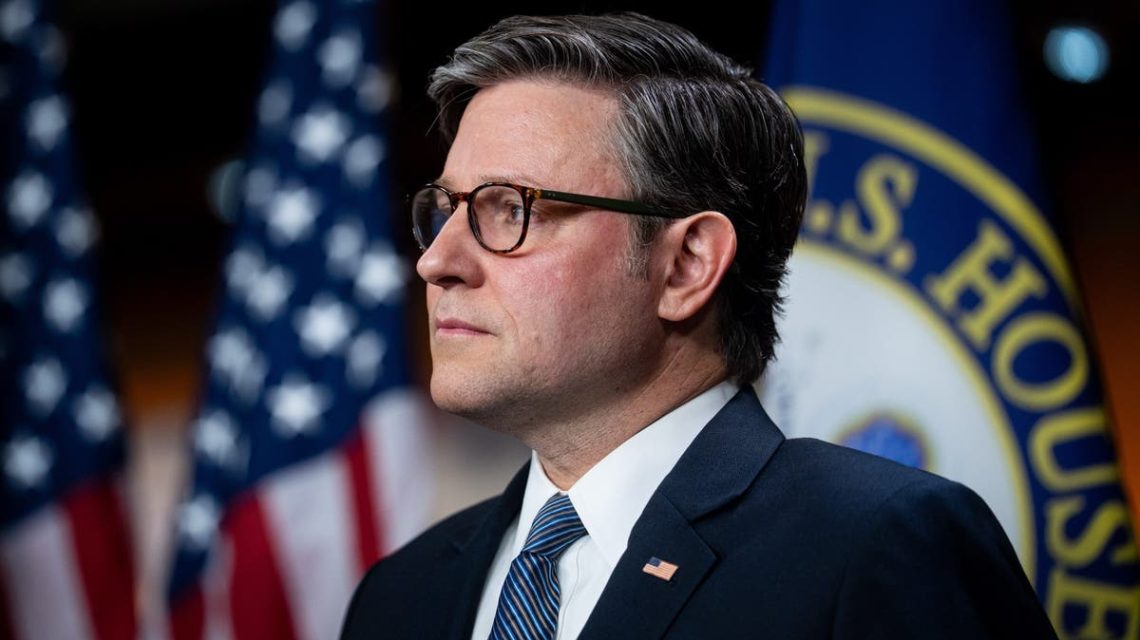
The bill, introduced by Representative Gregory Meeks, a New York Democrat, progressed after languishing in the House Foreign Affairs Committee. Its advancement came after Republicans signed a Democrat-led petition that forced a House vote, overriding Speaker Mike Johnson’s control.
House Minority Leader Hakeem Jeffries emphasized Democrats’ active governance despite their minority status, supporting the Ukraine measure. Some GOP members argued the bill was outdated. Rep. Ryan Mackenzie noted that the bill’s defense spending goals were surpassed by Trump’s deals in 2025.
The proposal offers a lower training and equipment budget for Ukraine’s military than last year’s defense policy authorized.
The bill could potentially prolong hostilities, affecting Europe, as Rep. Keith Self warned during House discussions.
Supporters countered that Ukraine crucially needs military aid amid stalled peace efforts. Bacon invoked historical resolve, urging the House to make the right choice.
 Sensitive Discussions During Trump’s National Archives Visit with Xi Jinping
  Zohran Mamdani’s Child Care Initiatives May Influence Other Leaders
  Ted Cruz Leads College Athletics Regulation Overhaul
  DOJ Investigates Former Trump Aide Amid Defamation Suit
  Escalating Tensions Between Russia and the UK
  Key Developments from Today’s News