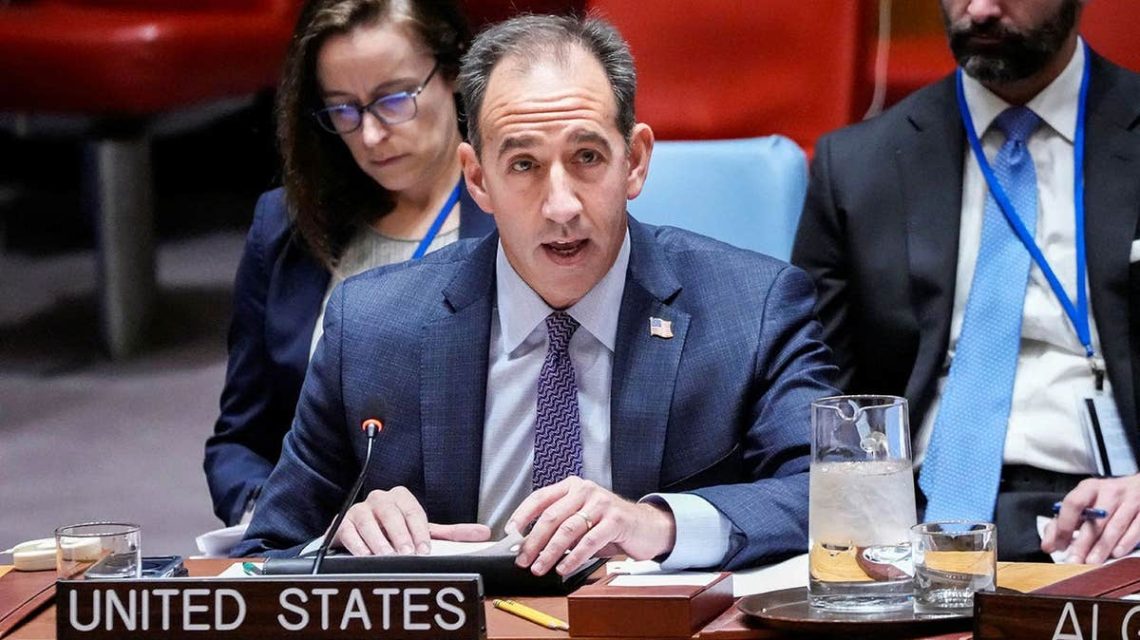
Jeff Bartos, nominated by Donald Trump as the U.S. ambassador for United Nations Management and Reform, faced skepticism during his Senate Foreign Relations Committee confirmation hearing in 2025. He had been warned that his role might not materialize due to longstanding perceptions of U.N. reform as unattainable.
In an exclusive interview, Bartos outlined significant changes taking place within the organization. These developments come amid a crucial time for the United Nations, which is dealing with financial challenges, leadership transitions, and increasing scrutiny from the Trump administration.
“UN reform? That’s an oxymoron if I’ve ever heard one,” lawmakers commented during Bartos’ hearing.
Bartos refers to $570 million slashed from the U.N. budget and the elimination of nearly 3,000 posts as groundbreaking achievements. All 193 member states had to reach consensus on these cuts, showcasing unprecedented cooperation in the U.N.’s 80-year history.
The call for U.N. reform is driven by a pressing financial crisis. Delays in member-state payments, including billions owed by the United States, have worsened liquidity issues. Bartos champions reform driven by the U.S., including changes in how peacekeeping contributions are reimbursed, aiming to cut superfluous expenses and encourage fiscal prudence.
While Bartos credits U.S. leadership for these reforms, some argue the initiatives began under U.N. Secretary-General António Guterres’ tenure. Guterres has emphasized the necessity of structural reform, warning against complacency and self-interest.
The U.S. administration remains focused on further reform. Upcoming negotiations will target peacekeeping budgets, seeking to streamline operations and eliminate outdated programs. Shifts in employee compensation and pension systems are also suggested following U.S. critique of resource allocation.
Bartos acknowledges the challenge is substantial as discussions begin with new secretary-general candidates. The goal is reducing bureaucracy and refocusing on foundational U.N. values. Despite these challenges, Bartos, a former endurance athlete, equates the mission to an Ironman triathlon; viewing it as a long-term endeavor requiring perseverance.
Bartos further committed to addressing perceived anti-Israel bias within U.N. systems. The scrutiny intensified after a U.N. report on conflict-related sexual violence cited Israeli forces. Ambassador Mike Waltz and Bartos aim to dismantle what they see as infrastructure supporting such biases.
Bartos believes in prioritizing diplomacy and strategic funding decisions to reshape the U.N.’s approach to critical issues, including its stance on Israel.
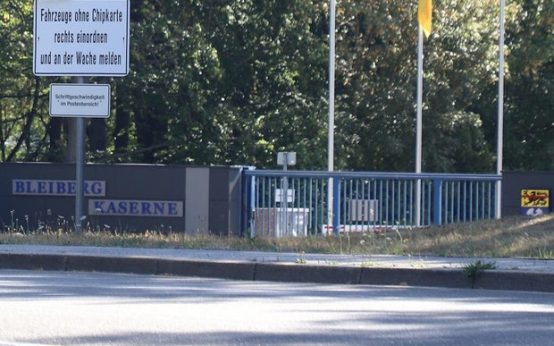 Drone Sightings Over German Military Base Raise Security Concerns
 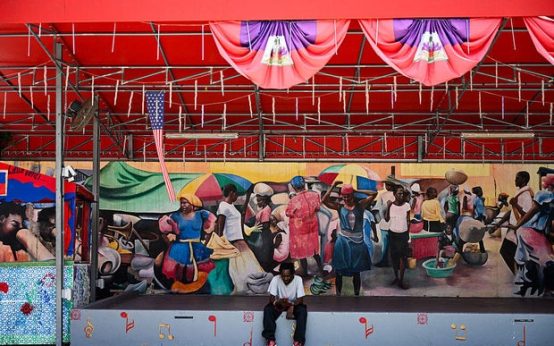 Pregnant Haitian Woman Faces Uncertainty as TPS Ends
  Iran Issues New Demands Over Strait of Hormuz
  Toddler Causes Flight Cancellation Due to Seat Belt Issue
  Pentagon Urges Defense Industry to Increase Weapon Production
  Middle East Developments: Iran’s Stance on Strait of Hormuz and Regional Tensions