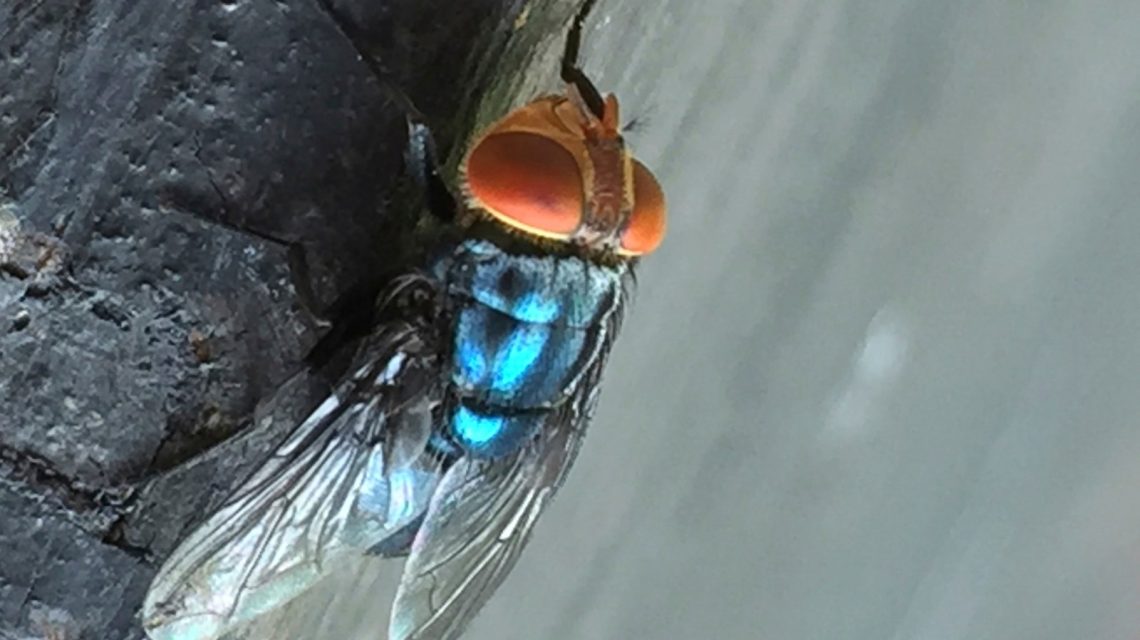
Screwworm Outbreak Confirmed in Texas
A second instance of the New World screwworm, a flesh-eating parasitic fly, has been detected in a Texas calf. This discovery follows Canada’s food inspection agency imposing a temporary ban on livestock from the area. The USDA reported the latest screwworm case in Zavala County, located approximately 5 miles from an earlier case found in La Pryor, Texas.
The USDA’s Animal and Plant Health Inspection Service (APHIS) confirmed the infestation after evaluating multiple suspect cases. Officials from APHIS and the Texas Animal Health Commission remain vigilant, conducting further tests in surrounding areas, with negative results thus far.
Preventative Measures and Economic Implications
The USDA has established a quarantine zone around the affected sites. Animals are prohibited from leaving the zone without inspection to curb the parasite’s spread. Quarantine measures aim to protect Texas, which leads the nation in cattle production—valued at $17 billion. An outbreak could significantly disrupt the cattle supply, affecting trade and beef prices.
Texas Governor Greg Abbott has taken proactive steps, expanding a disaster declaration. Resources are reallocated statewide to support the delivery of sterile flies intended to disrupt the parasite’s reproductive cycle. The governor emphasized past successful eradication efforts as motivation.
Canadian Livestock Restrictions
In response, the CIFA announced a temporary prohibition on the importation of livestock from Texas. Horses and other animals present in Texas within 21 days of the Canada-U.S. border crossing will be rejected.
The agency highlighted the threat posed by the fly larvae to host animals, while noting Canada’s colder climate limits its long-term survival. Nonetheless, summer months carry risk, making the import ban a prudent measure.
Veterinarians and animal owners are advised to monitor potential screwworm infestations in livestock. Symptoms include worsening wounds, discharge, and foul smells. Canadians traveling to Texas with pets are urged to remain vigilant.
Understanding Screwworm
The New World screwworm, a parasitic fly, targets warm-blooded animals by laying eggs in open wounds. The larvae feed on healthy tissue, potentially leading to severe, fatal injuries. Though primarily infecting livestock, wildlife, pets, and occasionally humans can be affected.
Spread and Symptoms
Infestations spread through the movement of infected animals, such as during trade or migration. In humans, symptoms include painful lesions and a sensation of movement in the wound. Secondary infections can cause fever and chills.
Pet Owners and Signs of Infestation
Dogs and cats are vulnerable to infestation. Screwworms target small wounds, with eggs hatching into larvae rapidly. Owners must check for wounds that worsen or become painful, swollen, or odorous.
Early indicators include persistent licking, biting at a sore, discharge, or visible larvae. Quickly addressing these signs is crucial, particularly for pets from high-risk areas.
Inspection is key to identification, according to Sally DeNotta from the University of Florida. She advises prompt veterinary attention upon noticing symptoms.
Sally DeNotta: “Owners should inspect their animals for non-healing or maggot-infected wounds.”
 Legal Challenges Arise Over GLP-1 Receptor Agonists and Vision Loss Risks
  States Move to Restrict Tianeptine Amid Growing Concerns
  Potential Changes in Medicare Reimbursement for Lab Tests
  Understanding and Addressing the Complexity of Suicide
  Recall of Meat Products from Star Meat Delivery Inc.
  Questions Arise After Presley Gerber’s Death in Rehab