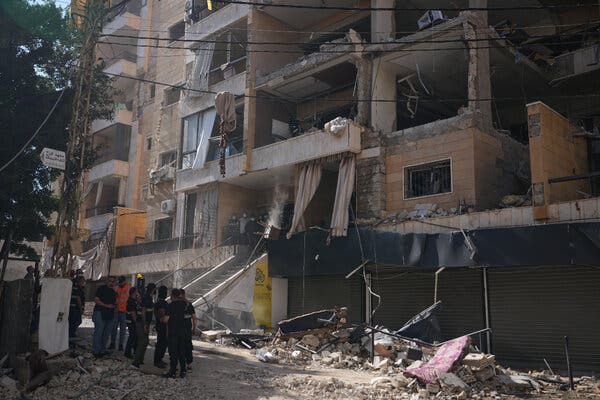
The ongoing tensions between Iran and Israel manifest strongly in Lebanon, where each nation seeks to establish its influence. The struggles to impose dominance have resulted in frequent clashes, impacting Lebanon significantly.
On a recent Sunday, Hezbollah, armed and supported by Iran, launched an attack on Israel. This action prompted an immediate military response from Israel targeting the southern suburbs of Beirut, a Hezbollah stronghold. In return, Iran retaliated by hitting northern Israel, escalating the regional conflict further.
Experts believe that both Israel and Iran’s leaders view Beirut as a critical line of conflict. Their uncompromising stances have led to heightened tensions that risk spiraling into a wider war. Lina Khatib of the Chatham House research institution in London points out that Lebanon remains caught in a battle of interests where neither Iran nor Israel shows willingness to back down.
Amid these tensions, President Trump pursued an end to the conflict involving the U.S., Israel, and Iran, though Iranian leaders demand any peace agreements extend to Lebanon. However, Israeli Prime Minister Benjamin Netanyahu rejects this, preferring to continue actions against Hezbollah without tying them to broader regional peace.
Netanyahu expressed that the reactions by Iran and Hezbollah to Israeli attacks aimed to set a new precedent unacceptable to him. Israel’s robust response signals a refusal to accept new terms laid out by its adversaries.
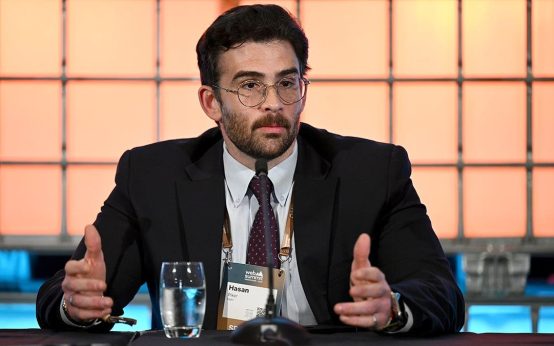 Twitch Streamer Hasan Piker Discusses Controversial Commentary
  A Shifting Political Landscape: The Decline of Autocratic Power
  Trump Delivers Warning to Iran, Cuba at UN General Assembly
 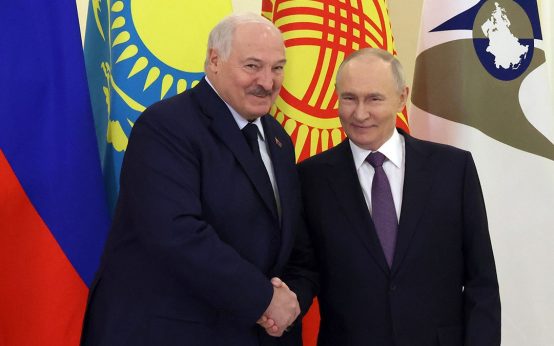 Lukashenko and Putin’s Unique Relationship and Belarus’ Strategic Role
  Alan Ritchson Faces Backlash Over Political Remarks
  Himalayan Pilgrimage: A Couple’s Narrow Escape and Lingering Questions