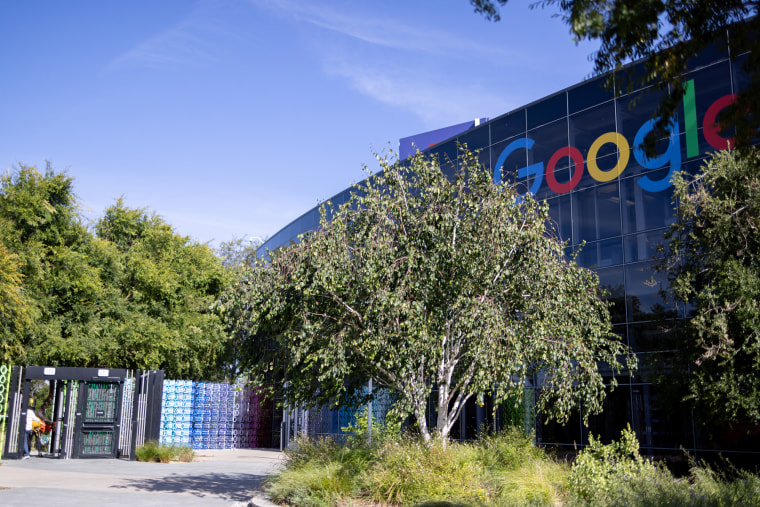
On June 9, 2026, a group of K-12 educators gathered at Google’s campus in Mountain View, California. They participated in a training session focused on integrating artificial intelligence into their teaching methods. The session offered strategies for addressing skepticism from colleagues, like the veteran English teacher resistant to new technologies.
The teachers used Google’s AI assistant, Gemini, to devise role-playing exercises. They demonstrated how generative AI could streamline lesson planning, cutting preparation time significantly. This approach aimed to show that AI could be beneficial, not burdensome.
The session was part of Google’s Educator Series, hosted to encourage the use of its products in schools. The program attracted 70 teachers and school technology directors and highlighted Google’s focus on AI education. Attendees were encouraged to address colleagues’ concerns by explaining how tools like Gemini and NotebookLM could alleviate existing challenges.
Public sentiment around AI in education has grown contentious, with some parents and organizations calling for reduced screen time and greater regulation. Despite this, AI’s role in education continues to expand. Some states require AI curriculum, and universities are investing heavily in AI platforms. However, many teachers lack formal guidance on leveraging AI effectively.
Jennie Magiera, Google’s global head of education impact, emphasized the importance of training educators to use AI responsibly. “Teachers and students will continue using AI as it evolves,” she stated, highlighting the necessity for proper training.
Educators welcomed the opportunity to learn about AI applications, finding relief in structured guidance rather than self-directed exploration. Karen Compton, an English teacher from Hawaii, expressed gratitude for the training, noting her increased responsibility to educate students about AI.
In May, Google introduced online training modules for K-12 educators and college faculty. These resources provide assistance in crafting lesson plans and understanding student learning difficulties. Google envisions teachers transitioning to a ‘learning conductor’ role by utilizing AI to handle demanding tasks.
Joseph South, at the training, argued that ignoring AI won’t prepare students for future challenges. He acknowledged emotional resistance but insisted on integrating AI in classrooms to ensure educational progress.
Google’s history of promoting its products in schools spans over two decades, with educational technology becoming a significant market for the company. Internal documents revealed the company’s long-term plans for AI in education, aiming to simplify data analysis and enhance personalized learning.
At the training, Magiera sought to demonstrate the transformative potential of AI tools. She acknowledged challenges but stressed the importance of supporting educators with training. Speakers focused on maintaining human oversight when using AI, endorsing its role as an augmentative tool rather than a replacement.
Educators explored practical AI applications in the classroom, like using Gemini to create educational comic strips or engage in Socratic seminars. Attendees left the program equipped with strategies to advocate for AI, despite anticipated resistance from some parents and educators.
Mike Amante, a technology teacher, expressed confidence in winning over skeptical peers by highlighting AI’s educational benefits. He noted that opposition wouldn’t halt AI’s integration into schools, underscoring the importance of the training they received.
 Virginia’s Data Center Plan Sparks Tensions Over Energy and Environmental Goals
  Cornerstone University Hosts Anti-Communist Event
  President Trump Proposes ‘Super Intelligence’ as New AI Term
  First Lady Melania Trump’s AI Education Push Amid Concerns
  Expansion of Data Centers Fueled by AI Development
  Impact of Removing Tax-Exempt Status from Private Schools