
The discussion on whether The Church of Jesus Christ of Latter-day Saints is a Christian denomination has been revived by the Pentagon’s revision of its list of Christian religions. While many Latter-day Saints consider themselves Christians, some Christian clergy and scholars disagree. They highlight differences in views on God, the Trinity, and separate scriptural texts not included in the traditional Christian Bible.
Political Leaders Challenge Exclusion
Utah Senators Mike Lee and John Curtis, both Republicans and members of the Latter-day Saints, disputed the Pentagon’s decision to exclude their faith from the Christian list. The Department of Defense’s recent action aimed to narrow a list of over 200 religious affiliations for service members, removing categories such as atheists, pagans, and Wiccans. Curtis defended his faith stating: “Latter-day Saints are among the most patriotic, service-oriented individuals in our country.” He emphasized that they are “unequivocally Christian” based on the church’s name.
Curtis further criticized the government’s portrayal of a faith contrary to how it identifies itself. This sentiment was widely echoed on social media. The Pentagon later removed the Christian label from 20 traditions, including Catholic, Lutheran, and Pentecostal, but still refrained from labeling Latter-day Saints as Christian. A statement clarified that the new structure was designed for chaplains to manage resources efficiently, not to question the legitimacy of any faith.
Latter-day Saints’ Christian Identity
The Church of Jesus Christ of Latter-day Saints claims nearly 18 million members worldwide, with a significant presence in Utah. The church stresses its tradition of military service, patriotism, and support for chaplaincy. Senator Lee remarked: “My church membership is inextricably intertwined with my Christianity.” The church’s website states it is a “Christian Church, neither Catholic nor Protestant,” restoring the church established by Jesus Christ in the New Testament. Members are encouraged to live by Jesus’ example through actions like baptism, prayer, and acts of kindness.
Understanding Differences in Theology
The debate about Latter-day Saints as Christians dates back to the church’s founding, approximately 200 years ago. Matthew Bowman, an expert in Mormon studies, explained that the primary theological difference is in defining God and the Trinity. While most Christian denominations consider God as spirit, Latter-day Saints see God as a human who achieved godhood. They reject the Nicene Creed, which defines the Trinity as one entity, instead viewing them as distinct beings.
The Catholic Church has long disagreed with categorizing Latter-day Saints as Christians, citing their differing beliefs about the Trinity. In 2012, the Vatican maintained that their baptismal rights could not be considered Christian due to these disparities.
Political and Social Tensions
Religious tensions have affected U.S. politics, particularly influencing evangelical Christians and Latter-day Saints within the religious right. Both groups often share conservative views on issues like abortion and LGBTQ+ rights. This divergence became pronounced during Mitt Romney’s 2012 presidential run. Many Latter-day Saints were surprised by evangelicals’ rejection of their Christian identity. Conversely, evangelicals expressed surprise at Latter-day Saints’ self-identification as Christians.
Recently, under Donald Trump’s influence, the historic alliance between these groups is becoming uncertain. Many young Latter-day Saints perceive evangelicals as increasingly antagonistic. Bowman noted a shift towards muscular Christianity among evangelicals, leading to beliefs that label Latter-day Saints as heretics.
LDS Chaplaincy Challenges
Philip McLemore, a former Latter-day Saint Air Force chaplain, shared experiences of discrimination and being overlooked for promotions due to his faith. He disclosed that some fellow Christian chaplains suspected Latter-day Saint chaplains of promoting their faith within the military. McLemore reflected on why other Christians might distrust Latter-day Saints, noting Mormonism’s claims of exclusive truth and authority could be unsettling.
Despite these issues, McLemore felt denominational affiliation mattered little in the military. Service members typically sought chaplains for help with personal issues rather than religious guidance.
AP reporters Konstantin Toropin and Tiffany Stanley contributed to this report. The Associated Press’s religion coverage is supported by a collaboration with The Conversation US, funded by Lilly Endowment Inc. The AP maintains sole responsibility for this content.
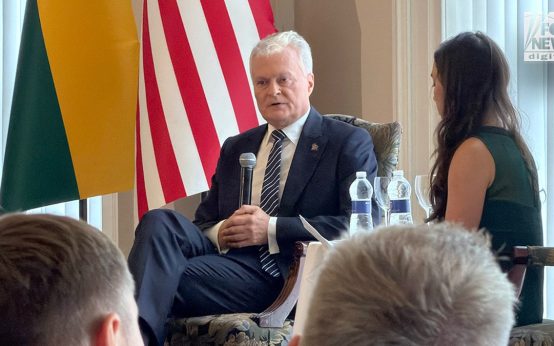 Lithuanian Leader Seeks U.S. Military Commitment Amid Rising Russian Threats
 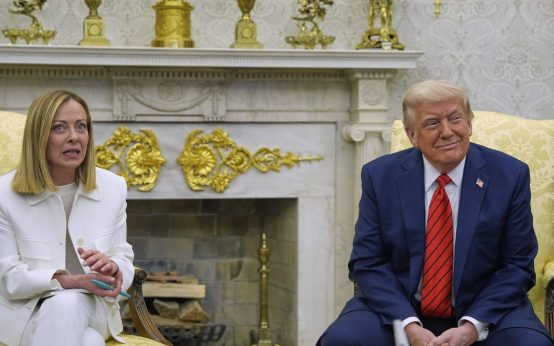 Italian PM Giorgia Meloni Skips UN General Assembly Amid Growing Tensions
 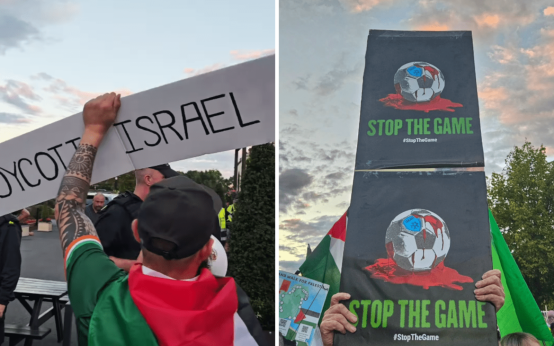 Calls Grow for Ireland’s Soccer Team to Boycott Matches Against Israel
 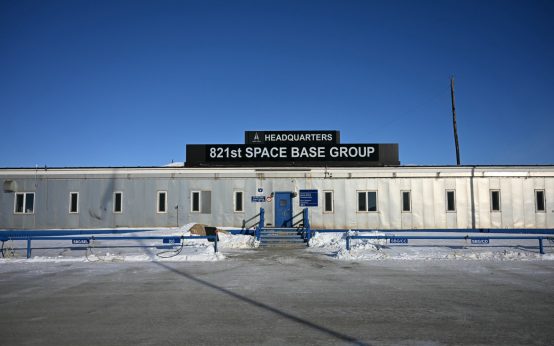 New U.S. Military Bases Planned in Greenland Amid Strategic Security Deal
 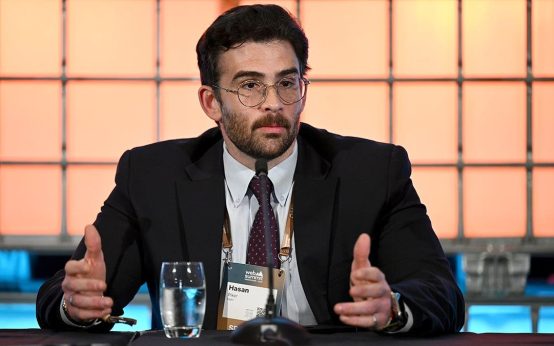 Twitch Streamer Hasan Piker Discusses Controversial Commentary
  A Shifting Political Landscape: The Decline of Autocratic Power