The world’s economy faces challenges as escalating energy prices contribute to rising inflation. A report by the World Bank highlights this trend, revealing how global growth is nearing its lowest since the Covid-19 pandemic.
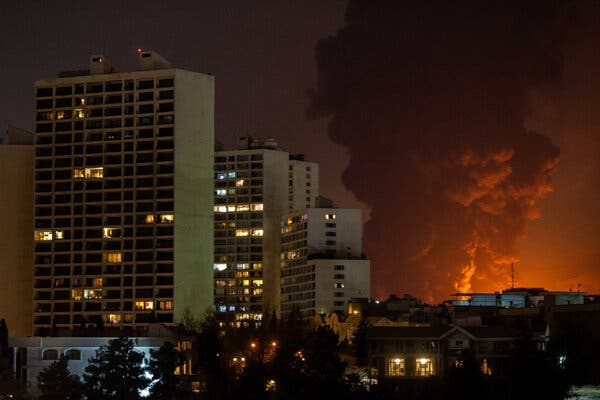
U.S.-Israeli strikes in Iran have severely disrupted cargo activities at the Strait of Hormuz. This has led to significant fluctuations in oil, gas, and fertilizer prices for several months. As supply chains struggle, inflation pressures mount, prompting fears of rising interest rates and a decline in global output.
The World Bank’s latest projections indicate a drop in growth rates, with a forecast of 2.5% for 2026, down from 2.9% in the previous year, 2025. Should the conflict intensify, it suggests output might plummet further to 1.3%.
“At some point in the not too distant future, we will be taking Kharg Island and other oil infrastructure points, and assume total control of their Oil and Gas Markets,” stated President Trump, hinting at future escalations.
Persistent inflation over the past four years has been exacerbated by the conflict. The World Bank anticipates global inflation to rise to 4% in 2026, up from 3.3% last year. This surge is substantially influenced by commodity prices, which unexpectedly increased by 22%, contrasting earlier predictions of a decrease.