The weekend ahead holds significant events for President Donald Trump. The U.S. hosts the World Cup for the first time in 32 years, a win Trump pursued aggressively in his first term. On Sunday, his 80th birthday, he attends a UFC fight night expected to attract a large crowd at the White House. Afterward, he will head to the G7 summit in France for discussions with global leaders.
Trump has raised expectations, hinting at a potential agreement with Iran to end a three-month war affecting global oil markets. He announced plans to send Vice President JD Vance to the agreement signing. Despite previous claims of imminent deals that did not materialize, Trump asserts this time may be different. Iran’s Foreign Ministry confirmed ongoing mediation but stated no conclusion had been reached.
Tensions escalated with Trump’s threats of intensified bombardment and plans to seize control of Iran’s oil industry. These tensions followed ineffective temporary ceasefires and retaliations between the two nations. Trump expressed confidence about reaching a deal, citing Iran’s willingness to negotiate after enduring the conflict’s severity.
Trump indicates the deal would block Iran from developing nuclear weapons. However, he acknowledges that details remain in the preliminary stages. His approach appeared to target the more aggressive segment of his political base, showcasing his readiness to increase U.S. military pressure if Iran delayed negotiations.
Despite discussions of escalating military action, Trump withdrew these plans, later announcing the proximity of a deal. Mediators, including Pakistan, Turkey, and Qatar, have reportedly progressed in facilitating talks with Iran.
“It really does appear to me that Trump wants to bring this to an end, but his real challenge is that he’s looking for a victory lap and an exit ramp and those two things are not necessarily compatible,” observed Ali Vaez of the International Crisis Group.
Iran’s recent attack on Israel complicated matters further. It challenged the assumption that Israel could strike Lebanon without response, increasing potential costs for U.S. involvement in supporting Israel.
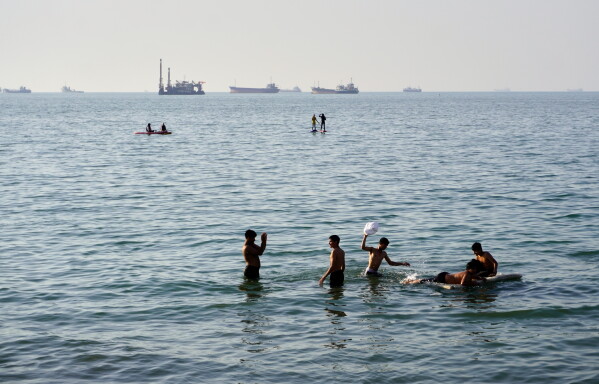
President Trump has expressed his frustration with how the war is perceived. He claimed victory, pointing to weakened Iranian military forces and leaders. Yet, Iran continues to disrupt the Strait of Hormuz, affecting global oil supply, and remains aloof to U.S. proposals concerning its nuclear activities. Trump criticized media portrayals of events, arguing they’d diminish a potential U.S. victory.
Rep. Michael McCaul suggested Trump’s impatience reflects strategic motivations to hasten negotiations. Public opinion polls indicate the American public’s disfavor with the conflict. Iran may strategically extend the conflict, aligning with U.S. midterm elections.
The war will undoubtedly be a crucial topic at the upcoming G7 summit in France. Trump has criticized several group leaders for their reluctance to support U.S. efforts in the conflict. These leaders have also criticized Trump’s unilateral approach and the economic repercussions of the war, citing rising oil prices.
Trump expressed optimism about securing an agreement with Iran before discussions in France, possibly reopening the Strait of Hormuz soon.
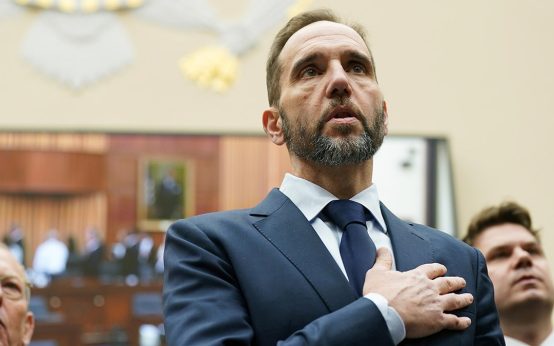 House Republicans Release Transcripts in Jack Smith Investigation
 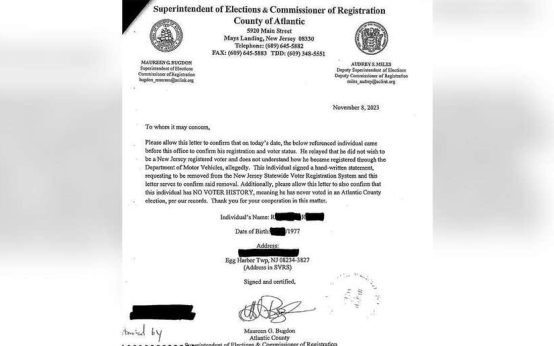 RNC Files Lawsuit for Transparency in New Jersey’s Voter Roll Maintenance
 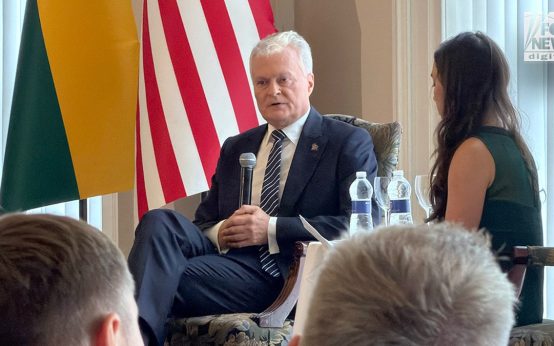 Lithuanian Leader Seeks U.S. Military Commitment Amid Rising Russian Threats
 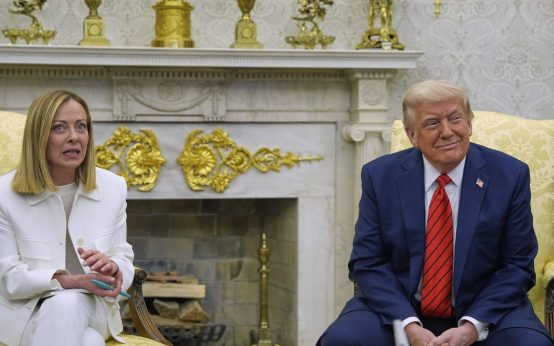 Italian PM Giorgia Meloni Skips UN General Assembly Amid Growing Tensions
 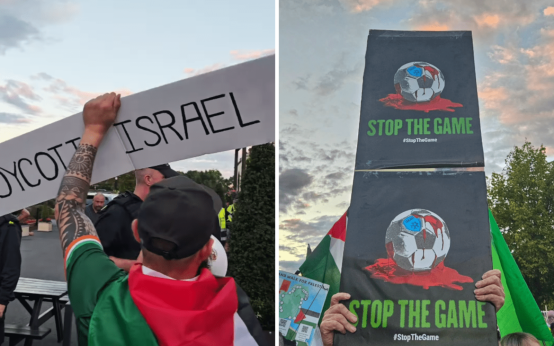 Calls Grow for Ireland’s Soccer Team to Boycott Matches Against Israel
 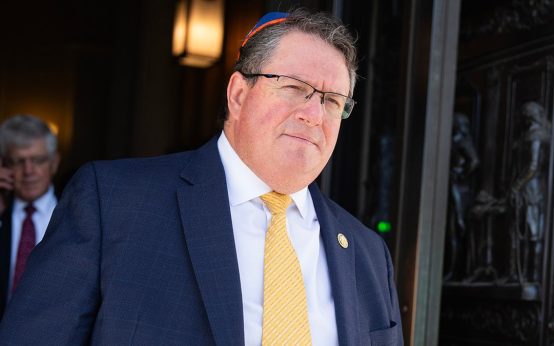 Congressman Randy Fine’s Bold Political Stance and Views on AI Regulation