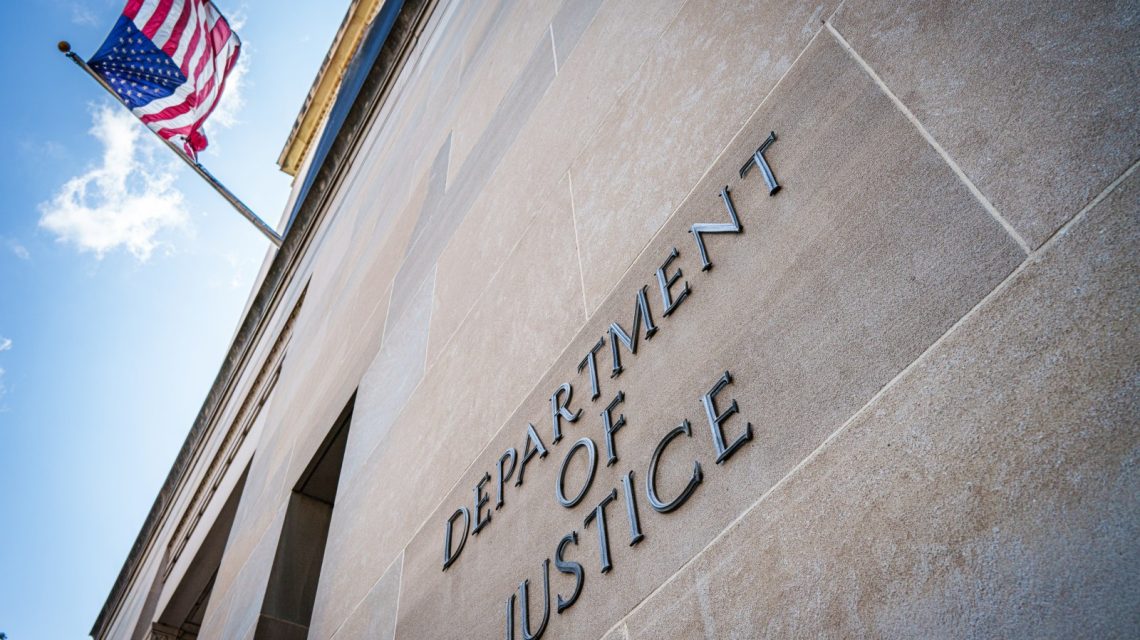
The U.S. Department of Justice (DOJ) is introducing a notable procedural change aimed at assisting certain survivors of human trafficking in acquiring green cards. This involves formalizing how these individuals request certification letters linked to criminal investigations.
On Tuesday, the DOJ’s Human Rights and Special Prosecutions Section published a proposal in the Federal Register. The proposal outlines a system for T-visa holders to formally request official confirmation that a trafficking investigation or prosecution related to their case has been concluded.
Q: What is the significance of this certification?
Under federal immigration law, obtaining such certification can enable eligible T-visa holders to apply for lawful permanent residence earlier than the typical three-year waiting period.
T-Visas Explained
T-visas permit eligible human trafficking victims to stay in the U.S. for up to four years. Generally, T-visa holders face a three-year wait before applying for lawful permanent resident status. If the attorney general or a designee certifies the completion of the relevant investigation or prosecution, they may apply sooner.
According to U.S. Citizenship and Immigration Services, to qualify for T nonimmigrant status, applicants must typically meet these criteria:
- They were victims of trafficking involving force, fraud, or coercion.
- They are physically present in the U.S. or at a port of entry due to that trafficking.
- They can demonstrate severe harm if removed from the U.S.
- They have complied with ‘reasonable requests’ from law enforcement in trafficking investigations.
Minors and certain trauma survivors are exempt from these cooperation requirements.
Impact on Green Card Applicants
Adam Klein, co-founder of Globali.ai and a former Department of Homeland Security official, noted the potential upsides and downsides of the change. A clearer process might expedite approvals and reduce uncertainty. However, formalizing discretion risks adding procedural hurdles. Details will be crucial, Klein explained.
The DOJ’s proposal does not alter eligibility criteria but introduces a standardized process for requesting certification letters, essential for early adjustment of status.
Number of People Affected
Approximately 2,000 individuals could annually submit such requests, with each application taking about three hours to complete. The affected group includes T-visa holders, a subset of the thousands of trafficking victims who received these visas in recent years. The Department of Homeland Security approved over 9,000 T-visas between 2021 and 2025.
The DOJ is soliciting public comments for 60 days on the proposed process, including its necessity and potential improvements. Klein emphasized the importance of this process for timely and meaningful relief for survivors, as formalizing it could significantly impact access to permanent residence.
This change reflects an effort to enhance consistency, as certification practices have varied across agencies. The DOJ aims to create a standardized approach with clearer procedures and accountability, reducing inconsistencies and making the process more predictable for applicants and law enforcement. Previously managed through informal and varied agency practices, the new proposal seeks to eliminate unpredictability.
Next Steps
The public comment period concludes on August 17. Klein advised stakeholders to focus on how much discretion remains in the system, particularly regarding who can issue certifications, required evidence, and recourse available for denied requests.
 Sen. Tom Cotton Opposes Year-Round Daylight Saving Time Amid Trump Pressure
  Pressure Mounts on Democratic Governors to Join Trump’s Federal Scholarship Program
  A Meeting with Steve Hilton’s Vision Amid California’s Political Dynamics
 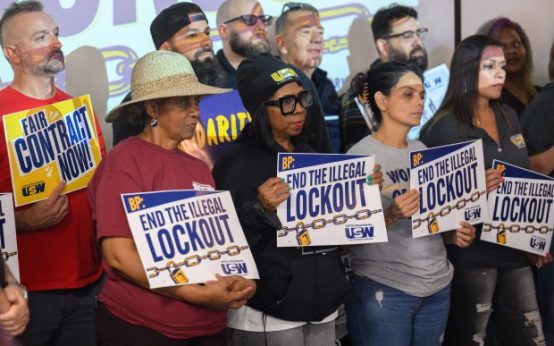 BP Lockout Spurs Push for Indiana Legislation on Unemployment Benefits
  Urgent Reforms Needed in Republican Nomination Process
  Debate Heats Up Over Permanent Daylight Saving Time