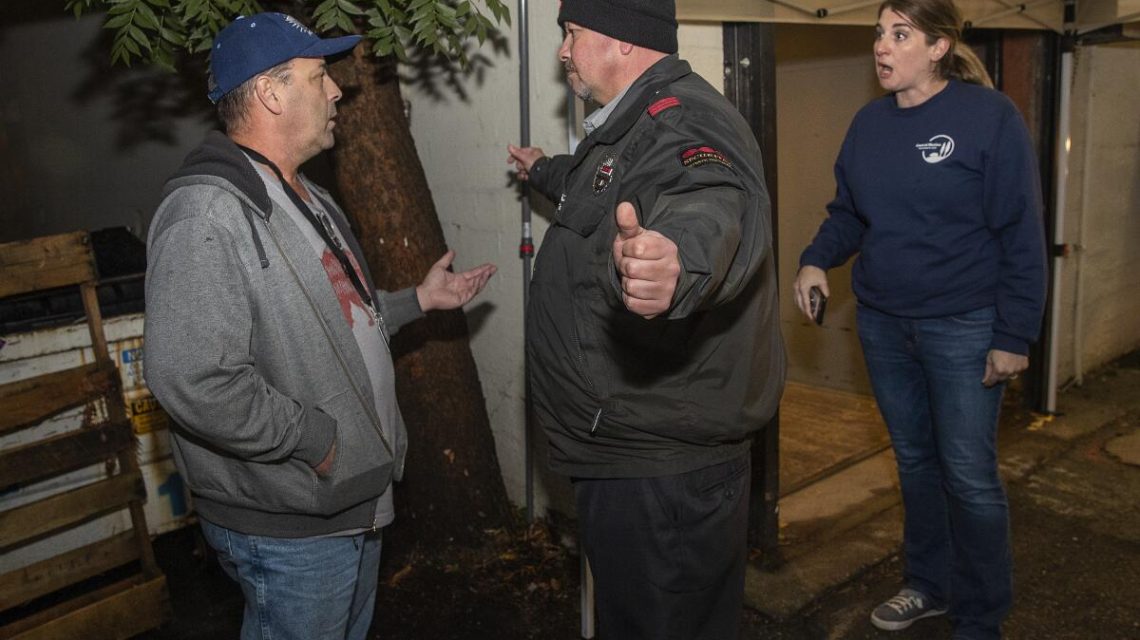
Tensions Rise in Shasta County Over Voting Measure
The vote count following California’s June 2 primary drew attention due to delays and unfounded cheating accusations from President Trump. While these issues played out prominently in urban areas, Shasta County in Northern California has become a battleground for election integrity concerns.
Voters in Shasta County recently approved Measure B, a significant change to local voting methods. This measure aims to curb mail-in voting and mandates government-issued photo identification for in-person voting.
California’s Legal Response
The measure’s legality is currently under scrutiny. Last Friday, California Attorney General Rob Bonta and Secretary of State Shirley Weber filed a lawsuit against Shasta County in the 3rd District Court of Appeal. They contend that Measure B breaches state election laws and should be annulled before the November election.
“Measure B is legally indefensible. It directly conflicts with state law and threatens to upend the orderly administration of elections,” Bonta stated.
The state’s lawsuit stresses the importance of uniform election rules across California. It cites the need for a swift ruling as election officials gear up to distribute voter information guides and ballots for November.
Skepticism and Controversy
Election skepticism has a history in Shasta County. In 2023, responding to baseless fraud claims, the Board of Supervisors replaced machine votes with hand counts. This move affected over 110,000 registered voters, prompting new laws prohibiting such practices.
Clint Curtis, appointed registrar of voters last year, supported Measure B and faces legal challenges cited in the state’s lawsuit. He also reduced the number of ballot drop boxes in the county, fueling further controversy.
Despite skepticism, local leader Richard Gallardo anticipated legal challenges following the measure’s approval. He argues that the measure reflects the voters’ will, and therefore, requires vigorous defense in court.
State’s Legal Precedents
California’s legal history shows a pattern of upholding uniform voting procedures. A similar case earlier involved Huntington Beach, where courts rejected a local voter ID mandate. This precedent may influence the outcome of Shasta County’s current legal battle.
The ongoing case highlights the broader debate over local versus state control of election laws. It underscores the tension between ensuring election integrity and maintaining accessible voting options for residents.
The courts’ decisions in these matters could have significant implications for future electoral procedures not only in Shasta County but potentially across California.
 Italian PM Giorgia Meloni Skips UN General Assembly Amid Growing Tensions
  Calls Grow for Ireland’s Soccer Team to Boycott Matches Against Israel
 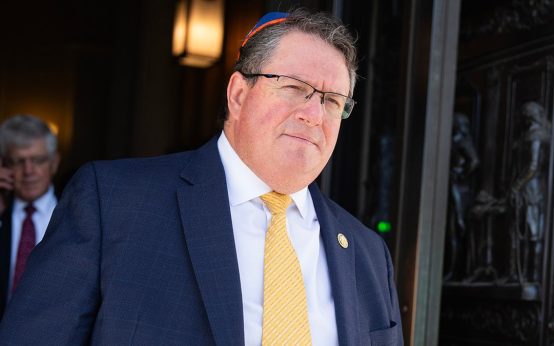 Congressman Randy Fine’s Bold Political Stance and Views on AI Regulation
 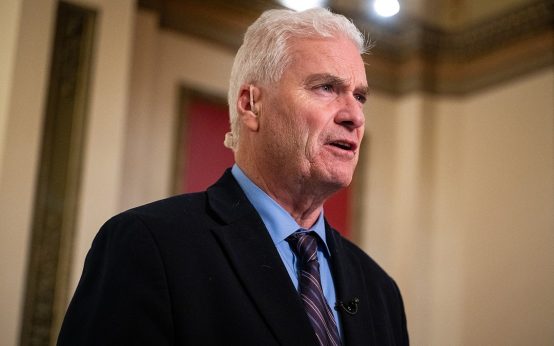 Political Messaging and Strategy Leading Up to Midterms
  President Trump Proposes ‘Super Intelligence’ as New AI Term
  Trump Administration Considers Diesel Export Ban Amid Rising Prices