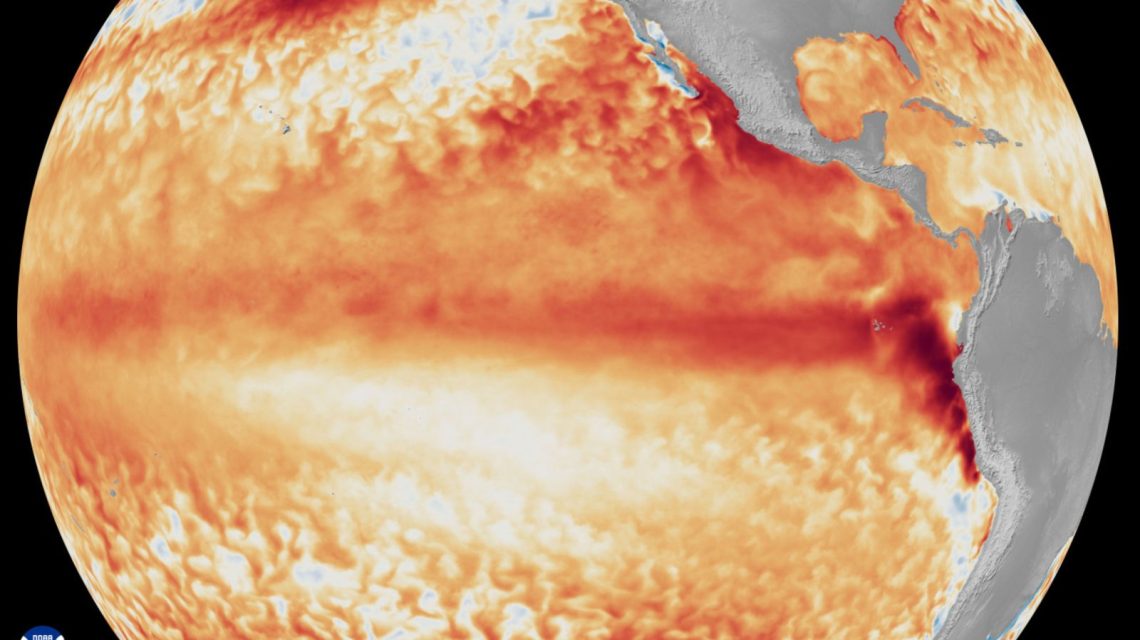
The El Niño climate pattern has developed in the tropical Pacific. According to Australia’s weather bureau, this event could become one of the most intense in seventy years. The Bureau of Meteorology announced that ocean and atmospheric conditions confirm El Niño’s presence. This phenomenon is marked by unusually warm sea-surface temperatures in the central and eastern Pacific Ocean.
Experts forecast that El Niño will strengthen through the latter half of 2026. Several models suggest it may rank among the most powerful recorded since 1950. The Bureau of Meteorology highlighted that forecasts indicate a strong to very strong event due to warming in the central tropical Pacific. Approximately half of the models predict that this event could reach peak levels among the highest observed since 1950.
Implications for Australia
Australia is particularly vulnerable to El Niño events, often experiencing below-average rainfall and above-average temperatures. The Bureau has indicated that from July to September, southern and eastern Australia will likely have less rainfall. Meanwhile, most areas, except parts of the north, will face above-average temperatures.
The bureau noted that El Niño can lead to increased frost potential and fire risks, affecting crops and livestock. Australia’s role as a major exporter of wheat, sugar, and beef makes its agricultural outcomes vital to global food markets. An earlier El Niño from 2023 to 2024 led to the driest period recorded in parts of the country. The powerful 2015-2016 El Niño caused severe drought and decreased grain and oilseed production.
El Niño events usually last six to twelve months, sometimes extending up to two years. Forecasts for the current event suggest it will continue into 2027.
Effect on the United States
In the U.S., El Niño impact is most pronounced in winter. The warming of the Pacific Ocean changes the jet stream’s position, affecting storm tracks. A typical El Niño winter brings wetter and stormier conditions to the southern U.S. The shift in the Pacific jet stream southward increases rain and mountain snow chances in California, the Southwest, the Gulf Coast, and parts of the Southeast.
While more precipitation can replenish reservoirs and relieve drought, it can also heighten flood and mudslide risks. Northern U.S. often sees milder winter temperatures during El Niño. The National Oceanic and Atmospheric Administration notes warmer winters in northern states, lessening heating needs and cold outbreaks.
Additionally, El Niño might impact the 2026 Atlantic hurricane season. Strong upper-level winds linked to El Niño can suppress hurricane and storm development in the Atlantic.
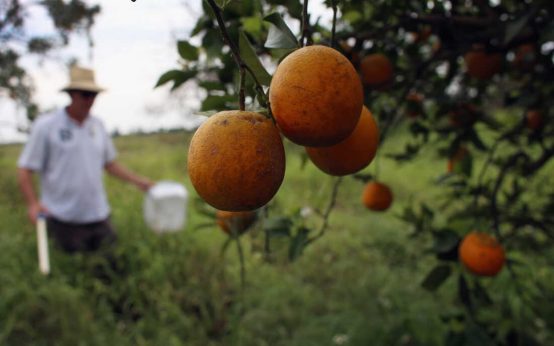 Florida Citrus Growers Use Gene-Editing to Combat Citrus Greening
 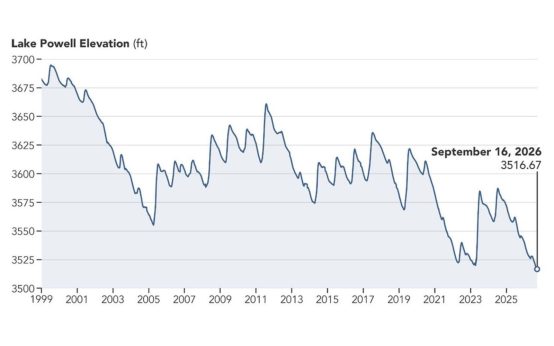 Satellite Images Reveal Lake Powell’s Dramatic Decline Over Nine Years
 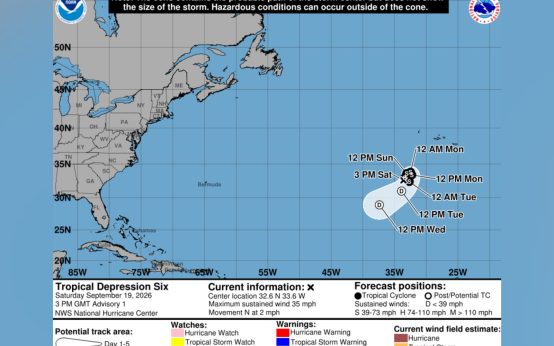 Tropical Depression Six Forms in the Atlantic Amid Quiet Hurricane Season
  Fat Bear Week: Celebrating Resilient Giants and Ecosystem Conservation
  Concerns Surface Over SpaceX Facility in Louisiana
  Understanding Pyrocumulonimbus Clouds Through NASA’s INSPYRE Mission