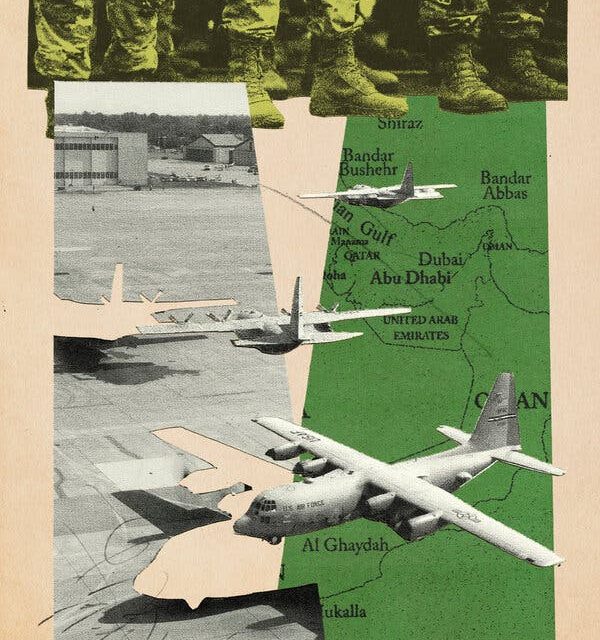
President Trump declared victory when the 106-day conflict with Iran concluded. A subsequent agreement signed at Versailles signified that the war was effectively finished.
The administration portrayed this as a victory achieved through decisive military action. Iran’s military capacity diminished and its economy suffered, yet its government remains and its nuclear activities persist.
Despite claims of success, major costs are clear. U.S. bases in the Middle East, once seen as secure, now look vulnerable. The Navy base in Bahrain faced evacuation after anticipated attacks, and the air base in Qatar reportedly became nonfunctional.
Nations hosting U.S. bases, such as Qatar, question the benefits of supporting the American military. This impacts the perception of U.S. protection being unreliable.
The war exposed a reality. The United States is not the uncontested global power it once was. This marked a significant shift in international dynamics.
Experts suggest the administration’s mixed messages reflect an attempt to grapple with a substantial strategic loss. The narrative struggles to accommodate this new status quo.
 Twitch Streamer Hasan Piker Discusses Controversial Commentary
  Experts Doubt Export Ban Will Lower Fuel Prices
  A Shifting Political Landscape: The Decline of Autocratic Power
  Trump Delivers Warning to Iran, Cuba at UN General Assembly
  Trump Delivers Stern UN Speech on Iran, AI, and Global Security
 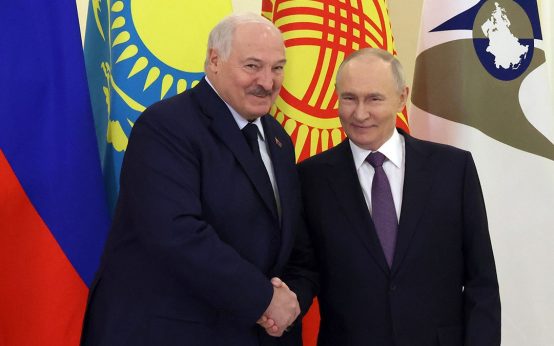 Lukashenko and Putin’s Unique Relationship and Belarus’ Strategic Role