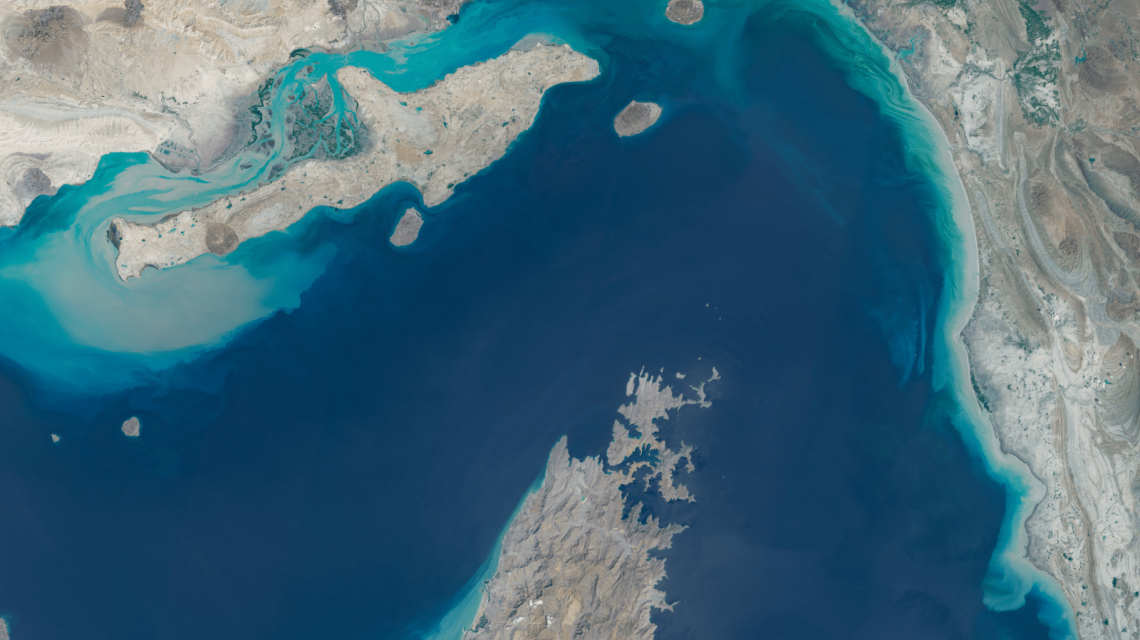
President Donald Trump stated on Truth Social that Iran will not charge fees to ships passing through the Strait of Hormuz during a 60-day ceasefire period. He warned that if talks fail, the United States might impose tolls instead, viewing it as compensation for security. This marks a new issue in negotiations over the strait, a vital oil passage that was previously toll-free before the conflict began in late February. It has now become a leverage point for both parties involved.
Current Ceasefire Agreement
A broader ceasefire deal was reached this week between the U.S. and Iran. It includes a 60-day toll-free period for the strait and a pause in fighting across multiple areas. The two sides now diverge on what happens next. Talks are set for Sunday in Switzerland. The question of who controls the strait and potentially profits from it has become a crucial test for the broader deal.
Why Hormuz Matters
The Strait of Hormuz is crucial for global oil and gas transport. It is among the most strategically significant waterways globally. Before the conflict, vessels used the passage without mandatory tolls, following international norms.
This changed after the conflict began on February 28. U.S. and Israeli strikes on Iran led to regional escalation. Iran then tightened control over maritime access, affecting traffic and raising global energy issues. The strait quickly became central to both military strategy and diplomatic negotiations.
Post-Ceasefire Terms
The current ceasefire terms clarify that Iran will not charge ships during the 60-day negotiation period.
The debate is over what happens afterward. Trump insists that the strait should stay toll-free beyond the ceasefire. Iranian officials suggest that the suspension of fees is temporary and depends on the ongoing negotiations. This disagreement is one of the clearest divides between the two parties as they prepare for formal talks.
Iran’s Fee Structure
Iran has started creating a framework to support its stance. A regulatory body oversees ship movements and manages transit-related payments, formalizing control over access to the strait.
Future charges are described as fees for services like navigation support, security, and environmental protection, not as formal tolls. Oman is involved in discussions on coordinating these services. The Gulf state, situated across the strait from Iran, is expected to help define traffic management after the ceasefire ends.
This places Tehran in direct opposition to Trump’s position. Trump rejects any charges imposed by Iran and suggests the U.S. might seek compensation if discussions break down.
Early Risks in Talks
Negotiators plan to meet Sunday to begin technical talks on a final agreement. They will focus on unresolved issues such as sanctions, security arrangements, and the future of shipping through Hormuz.
Even before talks begin, the agreement faces an early challenge. Iranian military officials declared the strait closed again due to alleged deal violations. U.S. officials countered, stating that traffic continues.
This dispute coincides with renewed fighting in Lebanon between Israel and Iran-supported Hezbollah. Both accuse each other of breaking ceasefire terms tied to the broader agreement. The deal relies on a pause in hostilities across multiple fronts. Any escalation could impact the U.S.-Iran negotiations.
With the ceasefire period underway, the management of the Strait of Hormuz—and whether it remains toll-free—sits at the heart of a deal that could influence regional stability and global energy flows.
 Trump Delivers Warning to Iran, Cuba at UN General Assembly
  Lukashenko and Putin’s Unique Relationship and Belarus’ Strategic Role
  Alan Ritchson Faces Backlash Over Political Remarks
  Himalayan Pilgrimage: A Couple’s Narrow Escape and Lingering Questions
  Former CEO Sentenced for Bank Fraud and Sanctions Evasion
  Russia’s Potential Incursion Into Estonia: NATO’s Resilience Under Scrutiny