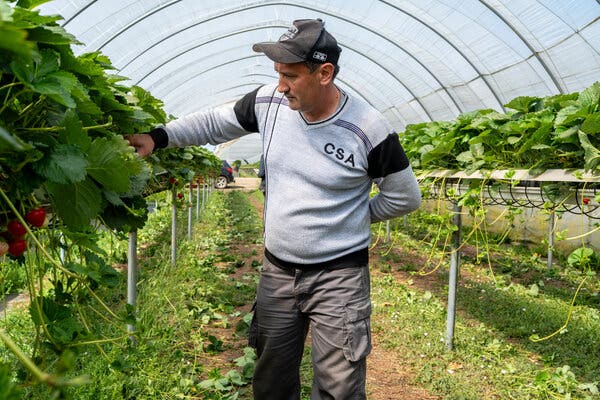
Ten years post-Brexit, Britain’s agricultural sector heavily depends on seasonal workers from Central Asia countries like Kyrgyzstan and Tajikistan. Farm leaders assert that without these workers, numerous farms would struggle to survive.
Shukrat Djuraev, working at Homefield Farm in Kent, England, embodies this shift. Despite being over 3,000 miles from his native Uzbekistan, he finds satisfaction in the stability and tranquility of his work pruning strawberry plants in the greenhouses of Kent.
Prior to Brexit, British farms commonly employed workers from Eastern Europe. The European Union exit altered this dynamic, as those workers lost their rights to remain employed in Britain, leading many to speculate that foreign labor presence would decrease. Contrary to these assumptions, Britain has adapted by sourcing farm labor from Central Asia, facilitated through six-month visas.
Brexit’s advocates, including Nigel Farage, argued that leaving the EU would enable the country to regain control over its borders. A decade later, immigration continues to be a contentious issue, impacting political dynamics significantly. For the Labour Party, it has become a pressing challenge.
Nigel Farage’s latest political innovation, Reform U.K., represents a major force in the immigration debate. Gaining traction in opinion polls and recent local elections, Reform U.K.’s rise has caused political upheaval, contributing to the resignation of Prime Minister Keir Starmer.
 Calls Grow for Ireland’s Soccer Team to Boycott Matches Against Israel
 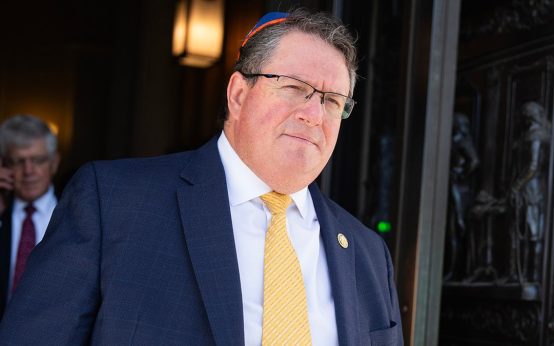 Congressman Randy Fine’s Bold Political Stance and Views on AI Regulation
 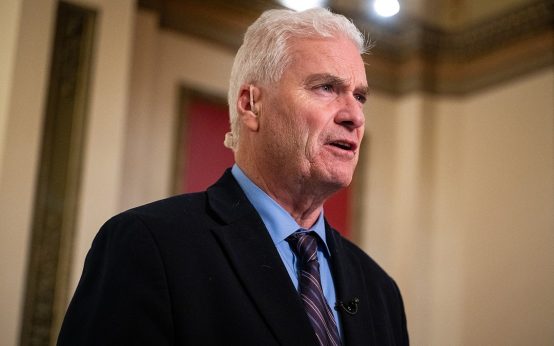 Political Messaging and Strategy Leading Up to Midterms
  President Trump Proposes ‘Super Intelligence’ as New AI Term
  Trump Administration Considers Diesel Export Ban Amid Rising Prices
 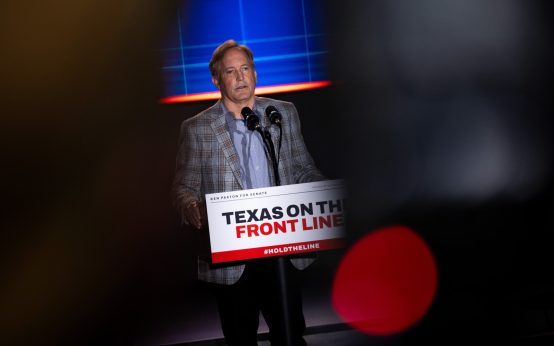 Texas Senate Race Tightens with Shifting Youth Support