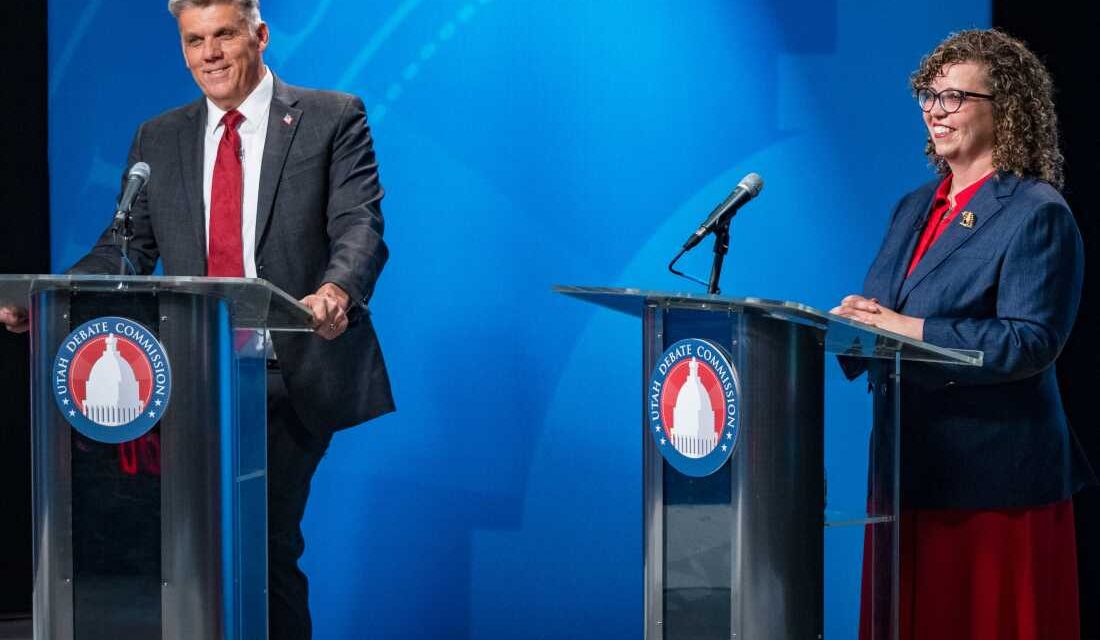
In Utah, a state with strong Republican roots, the relationship with former President Donald Trump has always been complex. The state’s voters last supported a Democrat for president in 1964, when Lyndon B. Johnson was elected. Yet Utahns gave Trump the smallest margin of victory among Republican states in 2016, with less than half of the vote. While Trump gained support in 2020 and 2024, his approval never surpassed 60%.
Conservative Candidates, New Strategies
As Republican candidates vie for congressional seats, they maintain their conservative values but avoid spotlighting Trump’s influence. Chris Karpowitz, a political science professor at Brigham Young University, suggests this is intentional. According to Karpowitz, campaigning solely on Trump’s platform may not resonate with Utah voters like it might in other Republican states.
“Many Republican voters in Utah have made their peace with Donald Trump enough to vote for him,” Karpowitz said. “But that doesn’t mean they support his style or some of his policies.”
Utahns are fiscally and socially conservative but find Trump’s approaches to certain issues, like immigration, unappealing. Additionally, Trump’s contentious remarks about Islam and other faiths have not sat well in a state heavily linked to the Church of Jesus Christ of Latter-day Saints.
A Safe Republican Seat
In Utah’s 3rd Congressional District Republican primary, both candidates support Trump yet refrain from discussing him. Rep. Celeste Maloy and former state Rep. Phil Lyman focus on local issues affecting the district, which was reshaped during mid-decade redistricting. The vast district covers rural areas, national parks, Park City, and parts of Salt Lake City suburbs, making it one of the reddest in the U.S.
Maloy is seen as an establishment candidate, dedicated to policy, while Lyman aligns with the America First, Freedom Caucus approach. Lyman, who has previously run for governor, emphasizes limiting federal overreach and enhancing rural community viability.
“I believe in the Constitution. I believe that a government closer to the people is better. I don’t like centralized power,” Lyman stated.
Campaign Strategies and Voter Engagement
During campaign efforts in Utah County, Lyman’s volunteer team highlighted transparency and fighting government corruption, without mentioning Trump. Meanwhile, Maloy focused on her legislative accomplishments, defending her policy-driven work without labeling them as “Trump tax cuts.”
In a primary debate, Maloy highlighted her involvement in House Appropriations and Natural Resources Committees, emphasizing benefits for her district. Despite her work and Trump’s endorsement, Maloy narrowly won at the Republican nominating convention.
Endorsements and Ambivalence
With Trump endorsing Maloy again, political science experts believe such endorsements might not impact Utah as strongly as in states like Texas and Kentucky. Damon Cann, from Utah State University, noted that Utah’s Republican delegation successfully balances running as GOP members without strict alignment to Trumpism.
“Republicans in Utah are ambivalent enough about Donald Trump that I don’t think his endorsement has the same weight it might in other states,” added Karpowitz.
 Poll Reveals Voter Preferences Between Socialist Democrats and MAGA Republicans
  Challenges of Electing a Female President: Insights from ‘The View’
  Upcoming Concerns and Influence in Health Politics
  Rep. Donalds Distances Himself from Trump as Florida Governor Race Tightens
 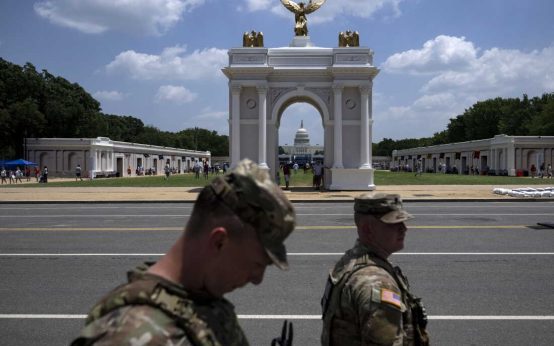 Controversy Surrounds President Trump’s Proposed D.C. Arch
  AOC and the 2028 Presidential Election: Gender, Race, and Politics