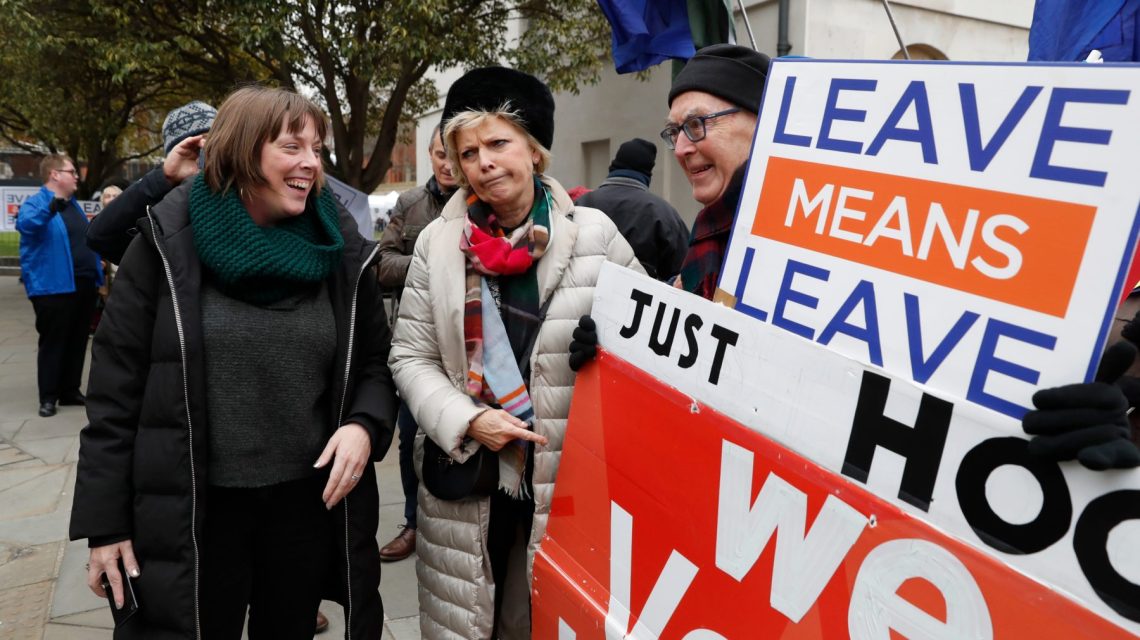
The decision to leave the European Union fractured the EU and caused upheaval in British politics. The UK will soon have its seventh prime minister since June 23, 2016, marking a decade since 52% of Britons voted to leave the EU after more than four decades of membership. Conservative Prime Minister David Cameron, who initiated the referendum while advocating for staying in the bloc, stepped down the following day. His successors struggled with Brexit’s challenging repercussions.
Labour Prime Minister Keir Starmer announced his resignation on Monday after two years marked by economic stagnation, ineffective governance, and a fractured electorate, issues partly stemming from Brexit. Although the issue has faded from headlines, Brexit continues to influence Britain’s turbulent politics, according to Chris Grey, an academic focused on the aftermath of Brexit.
Promises and Disillusionment
Brexit campaigners promised that leaving the 28-member bloc would enable the UK to regain control over laws, the economy, and borders. While the Remain campaign highlighted economic downsides, the Leave side harnessed emotive rhetoric. During the referendum, Boris Johnson, a prominent Brexit advocate who later became prime minister, stressed the opportunity to seize a unique chance for a brighter future.
Margaret MacMillan, a professor of history, noted that Brexit motivations included nostalgia for a perceived past and opposition to what people viewed as excessive immigration and EU regulations. However, Brexit’s potential outcomes were never clearly outlined.
Challenges in Implementation
Reality quickly clashed with Brexiteers’ promises of controlling immigration, securing trade deals, boosting public services funding, and reducing Brussels-imposed regulations. The UK officially left the EU on January 31, 2020, with a transition period that lasted until the end of 2020.
Theresa May, Cameron’s successor, resigned in 2019 after failing to secure exit terms agreeable to a divided Parliament. Boris Johnson replaced her, vowing to complete Brexit, which he managed through a minimal trade deal that soured UK-EU relations. Johnson was removed from office by his party in 2022 due to financial and ethical scandals. Afterward, Liz Truss served briefly and was succeeded by Rishi Sunak, who improved EU relations without major reforms.
Political Consequences
Former Prime Minister David Cameron called the referendum expecting to resolve the Conservatives’ internal disputes over Europe, but it did not. Conflicts persisted as some Conservatives sought a softer Brexit, while others, led by Brexit hard-liners, took control of the party. Labour also faced division between EU supporters and senior leaders like Starmer, who preferred not to reopen old debates.
Many voters have switched from the Conservative and Labour parties to alternatives like the Green Party and Nigel Farage’s Reform UK, driven by Farage’s anti-immigration stance, which has evolved since Brexit. Farage emerged as a significant political figure post-Brexit.
Cynicism and Economic Struggles
In the past decade, the economy faced trade barriers with European neighbors, alongside challenges from global events like the COVID-19 pandemic and conflicts involving Russia, Ukraine, and Iran. Hannah White from the Institute for Government highlighted politicians’ failure to be transparent about the limitations on taxes, debt, and public services, leading to public disappointment.
The Brexit impact on immigration discourse has intensified, with migration increasing to over 900,000 in 2023 before declining. Cynicism has grown, with trust in politicians decreasing, and Brexit has been linked to the erosion of boundaries against political violence, according to Chris Grey.
The Brexit Legacy
Surveys suggest growing regret, or ‘Bregret,’ about leaving the EU, with an Ipsos poll indicating 52% of respondents favor rejoining, while 33% oppose it. A recent ‘rejoin’ march in London attracted fewer participants than earlier mass protests. While many want to move past Brexit, it remains a challenging issue for politicians. Even if Britain sought to rejoin, reentry to a cautious EU would be a lengthy process.
Chris Grey has remarked that Britain’s ongoing crisis reflects an unwillingness among politicians to address Brexit’s legacy fully, comparing it to an unresolved health issue that saps energy. Despite the difficulties, the path to recovery lies in confronting these challenges head-on.
 President Trump Proposes ‘Super Intelligence’ as New AI Term
  Trump Administration Considers Diesel Export Ban Amid Rising Prices
  Texas Senate Race Tightens with Shifting Youth Support
  Flight 93 Hero’s Father Criticizes Ties Between Hasan Piker and Abdul El-Sayed
  House Races Shift Amid Democratic Momentum
  Iowa Senate Race: Marist Poll Shows Democrat Josh Turek Leading Republican Ashley Hinson