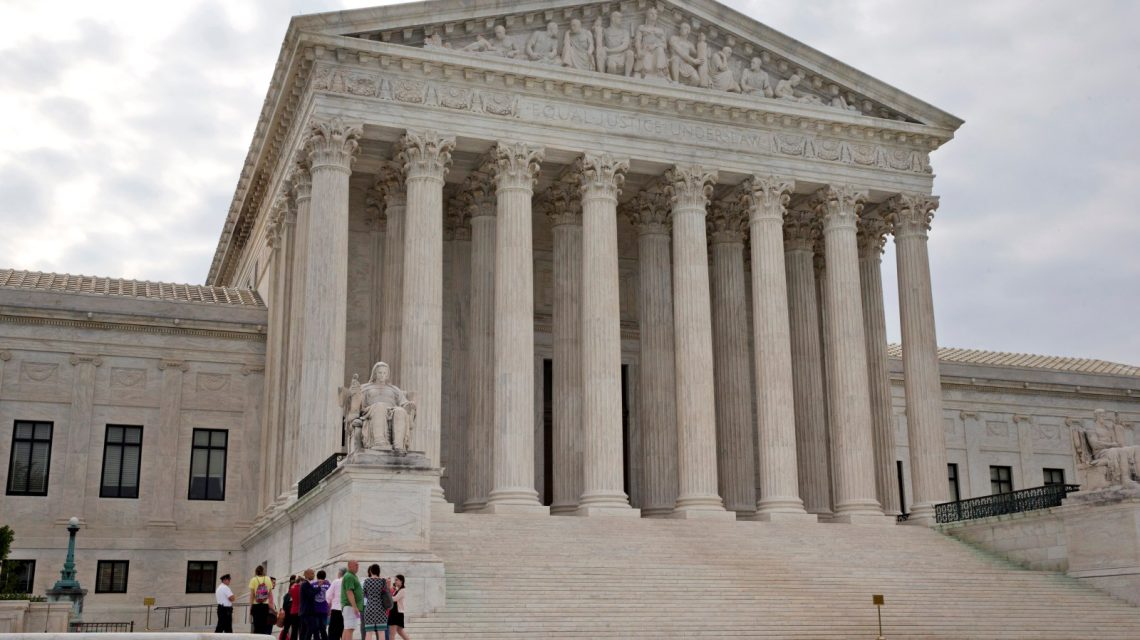
Supreme Court Ruling Overview
The U.S. Supreme Court ruled against Damon Landor, a Rastafarian inmate, in a decision impacting religious freedom protections for federal prisoners. The ruling, a 6-3 decision, denies Landor the ability to seek monetary damages from Louisiana prison officials under the Religious Land Use and Institutionalized Persons Act (RLUIPA).
Case Details
Landor alleged that his dreadlocks were forcibly shaved by prison officials despite informing them that his religious beliefs required uncut hair. He carried a federal court ruling recognizing similar religious protections, but officials allegedly ignored it. The Supreme Court focused on whether RLUIPA allows personal-capacity lawsuits against state employees, concluding it does not.
Justice Neil Gorsuch stated that liability under RLUIPA could only be imposed on parties that voluntarily accepted conditions attached to federal funding. While Louisiana’s prison system did so, individual officers did not, leading to the ruling that they cannot be personally liable for damages.
Dissent and Activists’ Reactions
Justice Ketanji Brown Jackson dissented, arguing the ruling leaves victims of religious-liberty violations without adequate remedies. Human rights activists criticized the decision, with ACLU’s Daniel Mach calling it a “devastating blow” to religious freedom for incarcerated individuals. The ACLU vowed to continue fighting for prisoners’ rights to practice their faith.
Contrasting Outcomes
The ruling diverges from other recent decisions by the court that favored religious claimants. Past cases during the COVID-19 pandemic and others involving public gatherings and employer accommodations showed a more religion-friendly approach.
Why Landor’s Case Differs
The distinction lies in the legal remedy source. Unlike other cases, Landor’s involved a statute under Congress’s Spending Clause power. The court focused on whether Congress clearly allowed personal-capacity lawsuits, concluding that it did not.
About Damon Landor
Landor is a devout Rastafarian who maintained a Nazarite vow for nearly 20 years. Only after being transferred to a new facility did the dispute over his dreadlocks arise. The incident deeply affected him, leading to litigation against Louisiana officials after his release.
Understanding Rastafarianism
Rastafarianism, originating in Jamaica in the 1930s, emphasizes spiritual freedom and African heritage. Followers often regard Haile Selassie I as spiritually significant. Dreadlocks are a key aspect of this faith, representing religious expression and identity.
 Rebuilding Trust Between Police and Communities in Chicago
  A Lifeline for Domestic Violence Survivors: Florida’s Hotline Support
  Dave Obelkevich: A Marathon Journey Through Dedication and Resilience
 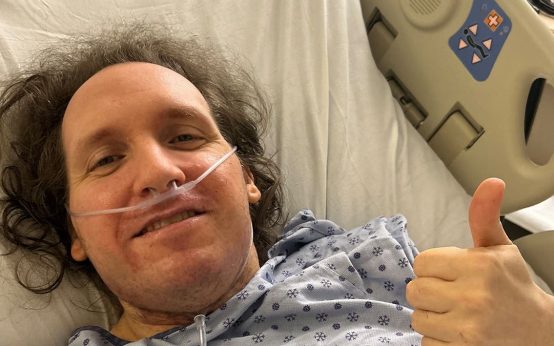 Roger Foley’s Quest for Self-Directed Care Amid Medical Assisted Death Discussions
  Delta Flight Diverted and Pittsburgh Penguins Incident: Medical Emergencies in the Air
 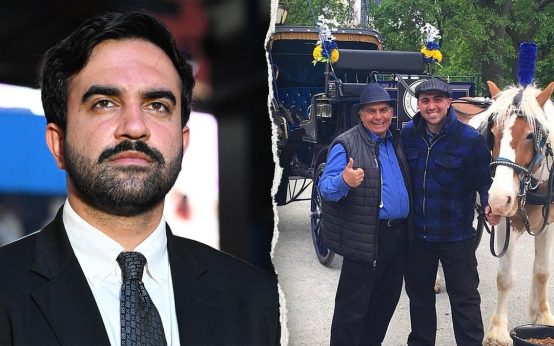 New York City Horse Carriage Industry Faces Uncertain Future