
Over 1,000 birds suffered death or injury after hitting buildings in the Chicago area during the recent fall migration. Most were collected in downtown Chicago and around Northwestern University’s Evanston campus, as reported by Chicago Bird Collision Monitors.
Volunteers expected migratory songbirds to travel south due to north winds, minimizing energy usage on their long journeys. The DuPage Wildlife Conservation Center received 274 birds from downtown Chicago on Saturday, with 60 more on Sunday. These birds spanned over 20 species, including golden-crowned kinglets and brown creepers.
Volunteer Jennifer Bell discovered birds falling frequently. She recovered 22 live but injured birds and 40 dead ones. This tragic event emphasizes the necessity of a Bird-Friendly Building Design Ordinance in Chicago. Such measures aim to prevent bird collisions by considering design choices and reducing light pollution.
Located along the Mississippi Flyway, Chicago poses dangers for migrating birds. On Friday night, over 5 million birds flew over Cook County, according to Cornell University’s Lab of Ornithology. This major route, used for thousands of years, is vital for safe passage, said Annette Prince, the collision monitors’ director. She advocates for Chicago to balance its architectural beauty with bird safety.
Estimates suggest a billion birds die annually by colliding with windows in the U.S. BirdCast noted around a billion birds flew over contiguous states that Friday night. Similar past events in early October 2023 led to 960 bird deaths at McCormick Place Lakeside Center, marking the highest recorded bird collision deaths then.
This issue isn’t limited to Chicago’s downtown or tall structures. Birds often strike any glass type in the first 100 feet above the ground, contributing to cumulative casualties, Annette Prince noted. Transparent or reflective glass deceives birds into thinking it is safe. Artificial night lights further disorient them.
In March, Ald. Maria Hadden introduced an ordinance for bird-friendly designs in non-residential and high-rise buildings. After leaving the rules committee, it’s currently under review in the zoning committee led by Ald. Gilbert Villegas.
Advocates argue bird-friendly buildings prevent unnecessary bird deaths, analogous to other safety features like smoke detectors. Opponents worry about impacts on development and construction costs. However, including bird-friendly materials from the start can minimally affect a budget, explained Annette Prince. Various design strategies, like patterned glass and screens, help birds recognize windows as barriers.
A significant reduction in bird collisions occurred after visible markers were applied to McCormick Place Lakeside Center’s windows. The convention center, notorious for lethal collisions, saw a drastic decrease in deaths after implementing these measures.
The city encourages buildings to join the Lights Out Chicago program since 1995, reducing night lighting during migration seasons. This approach proved successful in protecting many birds from disorientation due to city lights.
Prince emphasizes the urgency for bird-friendly building features. Delaying will only perpetuate the risk posed by non-compliant buildings, leaving lasting impacts. Rapid implementation ensures future developments provide safe passage for birds.
 First Offshore Mining Lease Sale by U.S. Government
 Unseasonal Warmth Delays Fall Foliage and Brings Impacts
 Illegal Marijuana Cultivation in Northern California
 Weather Predictions for Halloween and Thanksgiving
 U.N. Report Highlights U.S. Role in Rising Global Emissions
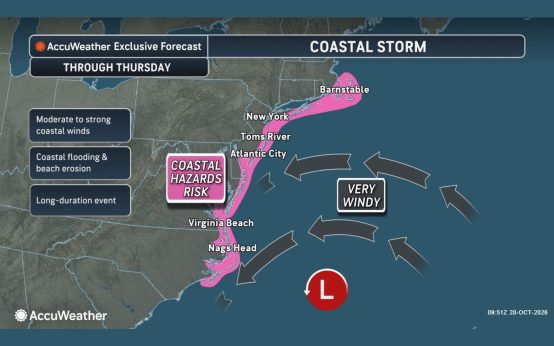 Nor’easter Threatens East Coast with Strong Winds and Coastal Hazards