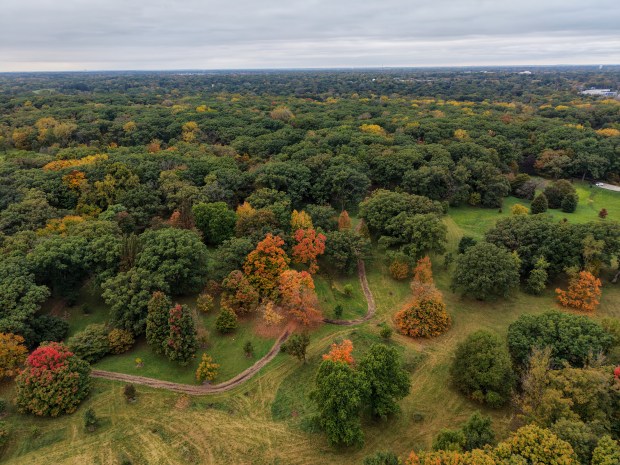
Janet Cole, a 75-year-old resident of Downers Grove, couldn’t resist capturing the vibrant beauty of an amur corktree at The Morton Arboretum. Despite already having an abundance of photos, she was drawn by the tree’s brilliant yellow leaves. A dedicated volunteer for six years, Cole enjoys diverse activities from pulling weeds to helping at events like wine tastings. She even cycles around the arboretum, answering visitors’ questions, weather permitting.
With temperatures remaining warmer than usual, the Midwest is experiencing a delay in leaf color changes. This unseasonable warmth brings concerns for plant health across the region and the Great Lakes’ ecosystems. According to the National Oceanic and Atmospheric Administration (NOAA), El Niño will likely continue causing above-average temperatures globally.
Impacts of El Niño
Trent Ford, Illinois state climatologist, mentioned that El Niños suggest warmer temperatures but not an increase in precipitation. From December to February, the Great Lakes region has a 70% chance of experiencing above-average temperatures. “This is about as close to a slam dunk prediction for winter as we can get,” Ford said.
Temperature affects when and how trees change color, said Michael Jesiolowski, plant clinic manager at The Morton Arboretum. Typically, leaves change as temperatures fall below freezing, around 32 degrees. Although low temperatures are now dropping into the 40s and high 30s, Chicago experienced a high of 88 degrees on October 12, breaking the previous record.
Normally, maples reach their peak color in mid-October, and oaks in late October, but this year, color change is delayed.
El Niño’s Mixed Effects on Agriculture
NOAA describes the El Niño-Southern Oscillation as a significant climate driver. This cycle includes a warmer phase called El Niño and a cooler phase known as La Niña. Experts predict a historic El Niño due to human-induced climate change.
El Niño’s impacts vary. While it might help alleviate drought, it could also cause pest and weed problems in agriculture. David Zaya from the Illinois Natural History Survey noted that El Niño years often see higher corn and soybean yields due to longer growing seasons. Kelly Estes from the University of Illinois warns that mild winters may allow more pests to survive, impacting crops like corn and soybeans.
Weed survival, such as horseweed, is another concern as they can withstand mild winters, potentially outcompeting crops.
Algal Blooms and Ecosystem Effects
Warmer temperatures affect aquatic life too. Increased harmful algae, which consume oxygen or clog fish gills, could become a problem in the Great Lakes. A study highlighted El Niño’s contribution to the rise in harmful algal blooms.
Casey Godwin from the University of Michigan explained that warm water spurs plankton growth, similar to compounding interest rates. Lake whitefish are also at risk as their eggs rely on ice cover for protection.
Gardening Advice Amid Climate Shifts
While other areas might face intense weather, the Midwest’s challenges are mild. Home gardeners should ensure deep weekly waterings to encourage root growth. Jesiolowski advocates using mulch and leaf litter to retain moisture. The “Leave the Leaves” approach helps conserve water in gardens.
Leaves are gradually changing at the arboretum, and volunteers like Cole find inspiration in their beauty. “It’s a distraction from events in the world,” she said.
 First Offshore Mining Lease Sale by U.S. Government
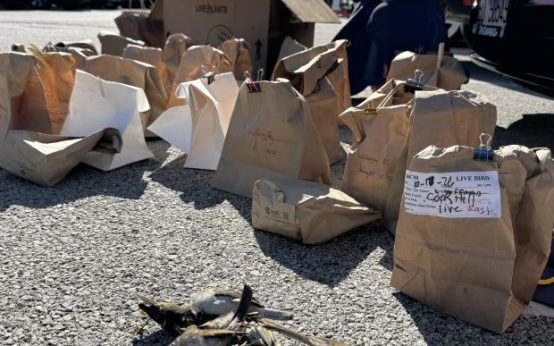 Bird Collisions Highlight Need for Bird-Friendly Measures in Chicago
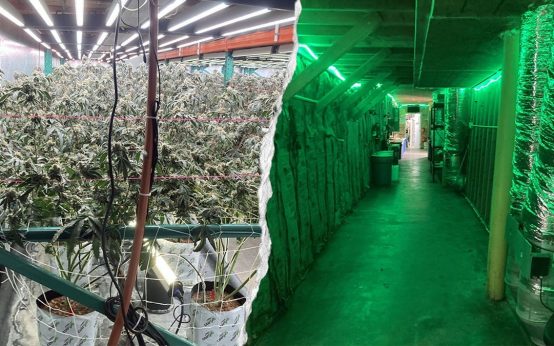 Illegal Marijuana Cultivation in Northern California
 Weather Predictions for Halloween and Thanksgiving
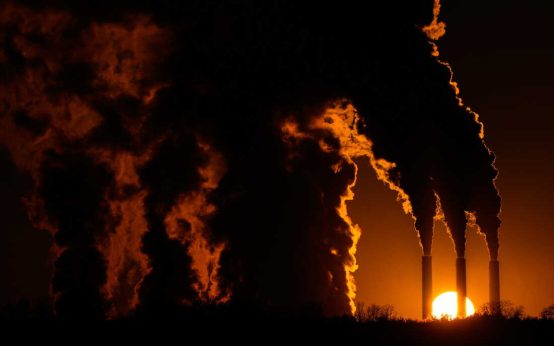 U.N. Report Highlights U.S. Role in Rising Global Emissions
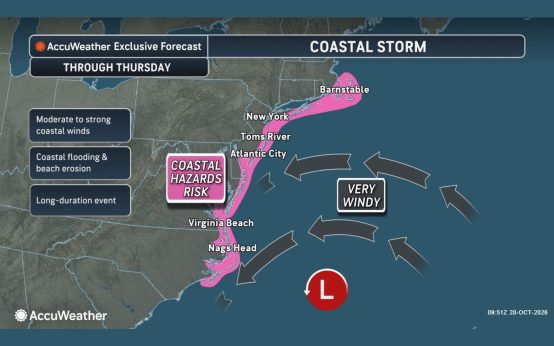 Nor’easter Threatens East Coast with Strong Winds and Coastal Hazards