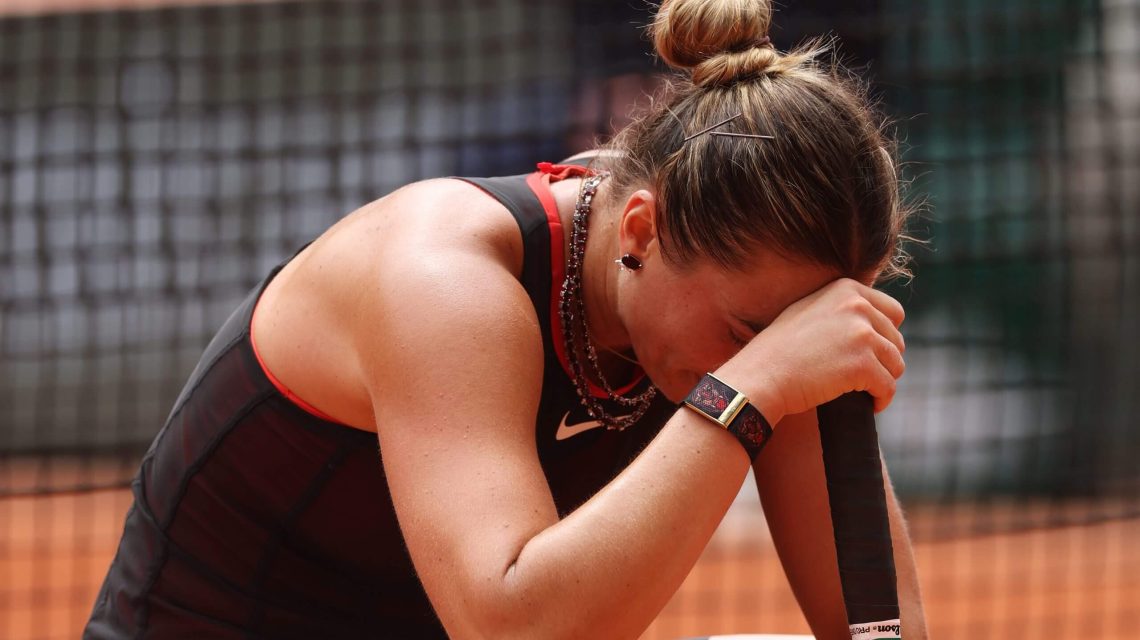
Aryna Sabalenka and her team have become accustomed to dealing with the aftermath of dramatic losses in Grand Slams. After her recent defeat by Diana Shnaider at the French Open, Sabalenka followed her usual routine. She composed herself for the media, then analyzed the situation with her trusted team. Despite being two points away from a win, she lost focus and the last 10 games, leaving her with strong emotions.
Sabalenka openly expressed her frustration in a news conference, stating, “Right now I just want to quit tennis.” However, with Wimbledon just over three weeks away, she and her team knew they needed to regroup quickly. They faced a similar situation after her collapse against Coco Gauff in the previous year’s French Open final.
Jason Stacy, her mental and physical coach, often reminds the team that such cycles are less frequent now compared to earlier in her career. “Now it very rarely happens,” he said. Stacy and Sabalenka’s team work through these challenges by revisiting familiar strategies.
After the French Open loss, a small group, including Stacy and coach Anton Dubrov, came together with Sabalenka to analyze what went wrong. They discussed her feelings before and during the match, potential overlooked signs, and areas for improvement. This evaluation process, while not definitive, helps them learn and prepare better for future matches.
Afterward, team members took short breaks. Sabalenka and her fiancé, Georgios Frangulis, visited Vienna. Dubrov reconnected with friends in Germany, while Stacy returned to his family in the Pacific Northwest. This time away allowed them to recharge for the challenges ahead.
Stacy emphasizes personal responsibility in Sabalenka’s journey, aligning with the teachings from his martial arts experience. It’s about loyalty, trust, and freedom. Meanwhile, Sabalenka appreciates an environment where she can express herself without fear. “We don’t make things dramatic. We don’t overthink everything,” she reflects in the foreword to Stacy’s upcoming book.
At Wimbledon, Sabalenka seemed to regain her form, winning her first match comfortably. Stacy claims that loyalty signifies staying true to one’s values rather than seeking quick fixes. Sabalenka, now 28, resonates with this approach, acknowledging imperfections but prioritizing trust and collaboration over panic.
Sabalenka also rekindled her relationship with a former psychologist for additional support. This step highlights the importance of feeling safe when discussing sensitive topics.
Her previous emotional outbursts in losses, like during the French Open, also show her learning curve. An apology followed her previous negative comments about Coco Gauff, demonstrating her evolving professionalism.
Sabalenka faced recent defeats yet found success too, suggesting a pattern of ups and downs common in sports. Her team persists with long-term support, avoiding impulsive changes. Consistent performance remains a priority amidst physical challenges like hip and back issues, which require careful management.
Stability within her team is crucial. With Dubrov coaching for five years and Murawska involved since 2023, Sabalenka trusts her support system. “There’s nothing to reinvent right now,” explains Stacy. Their approach remains clear—evolve without drastic changes or panic, focusing on proven patterns.
 Indianapolis Colts Face Challenges After Loss to Chiefs and Alec Pierce’s Injury
  Indianapolis Colts Face Challenges with Alec Pierce’s Injury and New Signing
  Oregon Ducks Overcome Setback with Big Victory but Face Challenges Ahead
  Lane Kiffin’s Return to Oxford Brings Mixed Feelings
 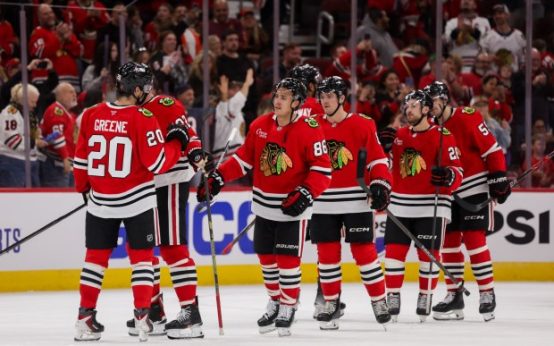 Chicago Blackhawks Triumph in Overtime Against Minnesota Wild
  Giants’ Season Takes a Hit with Jaxson Dart’s Injury against Rams