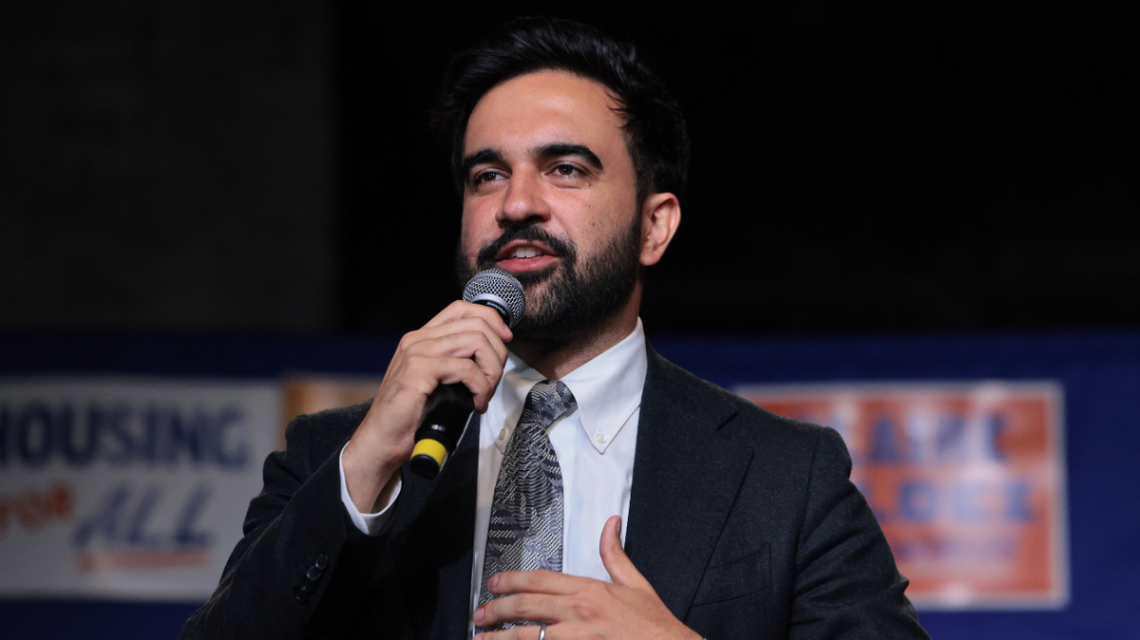
Arpit Gupta, a member of New York City’s Rent Guidelines Board (RGB), opposes the rent freeze policy. He expressed concerns to Fox News Digital that this policy could lead to older rent-stabilized buildings falling into disrepair. His argument is that landlords might lack the necessary revenue for essential capital improvements.
Gupta pointed out that Mayor Zohran Mamdani’s campaign promise of a rent freeze could significantly affect landlords. He highlighted the risk of increased financial distress leading to deferred maintenance, adding that neglected buildings could fall further into disrepair.
“There are a variety of responses. One is deferred maintenance, which will worsen the physical conditions of buildings,” Gupta stated.
Gupta fears that other financial issues, such as falling behind on mortgage payments, insurance, and property taxes, could arise. This might result in ownership transferring to banks or the city due to tax lien sales.
RGB Chair Chantella Mitchell acknowledged the increasing costs landlords face, like property tax and insurance. She argued that many landlords can still meet these rising expenses. However, Gupta contends that older buildings relying entirely on regulated rent suffer more than newer properties.
The current freeze affects approximately one million rent-stabilized apartments, covering one- and two-year leases from October 1, 2026, to September 30, 2027. Under this measure, landlords may have to wait until September 2029 to legally raise rents.
Gupta believes the freeze is a blunt tool in addressing the affordability crisis. He recommends targeted aid to tenants in need while allowing financially strained buildings to increase rents to cover costs.
“About 30% of the tenants in rent-stabilized housing make six figures or more,” Gupta said. “Meanwhile, many in market-rate housing live below the poverty line.” This discrepancy suggests a need for expanding relief measures beyond rent-stabilized tenants, according to Gupta.
The rent freeze might also incentivize landlords to leave units vacant. Data from April 2025 indicated over 57,000 vacant stabilized apartments. Gupta believes this number, partly resulting from landlords unable to recoup rehabilitation costs, could increase due to the freeze.
The 2019 Housing Stability and Tenant Protection Act eliminated a vacancy bonus, which previously allowed rent increases up to 20% after a tenant left. Gupta notes that this change has impacted landlords’ ability to recover renovation costs.
Gupta explained that the RGB has historically set rents below various economic growth metrics, including building cost increases, Consumer Price Index (CPI), and wage growth in New York City. Despite the freeze, city spending on covering tenants’ back rent rose sharply from $102 million in 2022 to $555.8 million in 2025.
While Gupta disagrees with the current policy, he believes the vote outcome was not predetermined. Mamdani reshaped the board by appointing six of the nine current members, all of whom supported the freeze. Gupta emphasized that board members were not pressured about their stance on the rent freeze during the selection process.
“I’m not sure whether all the board members believe that’s the future, or if maybe the future is just more freezes,” Gupta remarked, indicating concern over potential policy continuity.
Gupta’s co-appointee, Christina Smyth, resigned, criticizing the board’s restructuring. She claimed the board was compelled to implement the freeze.
Gupta remains concerned about the longevity of the freeze under Mamdani’s administration, fearing continuous freezes extending beyond reasonable necessity.
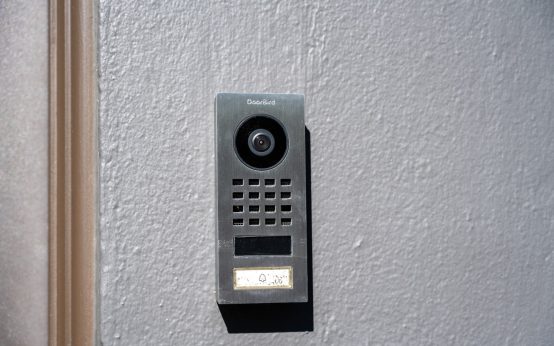 Smart-Home Tech and Buyer Surveillance in Real Estate
 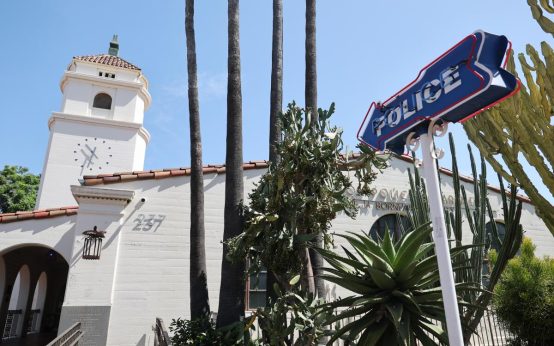 Online Rental Scams Exploit Desperate Renters in California
 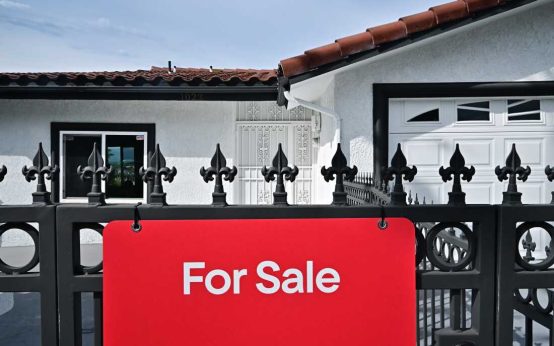 Rising Mortgage Rates and Economic Uncertainty Challenge Homebuyers
  U.S. Mortgage Rates See Fourth Consecutive Increase
  Federal Reserve Holds Interest Rates Steady Amid Rising Mortgage Rates
  Navigating Potential Changes in Mortgage Rates for Fall 2026