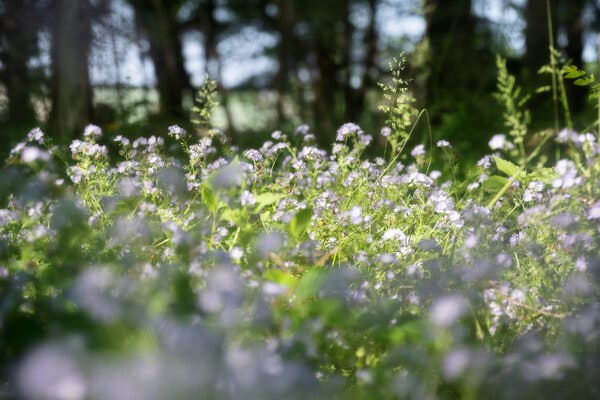
In the summer of 2020, a couple purchased a house in Portland, Oregon, with a backyard that was a blank slate. Where many might see a dying lawn, they saw a canvas for their ideal garden. They removed the remnants of the lawn and began planning their dream garden.
Their vision balanced beauty with functionality, aiming for a garden full of fruits, vegetables, and flowers while conserving resources and providing habitat for wildlife. They planted drought-tolerant perennials like lavender and sea holly alongside favorites requiring more care, such as dahlias. They added a pond and bog, laid a flagstone path, espaliered fruit trees, and built raised vegetable beds. A compost bin and drip irrigation completed their sustainable setup.
Within two years, the once barren space became a thriving and vibrant ecosystem. Insects flocked to the area first, including a variety of bees such as metallic blue mason bees and glittering green sweat bees. Dragonflies, butterflies, and beetles followed. Larger animals like birds, mice, and raccoons soon made appearances, turning the garden into a dynamic habitat.
Despite initial confidence in their garden’s ecological benefits, the couple faced a challenge. They noticed a prevailing emphasis among wildlife gardeners on native plants. Native species have long evolved in their respective regions and form beneficial relationships within their ecosystems. Native plant enthusiasts argue that these species are superior in supporting wildlife and ecosystem integrity compared to foreign introductions.
The discussion around native plants is significant in the world of gardening. It underscores the importance of understanding plant origins and their roles within local environments, thus raising questions about gardening practices and ecological stewardship.
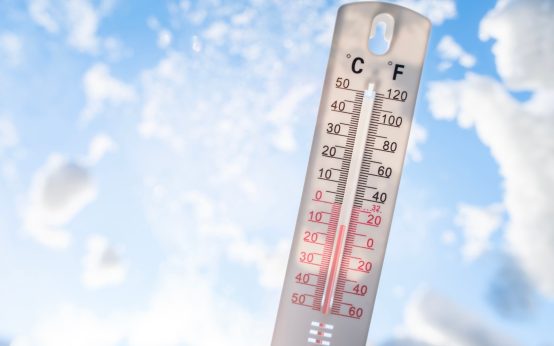 Cold Weather Alerts and El Niño Influence
 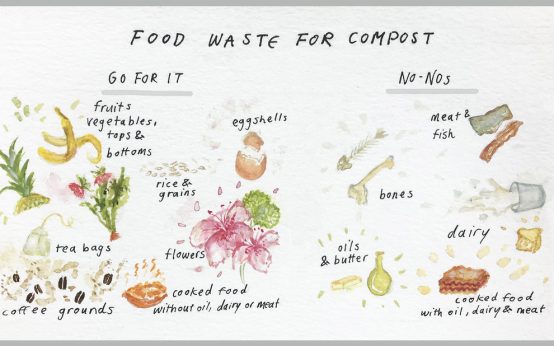 Turning Home Food Waste into Compost: A Guide
  Chicagohenge: When Sunlight Aligns with City Streets
 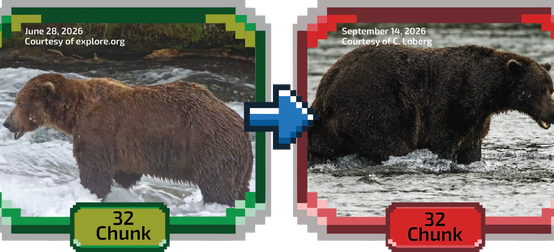 Fat Bear Week 2026: A Look at the Contest and Its Competitors
  California Governor Declares Statewide Emergency Ahead of El Niño Storms
  EPA Rollbacks and the Impact on Indiana Communities