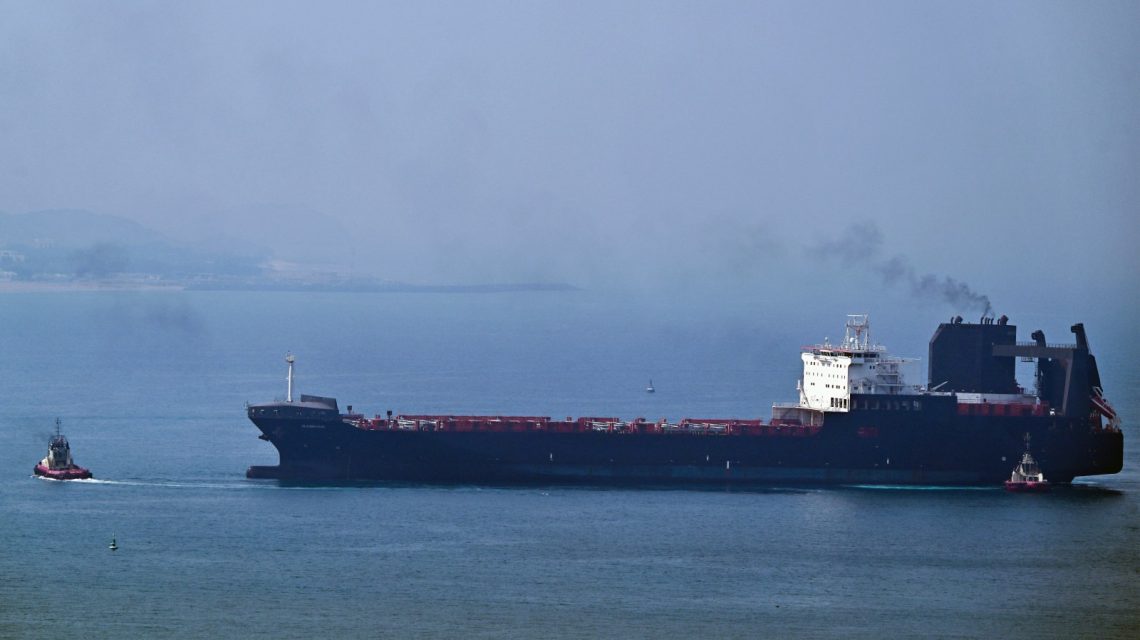
The U.S. military announced new strikes on Wednesday, aiming to limit Iranian forces’ capacity to target commercial vessels in the Strait of Hormuz. This escalation near a vital waterway has led oil exporters to seek other transport routes. Traditionally, the strait has been key, handling one-fifth of global hydrocarbons transit. However, disruptions like Iran’s closure, a U.S. blockade, and a crumbling truce prompt Gulf nations to explore alternatives for shipping commodities.
Major shipping operators have established overland routes to help alleviate the backlog around the strait, while Gulf states are preparing longer term strategies, such as new pipeline and port development projects,
said Tamsin Hunt, a senior analyst at security firm S-RM, in an interview with Newsweek.
Bypassing the Strait of Hormuz
The International Maritime Organization (IMO) declared the Strait of Hormuz hazardous for commercial navigation. They launched an evacuation program for seafarers trapped there. Gulf countries are responding to these risks. The United Arab Emirates (UAE) plans to construct a new port and terminal on the east coast, reducing reliance on Jebel Ali port. This development was reported by CNBC and the Financial Times, featuring Dubai-based DP World’s intentions to advance the port in Fujairah.
UAE also employs tankers to move oil from within Hormuz to outside waters for transfer to larger vessels heading to Asia, as noted by Andy Lipow of Lipow Oil Associates.
Saudi Arabia’s Pipeline Strategy
Hapag-Lloyd’s spokesperson, Leon Schulz, confirmed that recent tensions haven’t impacted their operations, having rerouted their network away from the strait. The company employs alternative routes via ports like Salalah, Jeddah, and Sharjah, using various transport connections. Schulz acknowledged these alternatives are more complex and less efficient.
Saudi Arabia diverts roughly four million barrels of oil daily using a 750-mile pipeline to Yanbu on the Red Sea, loading it onto tankers. Still, this route faces risks such as potential attacks near the Bab el-Mandeb Strait, which Iranian-backed Houthis could target, disrupting supplies.
Current pipelines can’t fully replace the Strait of Hormuz, with countries like Kuwait and Iraq heavily reliant on it. Hunt remarked that despite reduced US-Iran tensions in the prior MOU, shipping via Hormuz lagged due to security fears and the slow adaptation of schedules.
Pursuing Long-Term Solutions
Developing infrastructure to lessen dependence on the Strait of Hormuz is a lengthy process. Iraq’s Oil Minister, Bassem Mohammed Khudair, discussed a U.S.-supported strategy for route diversification with firms like Chevron. Possible projects involve routes connecting Basra to various destinations, though analyst Yörük Işık suggests this redirection could exceed a decade.
Saudi investments may focus on Red Sea ports, domestic railways, and highways. UAE plans extensive investments in Fujairah, shifting entry from the Persian Gulf to the Sea of Oman. Işık advised potential property buyers to consider Fujairah for returns, rather than Dubai.
 Trump’s Approach to Iran at the United Nations
 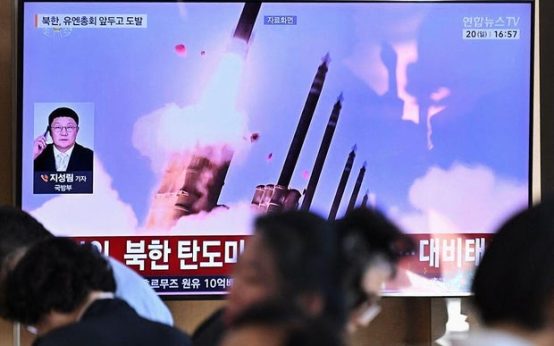 North Korea’s Missile Launches Escalate Tensions
 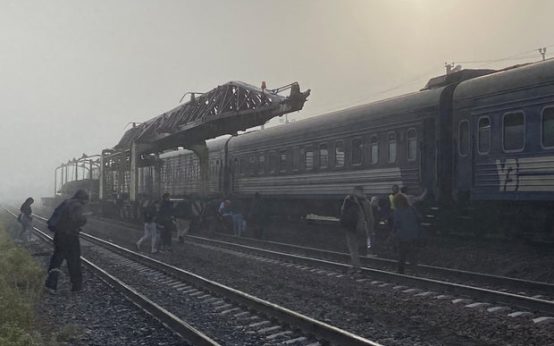 U.S. Plans for Permanent Army Base in Poland Amid Tensions with Russia
  Berlin’s Mayoral Race: A Candidate Inspired by New York Leadership
  Cuba Faces Sixth Power Grid Collapse Amid U.S. Fuel Blockade
  Daring U.S. Rescue Mission in Iran