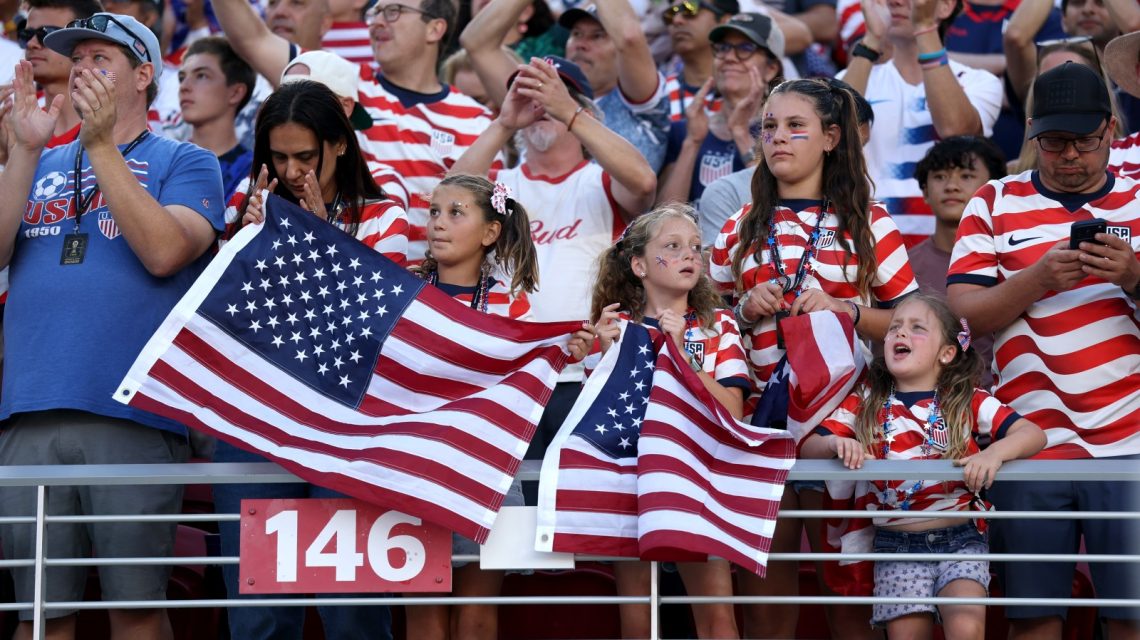
The FIFA World Cup has drawn to a close in the United States, captivating millions of fans from across the globe. The atmosphere was vibrant, fueled by the presence of countless spectators passionate about soccer. For many enthusiasts, this event marks a significant celebration, 32 years since the last World Cup on American soil. Yet, amid the excitement, one crucial question arises: what legacy does this event leave for children who cannot afford the luxury of attending?
Impact on Communities
Major sporting events typically benefit communities that are already prospering. Infrastructure developments are concentrated in downtown areas and tourist zones. Economic activity remains centralized around hotels, restaurants, and stadiums in neighborhoods that already thrive. Unfortunately, this economic boost rarely extends to areas that need it most. Tickets to events remain out of reach for the majority of Americans, even those living close by.
For underserved communities, the World Cup can seem like a distant celebration, something they contributed to but were unable to experience. These areas are significantly more likely to lack recreational facilities than wealthier regions. It is problematic when families face steep expenses, such as $3,000, for a child to participate in a handful of soccer games. Soccer, ideally, should be accessible to all.
Investing in Access
Real investment is essential to ensure that children who have never had the opportunity to play can engage in the sport. The U.S. Soccer Foundation emerged as a key legacy of the 1994 World Cup, focused on expanding the game in underserved communities. Following 1994, youth soccer registration in the U.S. surged from one million to over three million players by 2006.
Soccer offers children more than just physical activity. On mini-pitches, they learn teamwork, conflict resolution, leadership, and resilience. Programs that develop youth through sports enhance not only physical health but also social and emotional well-being, academic involvement, and long-term outcomes.
Seeing firsthand the difference access makes, my family has partnered with the U.S. Soccer Foundation to establish mini-pitches in Laredo and Austin, Texas. These spaces quickly became community hubs, providing needed facilities for local children. The U.S. Soccer Foundation has already built over 850 mini-pitches nationwide, aiming for 1,000 by 2026. As a result, around 6.5 million children now live within easy reach of a soccer field.
The Importance of Continued Support
Despite these advances, challenges remain. Without efforts to expand access in underserved communities, the World Cup would miss a crucial opportunity. Recognizing this, leaders like New York Governor Kathy Hochul have initiated programs such as the $6 million NY Kicks initiative, using World Cup momentum to fund community soccer fields in disadvantaged areas. In Houston, the FREEKICKS Soccer program builds and refurbishes fields while offering scholarships to children unable to afford playing fees.
At the federal level, bipartisan efforts are underway to enhance youth sports facilities. This model should be embraced by all host cities and leaders. As the tournament ends, the urgency to impact its legacy is immediate. Corporations, philanthropists, and policymakers should direct World Cup investments to communities without hosting opportunities yet deserving of this moment.
Soccer’s most profound legacy is not in stadiums, but in empowering forgotten children in every neighborhood.
Carlos Zaffirini serves on the board of the U.S. Soccer Foundation, a non-profit organization committed to providing underserved communities with access to soccer and fostering youth development.
 A Family’s Journey Through Cancer and Loss
  Ronald Acuna Jr. Suffers Injury During Game Against Cincinnati Reds
  Joe Burrow’s Unexpected Post-Game Recovery
  Rangers Place Players on Waivers Ahead of Season Opener
  Cubs Face Crucial Pitching Decisions Amid Wild Card Race
 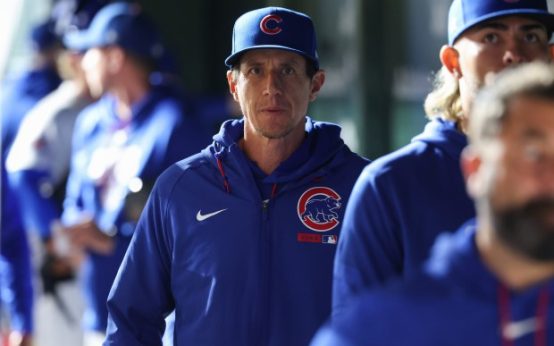 Chicago Cubs vs. Miami Marlins: 12-Inning Game Recap