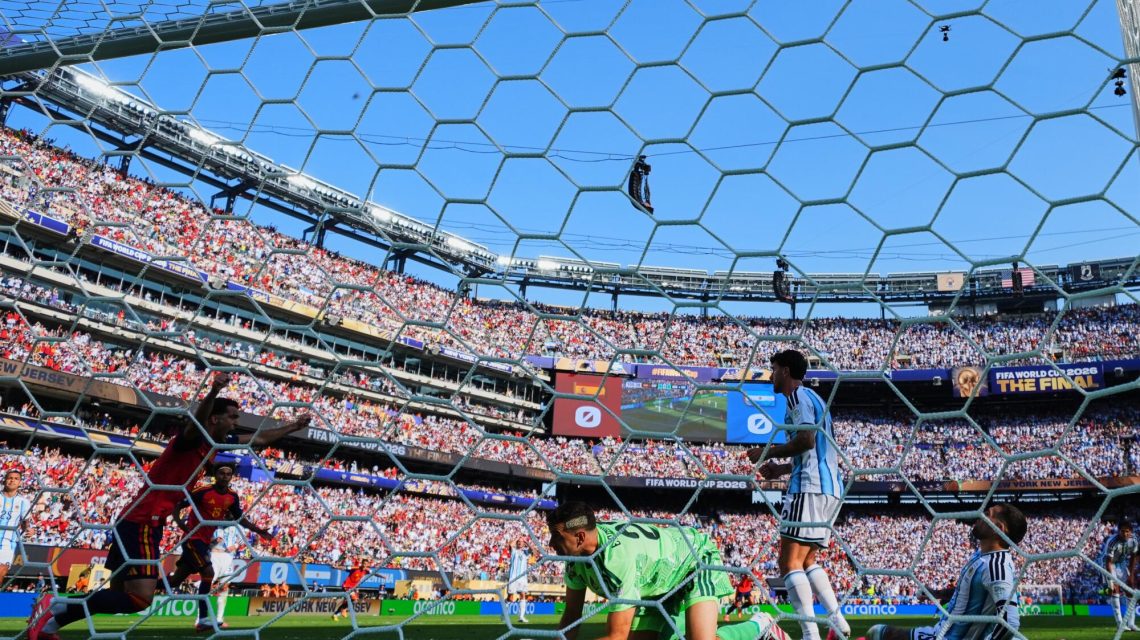
The World Cup concluded in East Rutherford, N.J., with Spain defeating Argentina 1-0 in extra time. Gianni Infantino, FIFA’s president, praised the tournament as exceptional. Prior to the final, at a reception in Trump Tower, he described it as the greatest human event witnessed.
FIFA emerged with great success, strengthening Infantino’s position within the organization despite some controversial decisions. Attendance reached a record 6.8 million, averaging over 65,000 fans per game. The global TV audience is estimated to have surpassed 5 billion, with 1.8 billion expected to watch the final. Revenue from the World Cup cycle could hit $13 billion, supporting Infantino’s case for reelection.
Ticket prices for the final soared, with averages around $10,800 and a peak sale of $32,502. Inglewood’s SoFi Stadium hosted notable matches, including Spain’s win over Belgium, with 99.6% attendance capacity.
Weather disruptions were minimal despite initial fears, and logistical challenges of hosting in the US, Mexico, and Canada didn’t materialize. The expansion to 48 teams brought unexpected excitement and surprises.
Cape Verde impressed in its debut, drawing with Spain and taking Argentina to extra time. Norway reached the quarterfinals, with striker Erling Haaland becoming a fan favorite. Canada and Egypt secured historic wins, advancing to the Round of 16. Africa had a noteworthy performance, second only to Europe.
Argentina’s Lionel Messi, playing in his record-setting sixth tournament, dominated the statistics with 34 games, 12 assists, and 33 goal contributions. Although unable to secure a second consecutive World Cup victory, his legacy remains unmatched.
The World Cup was marked by political tensions, notably between the US and Iran. Visa issues forced Iran’s camp relocation from Tucson to Tijuana. Despite challenges, Iran’s team remained undefeated, drawing all matches but missing the knockout round due to overturned goals.
Video Assistant Referee (VAR) technology drew criticism for interfering with matches. It led to controversies such as Croatia’s elimination and Egypt’s disallowed victory, raising concerns about overruling human judgment.
President Trump influenced the rescinding of a red card for Folarin Balogun after contacting Infantino. This unprecedented decision drew protests and highlighted political interference.
Infantino’s actions, such as banning officials and team access, could set perilous precedents for future World Cups. Despite controversies, financial success bolsters Infantino’s re-election support from FIFA members.
Spain claimed victory, but FIFA also emerged positively from the tournament.
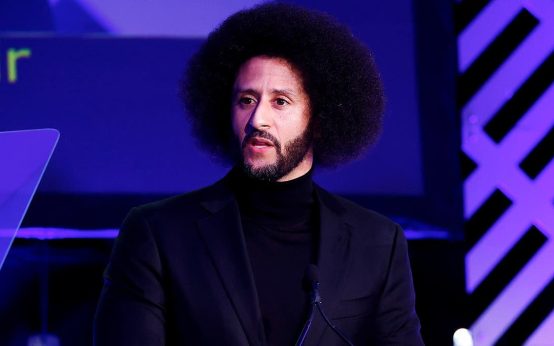 Criticism of Kaepernick’s NFL Draft Comparison
  Sports, Fashion, and Hunting: Latest Highlights
 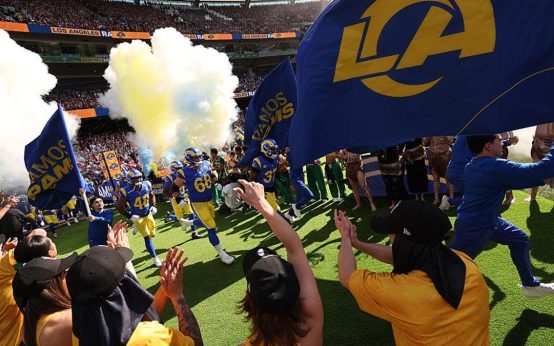 Los Angeles Rams Regain Momentum After Overcoming Australian Setback
 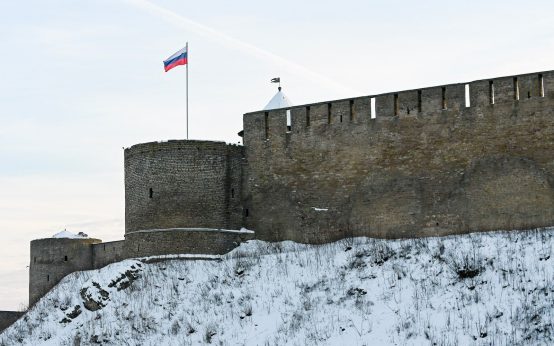 Russia’s Potential Incursion Into Estonia: NATO’s Resilience Under Scrutiny
  Senators Urge Action to Free Imprisoned Journalist in Iran
 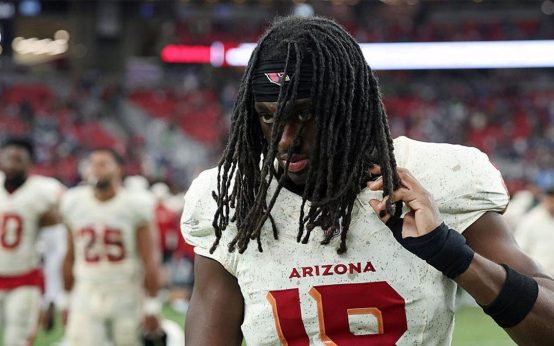 Marvin Harrison Jr. Faces Challenges in 2026 NFL Season